

Word puzzles have quietly taken over daily routines for millions of people around the world. What used to be a quick crossword habit has turned into something much bigger, with new-style word games attracting players of every age group. Among all of these games, NYT Connections stands out as one of the most talked-about puzzles online today.
Every single day, players sit down, open the puzzle, and try to solve it before checking anywhere else. But when the grid feels impossible, many of them turn to outside help, and that is exactly where Connections Forbes hints come into the picture.
This guide explains everything about Connections Forbes, how the hints are structured, why so many people rely on them, and how you can use them the smart way without ruining the fun of the game. Whether you are a total beginner or someone who solves the puzzle every single morning, this article will help you understand the game on a much deeper level.
By the end of this guide, you will know exactly how to read hints, how to think about tricky categories, and how to slowly turn yourself into a faster, sharper Connections player.
What Is Connections Forbes?

Connections Forbes refers to the daily hint coverage that Forbes provides for the New York Times Connections puzzle. It gives players clues, category hints, and full answers without forcing them to search through multiple confusing websites.
The idea behind Connections Forbes is simple. Players get stuck on tricky puzzles almost every day, and they want quick, reliable help from a source they can trust. Forbes breaks the puzzle down step by step so people can get just enough help without spoiling the entire game in one glance.
Many puzzle fans check Connections Forbes daily as part of their morning routine, right alongside their coffee, their news updates, and their social media scroll. It has become less of a random search and more of a habit.
This daily habit also creates a small sense of togetherness among players. Friends compare their solving times, share their results, and sometimes argue over which category was the trickiest that day. Hint articles feed into this culture by giving everyone a shared reference point.
see also: SFM Compile Guide: From Raw Model to Working SFM File (2026)
Understanding the NYT Connections Game
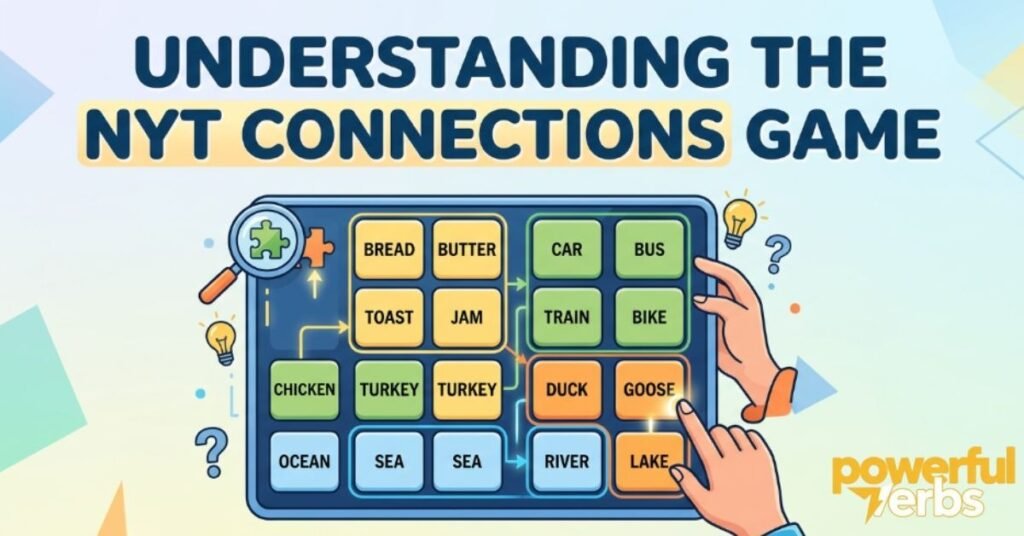
NYT Connections is a puzzle game developed and published by The New York Times. Players are given sixteen words arranged in a simple four-by-four grid. The main goal is to sort these words into four hidden groups of four.
Each group shares a secret connection. It could be a theme, a category, or a clever wordplay trick. The tricky part is that some words seem to fit into more than one group at first glance, which is exactly what makes the puzzle so addictive.
The puzzle uses four difficulty levels, usually shown through color coding:
- Yellow for the easiest group, often the most obvious theme
- Green for a straightforward group that takes a little more thought
- Blue for a trickier group with less obvious connections
- Purple for the hardest and most puzzling group of all
Purple groups often rely on wordplay, hidden meanings, or unusual connections that are not obvious right away. Many players say the purple category is the real test of the puzzle, since it usually requires thinking outside the box completely.
Unlike crosswords, Connections does not test spelling or vocabulary directly. Instead, it tests pattern recognition, logic, and the ability to notice small details that others might miss.
Why “Forbes NYT Connections Hint Today” Is Such a Common Search
Connections is designed to be tricky on purpose. The puzzle creators want players to think carefully, and sometimes that thinking takes far longer than expected, especially on a busy morning.
This is exactly why people search daily for outside help. They want a nudge in the right direction without losing the fun of solving the puzzle themselves. Nobody wants to feel completely stuck, but very few people want the answer handed to them immediately either.
Step 1: Difficulty Overview
Most hint articles start by telling players how hard the puzzle is that day. This helps set expectations before diving into anything specific, so players know whether to expect a quick win or a longer struggle.
Step 2: Category Hints
Next comes a general clue about each category. These hints point players toward the theme without naming the exact words, which keeps a bit of mystery alive while still offering real direction.
Step 3: Full Answers
Finally, the complete answer key is shared for players who are completely stuck or simply want to double-check their solution after finishing on their own.
Why Forbes Connections Today Is So Popular

Forbes is a trusted name, and that trust carries over into its puzzle coverage. People like getting hints from a source they already recognize and rely on for other types of news and information.
Another reason for its popularity is consistency. Forbes publishes hints every single day without fail, so players know they can count on finding help whenever they need it, even on weekends and holidays.
The format also matters a great deal. Clear, organized hints make it easy for readers to find exactly the level of help they want, whether that is a small nudge or the full solution laid out plainly.
Speed is another factor. Many readers check hint articles during short breaks, so a well-organized structure that gets straight to the point tends to keep readers coming back day after day.
How Forbes Connections Hints Are Organized
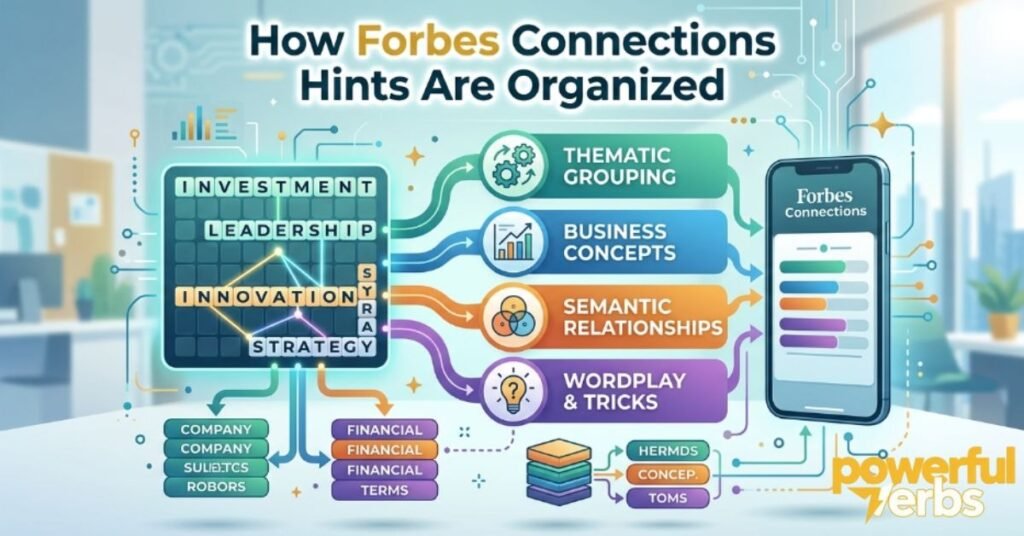
A good hint article does not just dump answers on the reader all at once. It builds up gradually so players can choose exactly how much help they actually want at any given moment.
General Advice
This section usually includes simple tips, like thinking about wordplay or double meanings, before diving into anything specific about that day’s puzzle.
Category Clues
These are short hints that describe the theme of each group without spelling out the actual words, giving just enough direction to keep thinking active.
Category Names
At this stage, the actual theme names are revealed, giving players a much clearer direction toward the final solution.
Final Answers
The last section shares the complete solution, perfect for players who want to confirm their guesses or have simply run out of time to keep guessing.
How Daily Connections Hints Help Different Types of Players
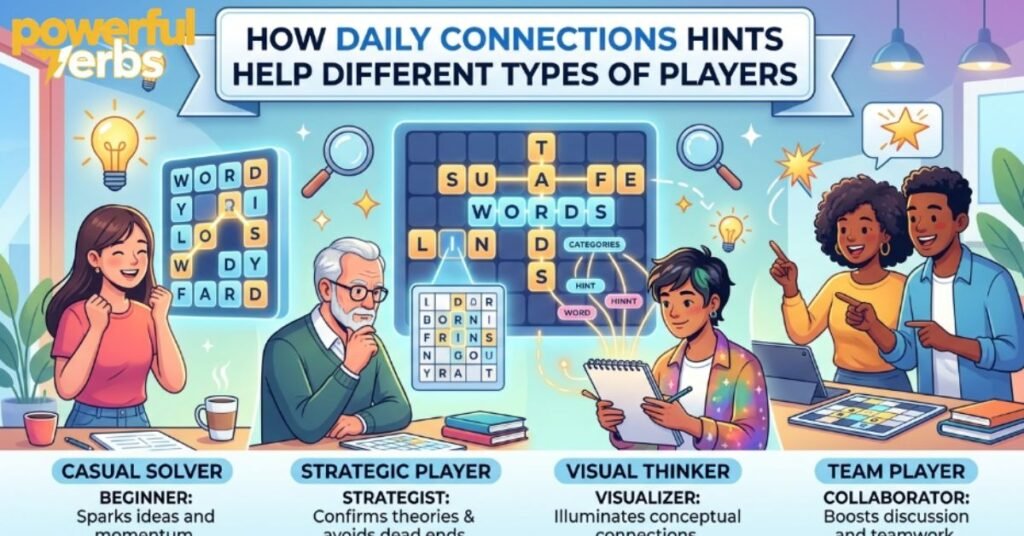
Not every player uses hints the same way. Some want just a small push, while others want the full answer right away, and both approaches are perfectly valid.
Beginners Looking for Extra Help
New players often feel overwhelmed by tricky wordplay and unfamiliar puzzle logic. Hints help them understand how the game actually works, which makes future puzzles feel much easier over time.
Regular Players Checking Their Progress
Daily players sometimes just want to confirm they are on the right track before locking in their final guesses, especially when a streak is on the line.
Experienced Players Verifying Difficult Groups
Even skilled solvers get stuck on purple categories sometimes. Hints help confirm tricky answers without giving away the whole puzzle instantly, which keeps the challenge mostly intact.
Best Ways to Use Connections Hint Forbes Articles
Getting the most out of a hint article means using it thoughtfully instead of jumping straight to the answers the moment you open the page.
- Read the general hint first before checking anything specific.
- Try a few guesses on your own before looking further into the article.
- Use category clues only when truly stuck on a particular group.
- Save full answers as a last resort after trying everything else.
- Take a short break if frustration starts building up.
Try Solving Independently First
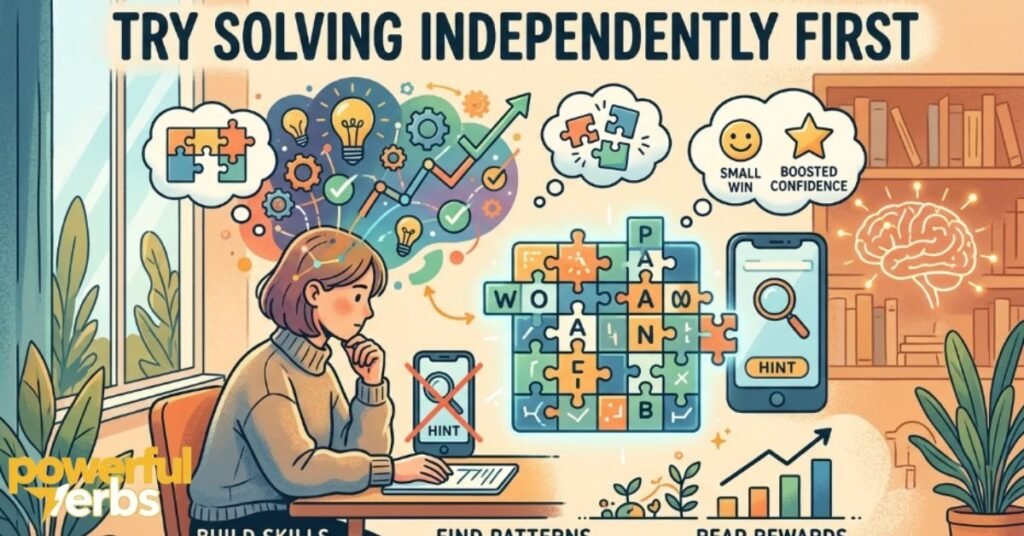
Before checking any hints, it helps to spend a few minutes solving on your own. This keeps the puzzle fun and builds your problem-solving skills over time in a way that jumping straight to answers never will.
Even getting one group right on your own feels rewarding and boosts confidence for the next puzzle. That small win often carries into the rest of the grid, making the remaining groups easier to spot.
Independent solving also trains your brain to notice patterns faster over time, which pays off in future puzzles far beyond just that single day.
Reveal Only One Hint at a Time
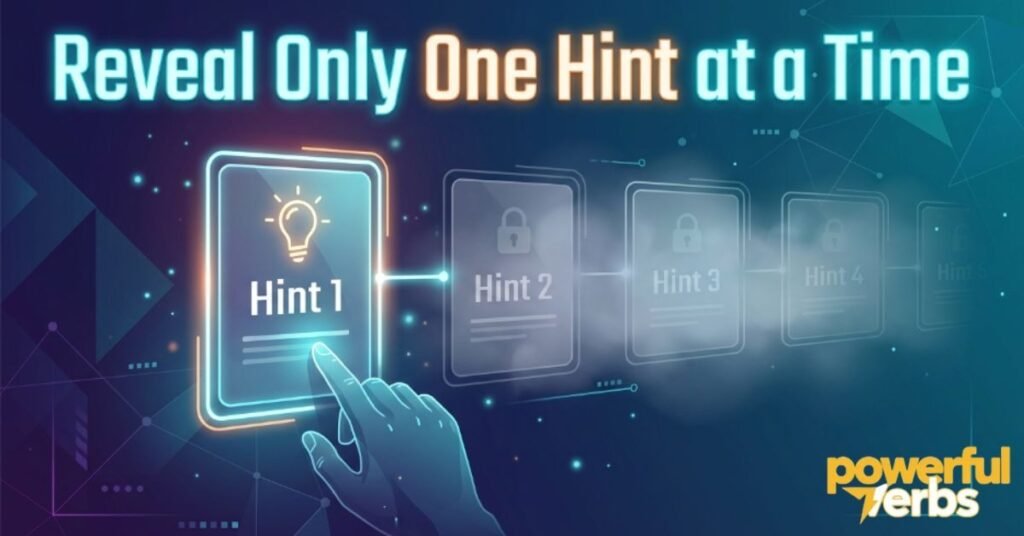
Instead of reading the entire hint article at once, try revealing just one clue at a time. This keeps the challenge alive while still giving you support whenever you truly need it.
This method works especially well for players who enjoy the mental workout the puzzle offers but still want a safety net in case they get completely stuck.
Pacing yourself this way also makes the final win feel more satisfying, since you know you worked through most of the puzzle using your own thinking.
Think About Multiple Meanings
Many Connections puzzles rely on words that have more than one meaning. A word that seems to fit an obvious category might actually belong somewhere completely different once you consider its other meanings.
Taking a moment to think about alternate meanings often reveals the trick behind a tough puzzle. This single habit alone can dramatically improve your solving speed over time.
Try asking yourself if a word could be a verb instead of a noun, or if it has a slang meaning that fits a hidden theme better than the obvious one.
How to Use Hints Without Losing the Challenge
Hints are meant to support your thinking, not replace it completely. Using them wisely keeps the game enjoyable instead of turning it into a simple copy-paste exercise.
Use Hints as Guidance, Not Immediate Answers
Treat each hint as a starting point. Let it guide your thinking rather than handing you the solution right away, so your brain still does most of the work.
Stop Before Revealing the Full Solution
Try to stop at the category clue stage if possible. This still lets you solve the puzzle mostly on your own while getting just enough support to avoid frustration.
Return to the Puzzle With Fresh Eyes
If the puzzle isn’t clicking, pause for a bit before coming back to it. Coming back with a clear mind often makes the answer much easier to spot than staring at the same grid for too long.
Common Themes Found in Forbes Connections Clues

Connections puzzles often repeat certain types of themes, even though the exact words change daily. Recognizing these patterns ahead of time gives players a real advantage.
| Theme Type | Example Style | Difficulty Level |
| Wordplay groups | Words that sound like other words | Usually hard |
| Category-based groups | Items that belong to the same group, like fruits or colors | Usually easy |
| Hidden word groups | A smaller word hidden inside a longer word | Medium to hard |
| Pop culture references | Movies, shows, or well-known phrases | Medium |
| Compound word groups | Terms that share a common word attached at the end | Medium to hard |
Recognizing these common patterns can make future puzzles significantly easier to crack, even before reading any hints at all.
Tips for Solving NYT Connections Faster
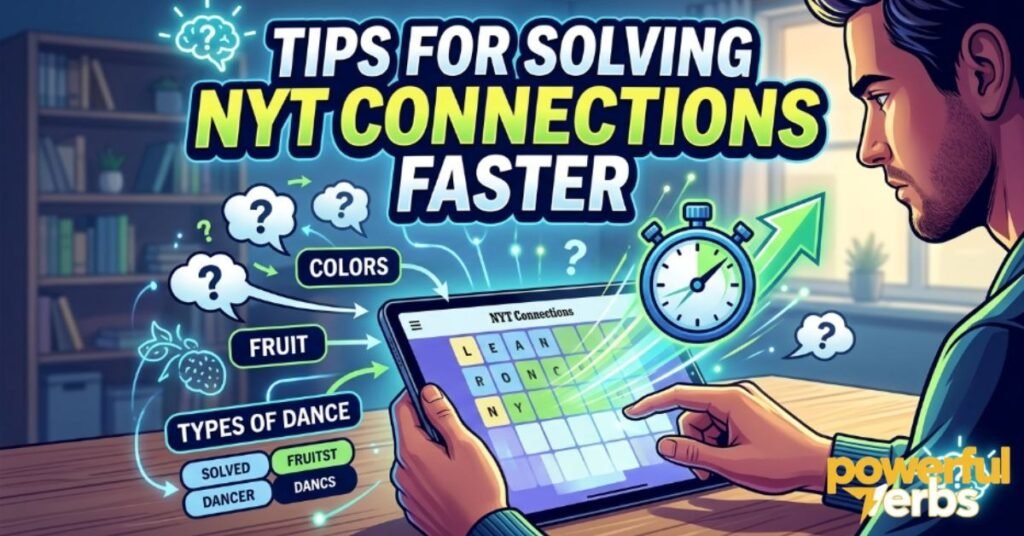
A few simple strategies can speed up your solving time significantly, especially once they become second nature.
1. Start With Obvious Groups
Begin with the group that feels the most straightforward. This clears up the grid and makes remaining words easier to sort into their correct categories.
2. Ignore Misleading Matches
Some words seem to belong together but are actually red herrings placed there on purpose. Do not lock in a guess too quickly just because two or three words seem related.
3. Read Every Word Carefully
Small details in spelling or phrasing sometimes hint at hidden wordplay that is easy to miss on a quick first read.
4. Separate Proper Nouns
Names of people, places, or brands often belong to a very specific category. Spotting these early can simplify the entire puzzle considerably.
5. Save Difficult Words
If a word does not fit anywhere obvious, set it aside mentally. It likely belongs to the trickiest group, and forcing it early can throw off your other guesses.
How the Four Connections Categories Work
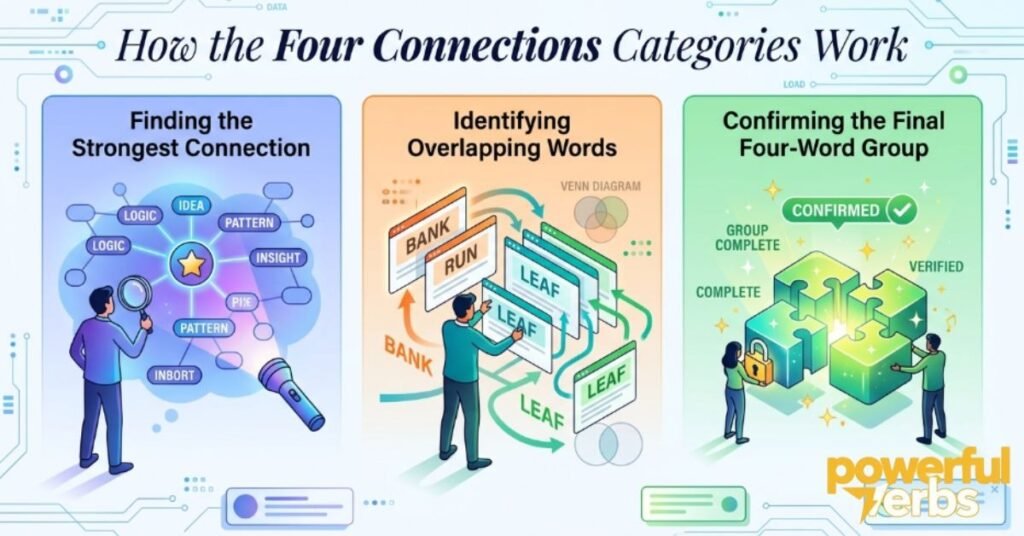
Each of the four groups in Connections follows its own internal logic, even though they all connect to the same sixteen-word grid at the same time.
Finding the Strongest Connection
Start by identifying the group you feel most confident about. This reduces the number of remaining possibilities and makes the rest of the puzzle far less overwhelming.
Identifying Overlapping Words
Some words could fit into two different categories at first glance. Pay close attention to these tricky overlaps, since they are usually placed there on purpose.
Confirming the Final Four-Word Group
Once three groups are solved, the last one usually becomes clear by process of elimination, even if it looked confusing at the very start.
Common Mistakes Players Make
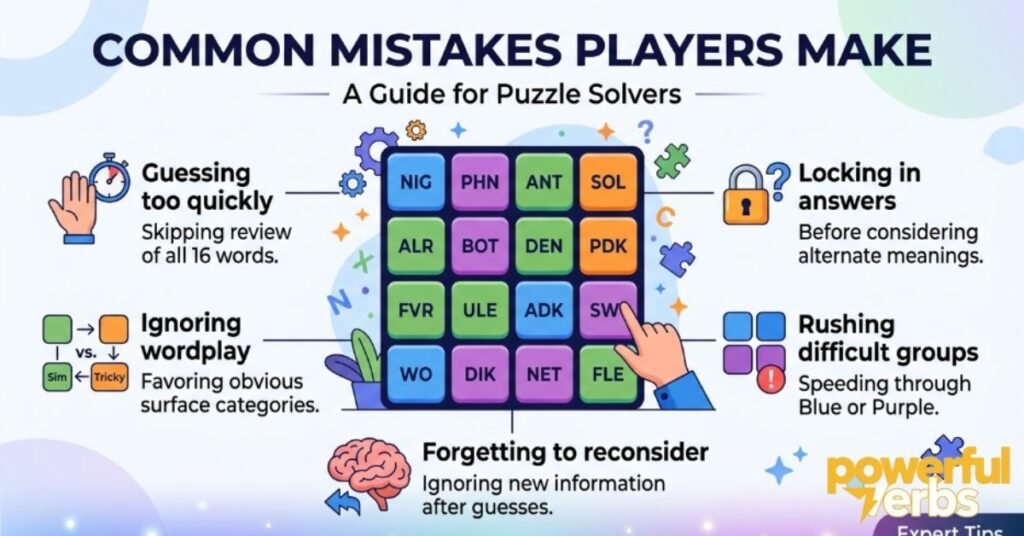
Even experienced solvers fall into a few common traps while playing, especially when they are rushing through the puzzle.
- Guessing too quickly without checking all sixteen words carefully
- Ignoring wordplay in favor of obvious surface-level categories
- Locking in answers before considering alternate meanings of a word
- Rushing through purple or blue groups without careful thought
- Forgetting to reconsider earlier guesses after new information appears
What Makes a Connections Puzzle Difficult?
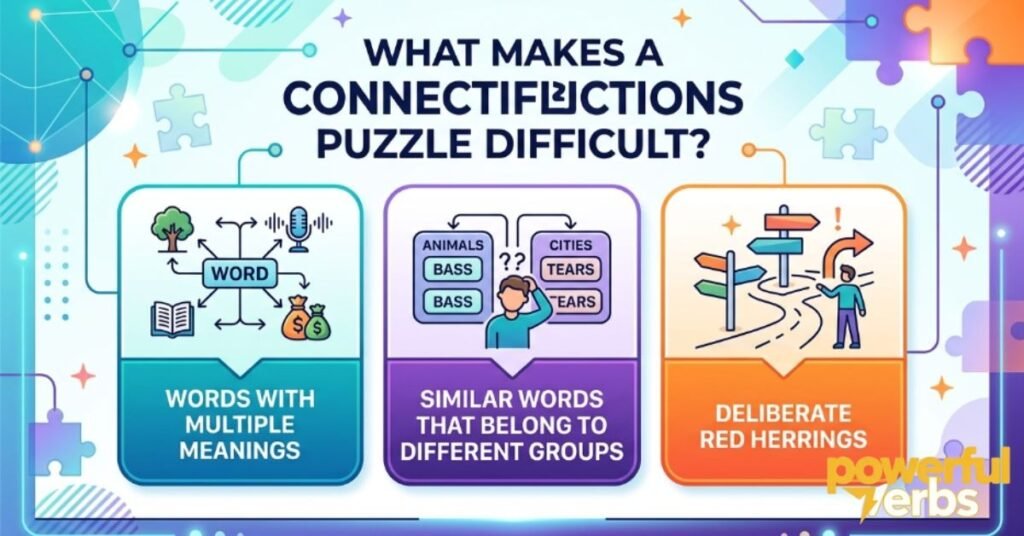
Difficulty in Connections comes from clever design choices meant to challenge even skilled and experienced players.
Words With Multiple Meanings
A single word can belong to several categories depending on how you choose to interpret it, which is often the exact trick behind a hard puzzle.
Similar Words That Belong to Different Groups
Words that look related on the surface sometimes belong to completely separate themes, tricking players into grouping them too soon.
Deliberate Red Herrings
Puzzle creators intentionally place misleading options to slow players down and add real challenge to what might otherwise feel too easy.
see also: Is Tubehalote com Legit? The Truth About Tubehalote (2026)
What’s Behind the Rising Popularity of Daily Puzzle Hints

Word games have become part of daily digital habits for a huge number of people. As more players join in, the demand for daily hints keeps rising alongside it, and this trend does not seem to be slowing down.
Social sharing also plays a big role in this growth. When friends discuss their results, more people become curious and start searching for help themselves, which brings even more traffic to hint articles.
Mobile habits have added to this as well, since many players solve the puzzle during short breaks and appreciate having quick, easy-to-scan hints available on demand.
Can Forbes Connections Improve Your Puzzle Skills?

Yes, regularly reading through Connections hints can genuinely sharpen your puzzle-solving skills over time, especially when used the right way instead of as a shortcut every single day.
By studying how categories are structured, players start to recognize patterns faster in future puzzles, even without needing hints at all. Over weeks and months, many players notice they solve puzzles far quicker than when they first started.
Benefits of Playing NYT Connections Regularly
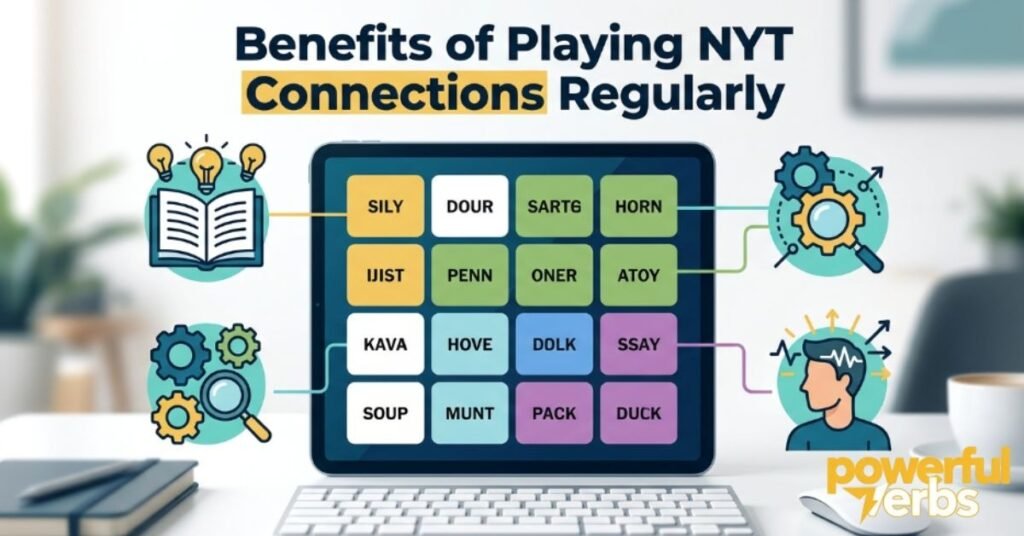
Beyond the fun factor, playing Connections regularly offers real mental benefits that go well beyond just entertainment.
Building Vocabulary
Exposure to different word categories and themes naturally expands your vocabulary over time, often without you even realizing it is happening.
Improving Pattern Recognition
Regular play trains your brain to spot patterns and connections more quickly, a skill that carries over into other areas of daily life as well.
Strengthening Logical Thinking
Sorting words into logical groups is a great mental exercise that sharpens reasoning skills and keeps the mind active every single day.
Alternatives to Connections Forbes
While Forbes is a popular source, other outlets also publish daily Connections hints. Comparing a few sources can help you find hints that match your preferred style, whether that means shorter clues, more detailed breakdowns, or a different tone altogether.
- Some sources focus purely on quick answers with no extra explanation.
- Others include detailed breakdowns of the reasoning behind each category.
- A few sites add community discussion sections for extra engagement.
- Some outlets include historical data about past puzzle difficulty trends.
How to Avoid Spoilers While Looking for Hints
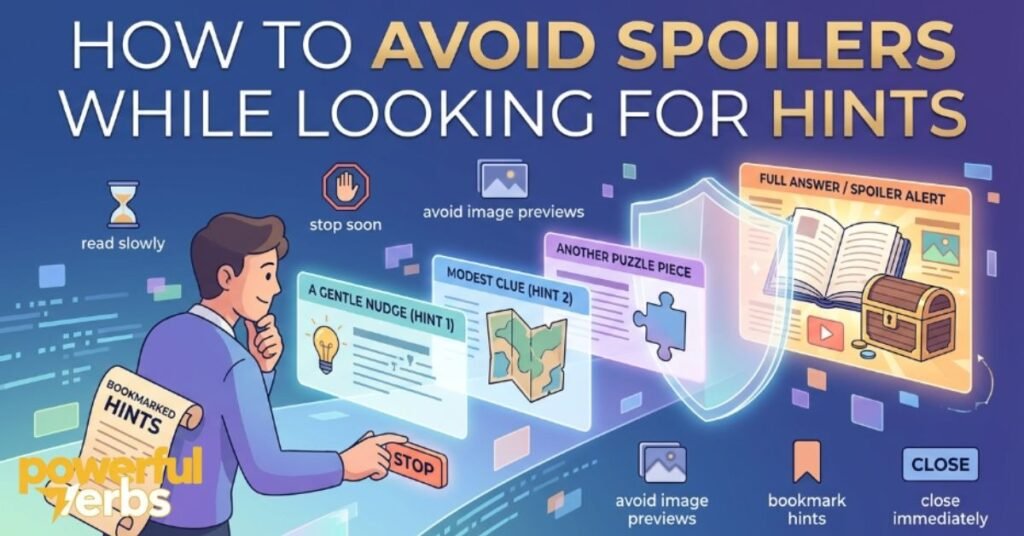
It can be frustrating to accidentally see the full answer when you only wanted a small hint. A few simple habits can help avoid this problem completely.
- Read hint sections slowly instead of scrolling too fast through the page.
- Stop as soon as you get the nudge you actually needed.
- Avoid looking at images or previews that might reveal answers early.
- Bookmark the hint section instead of the answer section for later use.
- Close the page immediately once you have enough information to continue.
How to Choose the Right Level of Help
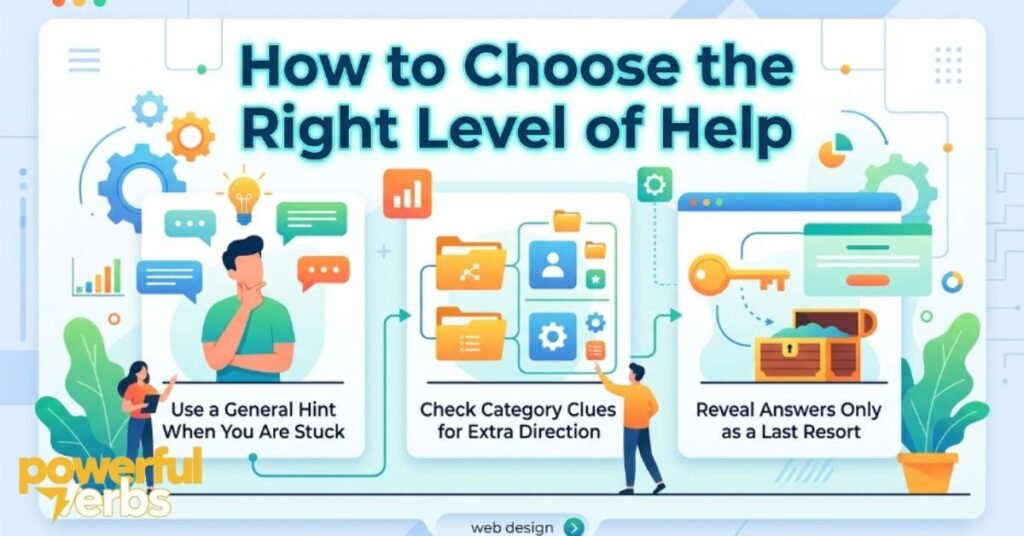
Different situations call for different amounts of hint support, and knowing which level to use makes the whole experience much smoother.
Use a General Hint When You Are Stuck
A simple nudge is often enough to get your thinking back on track without giving away too much information at once.
Check Category Clues for Extra Direction
If a general hint is not enough, category clues offer more specific guidance while still leaving some of the puzzle for you to solve.
Reveal Answers Only as a Last Resort
Save full answers for moments when you are truly out of options or simply out of time to keep guessing on your own.
Conclusion
Connections: Forbes has become a trusted daily stop for puzzle fans who want reliable, well-organized hints without wasting time searching multiple sites. Whether you need a small nudge or the complete solution, this type of daily coverage makes the puzzle experience smoother, faster, and more enjoyable overall.
By using hints wisely and building your own solving skills over time, you can enjoy NYT Connections as both a fun daily habit and a genuine mental workout that keeps your mind sharp day after day.
see also: SnapJotz Com Explained: Note App or Content Site? (2026 Answer)
Frequently Asked Questions
How do I get hints for today’s NYT Connections puzzle?
You can find daily hints from sites that cover Connections, such as Forbes, which posts category clues and answers every day.
What is the NYT Connections game?
NYT Connections is a daily word puzzle where players sort sixteen words into four hidden groups of four based on a shared theme.
Why is the purple category the hardest in Connections?
The purple category usually relies on wordplay or unusual connections that are not obvious at first glance.
Can I solve NYT Connections without any hints?
Yes, many players solve it independently by carefully reading each word and testing different groupings before guessing.
What happens if I guess wrong in Connections?
A wrong guess simply tells you that the combination is incorrect, and you can try again with a different group of words.
How many mistakes are allowed in NYT Connections?
Players are typically allowed a limited number of mistakes before the puzzle marks the attempt as unsolved.
Are Connections hints the same every day?
No, hints change daily since the puzzle itself uses a completely new set of sixteen words and categories each day.
Is Connections Forbes free to use?
Yes, most Connections hint coverage, including from Forbes, is available to read for free online.
What is the best strategy for solving Connections quickly?
Start with the group you feel most confident about, then use elimination to figure out the remaining categories.
Why do some words fit into multiple Connections categories?
Puzzle creators intentionally include overlapping words to make the game more challenging and force careful thinking.

Liam Johnson is a dedicated language expert with 4 years of professional experience. He specializes in Grammar, Vocabulary, and Sentence structure.
