

Have you ever stopped at a fruit stall and wondered why are so many fruits yellow? There is something about yellow fruits that feels naturally inviting. They are bright, warm, and full of life. But beyond their color, yellow fruits carry incredible nutritional value, unique flavors, and fascinating origins that most people never explore.
I used to think yellow fruits meant just bananas and lemons. Then I started digging deeper — and honestly, the variety is stunning.
This complete guide covers 60+ yellow color fruits with names, descriptions, taste profiles, and key facts. Whether you are a student, a health-conscious eater, a gardener, or simply curious — this list has everything you need.
What Are Yellow Color Fruits?
Yellow color fruits are fruits that display yellow pigmentation on their skin, flesh, or both at some point during their growth or ripeness.
This yellow color comes primarily from natural compounds called carotenoids — powerful plant pigments that also act as antioxidants in the human body.
Not every yellow fruit is ripe, and not every ripe fruit stays yellow. Some fruits begin green and shift to yellow as sugars develop. Others maintain a yellow tone from early growth all the way through harvest.
Yellow fruits grow across tropical, subtropical, and temperate regions worldwide — making them one of the most diverse and widely available fruit color groups on the planet.
Why Yellow Fruits Are Good for You
Yellow fruits are not just visually appealing — they deliver real, measurable health benefits:
- Vitamin C — Strengthens immunity, supports skin collagen, and fights oxidative stress
- Carotenoids — Protect eye health, reduce inflammation, and support heart function
- Dietary Fiber — Improves digestion, supports gut health, and regulates blood sugar
- Potassium — Maintains healthy blood pressure and supports muscle function
- Natural Sugars — Provide clean, quick energy without processed additives
- Folate — Supports cell repair, brain health, and is especially important during pregnancy
Adding yellow fruits to your daily diet is one of the simplest ways to improve overall nutrition naturally.
Complete List of 60+ Yellow Color Fruits
Common Yellow Fruits
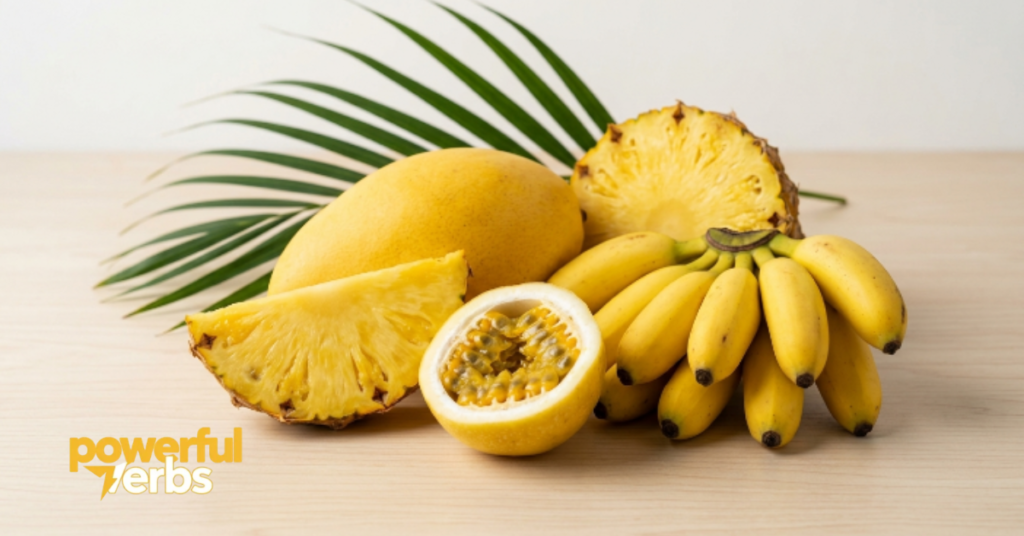
1. Banana Long, curved fruit with smooth yellow skin and creamy soft flesh. One of the world’s most consumed fruits — rich in potassium, fiber, and natural energy.
2. Lemon Small round citrus fruit with bright yellow skin and intensely sour juice. Widely used in cooking, beverages, and natural cleaning remedies.
3. Pineapple Large tropical fruit with rough textured yellow skin and firm juicy flesh. Sweet-tangy flavor with high vitamin C and manganese content.
4. Mango Smooth tropical fruit that develops yellow or golden skin when fully ripe. Rich, sweet, juicy flesh packed with vitamins A and C.
5. Yellow Apple Round apple variety with pale yellow skin and crisp, mildly sweet flesh. Lower acidity than green apples — great for snacking and baking.
6. Papaya Oval tropical fruit with yellow-orange skin and silky soft flesh. Mildly sweet with a musky undertone — contains digestive enzyme papain.
7. Yellow Pear Bell-shaped fruit with thin yellow skin and tender juicy flesh. Sweetness deepens as it ripens — excellent fresh or in desserts.
8. Golden Kiwi Small oval fruit with smooth skin and vivid yellow flesh. Sweeter and less acidic than green kiwi — high in vitamin C and vitamin K.
9. Starfruit (Carambola) Glossy yellow fruit that creates a perfect star shape when sliced crosswise. Light sweet-sour flavor with crisp refreshing texture.
10. Yellow Peach Soft round stone fruit with velvety yellow skin and juicy flesh. Sweet with a gentle tartness — beloved in summer and baking.
Stone Fruits — Yellow Varieties
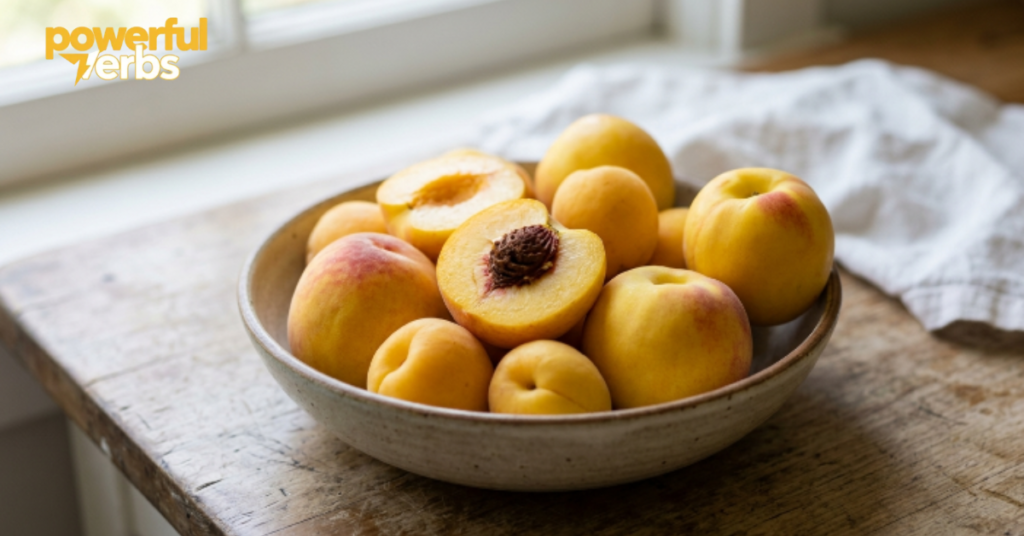
11. Yellow Plum Small smooth-skinned fruit with golden yellow color when ripe. Juicy and balanced between sweet and tart — eaten fresh or preserved.
12. Mirabelle Plum Tiny round European plum with deep yellow skin and very sweet flesh. Grown mainly in France — popular in jams, tarts, and brandy.
13. Yellow Nectarine Smooth-skinned stone fruit similar to a peach but firmer. Yellow flesh with rich sweetness and slightly lower acidity.
14. Yellow Cherry Pale golden cherry variety with thin delicate skin. Sweeter and milder in tartness compared to red or dark cherry varieties.
15. Yellow Apricot Small golden fruit with velvety skin and soft, sweet-tangy flesh. Rich in beta-carotene and vitamin A — delicious fresh or dried.
Citrus Yellow Fruits
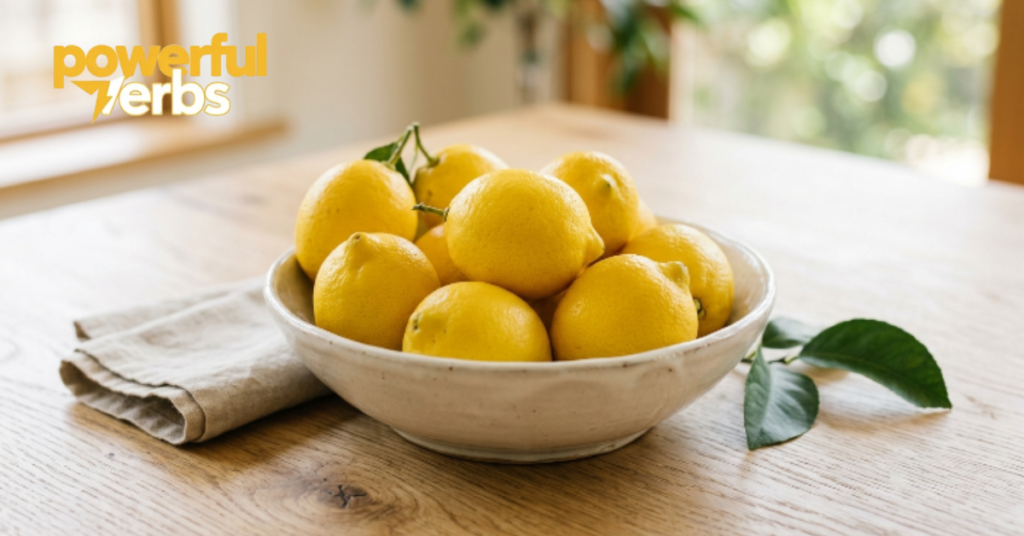
16. Yuzu Small bumpy Japanese citrus with intense aromatic sour juice. Used widely in Japanese cuisine for its fragrant zest and complex flavor.
17. Ugli Fruit Wrinkled yellow-green tangelo with mild sweet-tart flesh. High in vitamin C — easy to peel and refreshingly light.
18. Meyer Lemon Thin-skinned lemon variety sweeter than regular lemons. Floral aroma with balanced acidity — popular in gourmet cooking and baking.
19. Yellow Grapefruit Large citrus fruit with pale yellow rind and mildly bitter-sweet flesh. Supports metabolism and is rich in antioxidants.
20. Calamondin (Yellow Stage) Tiny round citrus fruit with yellow-orange color. Sour juice used as a condiment in Southeast Asian dishes and drinks.
21. Pomelo (Yellow Variety) Largest citrus fruit with thick yellow rind and mildly sweet flesh. Low in calories and high in fiber and vitamin C.
22. Key Lime (Yellow When Ripe) Small citrus that turns yellow at peak ripeness. More aromatic and flavorful than Persian limes — famous for Key Lime Pie.
23. Bergamot Sour yellow citrus fruit prized mainly for its fragrant peel oil. Best known as the distinctive flavoring in Earl Grey tea.
Tropical Yellow Fruits
24. Canary Melon Large oval melon with bright yellow rind and pale ivory flesh. Exceptionally sweet, juicy, and refreshing when fully ripe.
25. Yellow Watermelon Watermelon variety with standard green exterior but golden yellow flesh. Tastes slightly sweeter and more honey-like than red watermelon.
26. Yellow Dragon Fruit (Pitaya Amarilla) Vibrant yellow-skinned dragon fruit with soft white flesh and tiny edible seeds. Sweeter than red dragon fruit — rich in fiber and antioxidants.
27. Yellow Passion Fruit Round tropical fruit with thick yellow skin and intensely aromatic pulp. Sweet-tangy juice used in beverages, desserts, and tropical dishes.
28. Yellow Guava Round fruit with yellow skin and fragrant sweet flesh. High in vitamin C — eaten fresh, juiced, or made into paste and jam.
29. Yellow Fig Soft fruit with golden yellow skin and honey-sweet interior. Tender flesh filled with tiny edible seeds — rich in fiber and calcium.
30. Jackfruit (Ripe) Massive tropical fruit with yellow-green exterior and sweet golden flesh inside. Naturally sweet when ripe — used in desserts and sweets worldwide.
31. Soursop — Yellow Stage Spiny green fruit with creamy white-yellow flesh. Mildly tart-sweet flavor — widely used in tropical juices and ice creams.
32. Durian Large spiky fruit with yellow-green exterior and rich custard-like yellow flesh. Known for its powerful aroma and intensely creamy, sweet taste.
33. Yellow Coconut Mature coconut variety with yellow outer shell. Contains rich coconut water and firm, flavorful white flesh inside.
Berries — Yellow Varieties
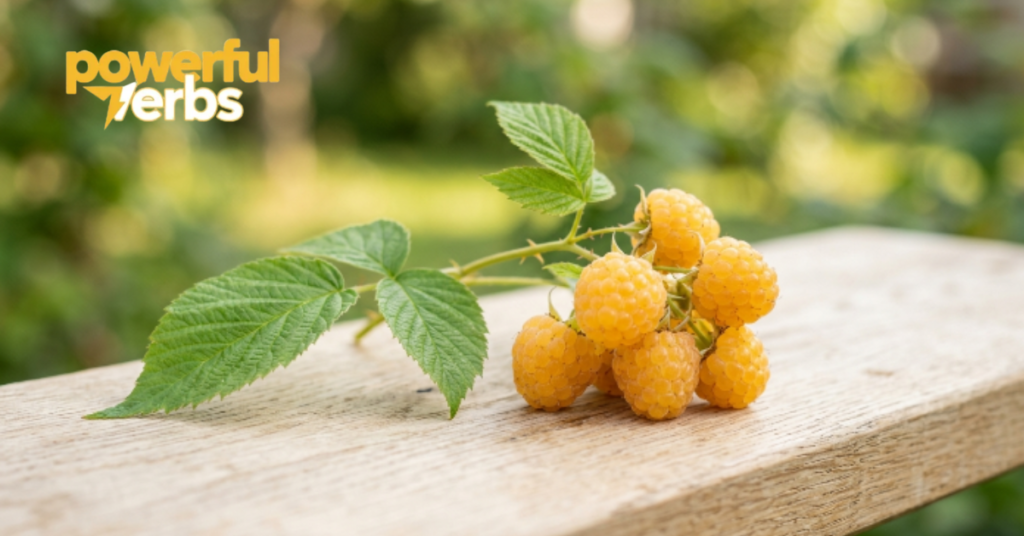
34. Golden Berry (Cape Gooseberry) Small round yellow berry wrapped in a papery husk. Sweet with a light citrus tang — packed with antioxidants and vitamin C.
35. Yellow Raspberry Pale golden raspberry with soft delicate texture. Sweeter and less sharp than red raspberries — lovely fresh or in preserves.
36. Yellow Strawberry (Pineberry) Pale yellow strawberry with red seeds and pineapple-like flavor. Rare and visually striking — sweet with a tropical twist.
37. Yellow Gooseberry Small round berry with translucent yellow skin. Mildly tart-sweet — used in pies, jams, and fruit compotes.
38. Yellow Mulberry Long slender yellow berry with gentle sweetness. Less tart than red mulberries — eaten fresh or dried.
39. Yellow Elderberry Pale yellow variety of elderberry with mild flavor. Used in syrups, teas, and traditional herbal remedies.
Exotic and Rare Yellow Fruits
40. Abiu Smooth oval tropical fruit with glossy yellow skin and creamy white flesh. Vanilla-custard like sweetness — native to the Amazon basin.
41. Lucuma Greenish-yellow Andean fruit with dry yellow flesh and unique caramel-maple flavor. Widely used as a natural sweetener in Peru.
42. Santol (Yellow Variety) Round tropical fruit with yellow outer layer and white segmented flesh. Mildly sweet with a subtle sour note — popular in Southeast Asia.
43. Canistel (Egg Fruit) Bright yellow fruit with dry, dense flesh resembling a hard-boiled egg yolk. Sweet and starchy — eaten fresh or blended into smoothies.
44. Quince Hard, knobby yellow fruit with powerful floral aroma. Too astringent to eat raw — transformed into fragrant jams, jellies, and pastes by cooking.
45. Horned Melon (Kiwano) Oval fruit with spiky orange-yellow exterior and bright green-yellow flesh. Mild cucumber-like sweetness — visually dramatic and nutritious.
46. Yellow Dates Fresh dates in their early yellow stage — crisp, mildly sweet, and less sugary than fully dried dates. Popular in Middle Eastern cuisine.
47. Pepino Melon Oval yellow fruit with purple streaks and mild honeydew-like flavor. Crisp, refreshing flesh high in water content and vitamin C.
48. Feijoa (Yellow Stage) Small oval fruit with green-yellow skin and sweet-tart flesh. Notes of pineapple, guava, and mint — eaten fresh or made into preserves.
49. Yellow Tamarillo Egg-shaped fruit with yellow-orange skin and tart tangy flesh. Used in sauces, chutneys, and savory cooking across South America.
50. Marula (Ripe) Small yellow-white African fruit with tart-sweet flesh and large seed. Used in beverages, oils, and the famous Amarula cream liqueur.
More Yellow Fruits to Know
51. Yellow Wax Apple Bell-shaped watery fruit with pale yellow skin. Mildly sweet, crisp, and very refreshing — popular in tropical Asian markets.
52. Yellow Jujube (Ripe) Small oval fruit with yellow-green skin and crisp apple-like flesh. Naturally sweet with hints of honey — used in teas and traditional medicine.
53. Yellow Persimmon Pale yellow persimmon variety with sweet, jelly-like flesh when fully ripe. Rich in vitamin A, fiber, and antioxidants.
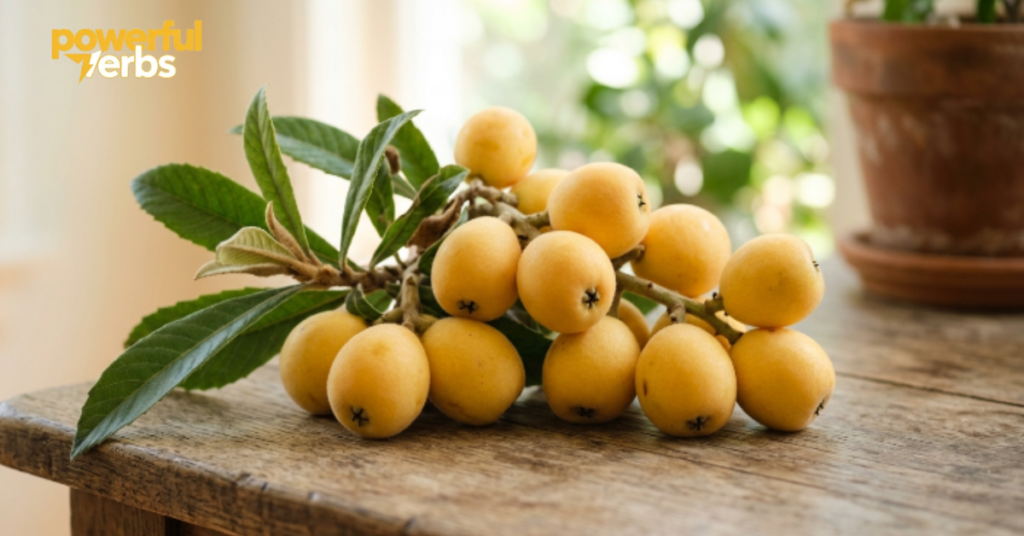
54. Yellow Loquat Small oval fruit with smooth golden skin and juicy sweet-tart flesh. Rich in beta-carotene and potassium — often eaten fresh or as jam.
55. Yellow Plumcot Hybrid of plum and apricot with golden yellow skin. Juicy, sweet-tart flavor combining the best of both parent fruits.
56. Yellow Sapote Tropical fruit with yellow-green skin and sweet yellow flesh. Creamy texture similar to custard — eaten fresh in Central America.
57. Nance Berry Tiny round yellow fruit with a strong, distinctive aroma. Sweet-sour flavor — eaten fresh or fermented into beverages in Latin America.
58. Yellow Carambola (Sweet Variety) Deeply golden starfruit variety with higher sugar content. Crisp and refreshing with a more pronounced sweetness than sour types.
59. Yellow Mombin (Jocote) Small oval tropical fruit with yellow skin and fibrous sweet-tart flesh. Eaten fresh, pickled, or made into juice and jam.
60. Breadfruit (Yellow Stage) Large starchy fruit that turns yellow-green when ripe. Soft and slightly sweet when ripe — used in both sweet and savory cooking.
61. Yellow Langsat Small round pale yellow fruit growing in clusters. Translucent sweet-sour flesh — popular fresh fruit in Southeast Asian markets.
62. Cempedak (Yellow Flesh) Tropical fruit related to jackfruit with yellow aromatic flesh. Rich, sweet flavor stronger and more pungent than jackfruit.
Soft Yellow Fruits
These yellow fruits are naturally tender and easy to eat when fully ripe:
- Banana — Creamy flesh that softens further as it ripens past yellow
- Papaya — Silky smooth flesh that almost melts with each bite
- Mango — Juicy and fiber-rich, especially soft near the seed
- Yellow Peach — Velvety tender flesh with natural juice that drips when bitten
- Yellow Fig — Honey-sweet interior with a delicate, almost fragile skin
- Abiu — Custard-smooth flesh with a vanilla-like sweetness
- Canistel — Dense and creamy like sweet potato or egg yolk
- Yellow Passion Fruit — Soft aromatic pulp surrounding small crunchy seeds
Yellow Fruits by Taste Profile
| Fruit | Taste Profile |
| Banana | Sweet, creamy, mild — one of the most universally loved flavors |
| Lemon | Intensely sour and sharp with bright citrus freshness |
| Mango | Rich, tropical sweetness with slight tangy depth |
| Pineapple | Bold sweet-tangy with refreshing acidic kick |
| Papaya | Mildly sweet with a musky, floral undertone |
| Yellow Apple | Gently sweet with smooth low-acid flavor |
| Golden Kiwi | Sweeter than green kiwi with tropical citrus notes |
| Starfruit | Light sweet-sour with crisp watery texture |
| Yellow Guava | Fragrant sweet with mild tropical acidity |
| Yuzu | Strongly sour with complex aromatic citrus character |
| Lucuma | Earthy sweet with caramel and maple notes |
| Abiu | Creamy sweet with vanilla and custard undertones |
| Mirabelle Plum | Intensely sweet with honey-like richness |
| Golden Berry | Sweet with a gentle citrus tang |
| Yellow Passion Fruit | Aromatic sweet-tart with tropical intensity |
Fruits That Turn Yellow When Ripe
Several fruits begin life as green and gradually shift to yellow as natural sugars develop and chlorophyll breaks down:
- Banana — Green turns to yellow as starches convert to sugar
- Mango — Green skin fades to golden yellow at peak ripeness
- Papaya — Yellow color spreads from bottom to top as it matures
- Pineapple — Base turns yellow first, then the entire fruit follows
- Quince — Deep green slowly shifts to rich golden yellow
- Yellow Pear — Skin brightens from pale green to full yellow
- Lemon — Stays green in warm humid climates, turns yellow in cooler conditions
- Yellow Plum — Acidity drops and skin turns golden as it ripens fully
- Key Lime — Technically turns yellow at peak ripeness before harvest
Conclusion
Yellow fruits are among the most diverse, nutritious, and visually appealing fruit groups in the world. From the everyday familiarity of bananas and lemons to the rare sweetness of Abiu and Lucuma each yellow fruit carries its own story, flavor, and health benefit.
This guide of 60+ yellow color fruits gives you a confident, complete reference — whether you are building a healthy diet, exploring new flavors, teaching food vocabulary, or simply satisfying your curiosity.
Next time you spot a yellow fruit, you will know exactly what it is, how it tastes, and why it deserves a place in your kitchen.
FAQs
1. What are yellow color fruits?
Yellow color fruits are fruits that show yellow pigmentation on their skin, flesh, or both when ripe. This color comes from natural carotenoid pigments. Examples include banana, mango, lemon, pineapple, and golden kiwi.
2. Are all yellow fruits sweet?
No. Yellow fruits vary widely in taste. Lemon and yuzu are intensely sour. Starfruit is mildly sweet-sour. Banana and mango are sweet. Quince is astringent when raw. Taste depends on the fruit type and ripeness level.
3. Why do fruits turn yellow when ripe?
As fruits ripen, chlorophyll (green pigment) breaks down and carotenoids (yellow pigments) become visible. This color change also signals that sugars have developed and the fruit is ready to eat.
4. Which yellow fruit has the most vitamin C?
Guava, golden berry, and yellow kiwi are among the highest in vitamin C among yellow fruits. Lemon is also well known for vitamin C content despite its sour taste.
5. Is yellow dragon fruit healthier than red dragon fruit?
Yellow dragon fruit is generally sweeter and slightly higher in natural sugar. Both varieties are rich in fiber, antioxidants, and vitamin C. Yellow dragon fruit also supports healthy digestion and gut activity when eaten regularly.
6. Can yellow fruits be eaten every day?
Yes. Most yellow fruits are safe and beneficial for daily consumption. They provide vitamins, minerals, fiber, and antioxidants that support immunity, digestion, heart health, and energy levels.
7. What are the rarest yellow fruits?
Some of the rarest yellow fruits include Abiu, Canistel (Egg Fruit), Lucuma, Nance Berry, Yellow Sapote, and Cempedak. These are mostly found in tropical regions and specialty markets.
8. Which yellow fruit is best for weight loss?
Lemon, starfruit, yellow grapefruit, and golden berry are low in calories and high in fiber — making them excellent choices for weight management when included in a balanced diet.

Liam Johnson is a dedicated language expert with 4 years of professional experience. He specializes in Grammar, Vocabulary, and Sentence structure.
