

Red fruits are among the most nutritious and visually appealing foods found across the globe. From the familiar crunch of a red apple to the exotic sweetness of red dragon fruit, these vibrant foods offer incredible health benefits. Whether you are grocery shopping, preparing meals, or learning English food vocabulary, knowing the names and benefits of red fruits helps you make smarter dietary choices every day.
This complete guide covers 130 red fruits with names, pictures, health benefits, and nutritional facts — making it the most thorough red fruit reference available for readers in the USA, UK, Australia, Canada, and beyond.
What Is a Red Fruit?
A red fruit is any fruit that displays red pigmentation on its outer skin, inner flesh, or both. This red color typically comes from natural plant compounds called anthocyanins and lycopene — powerful antioxidants that protect the body from cell damage and inflammation.
Red fruits range from tiny berries to large tropical fruits. They can be sweet, tart, or mildly bitter. What unites them is their rich nutrient profile and their ability to support heart health, immunity, digestion, and skin vitality.
Understanding what makes a fruit “red” helps you identify these foods in markets, gardens, and recipes with confidence.
Complete List of 130 Red Fruits with Names
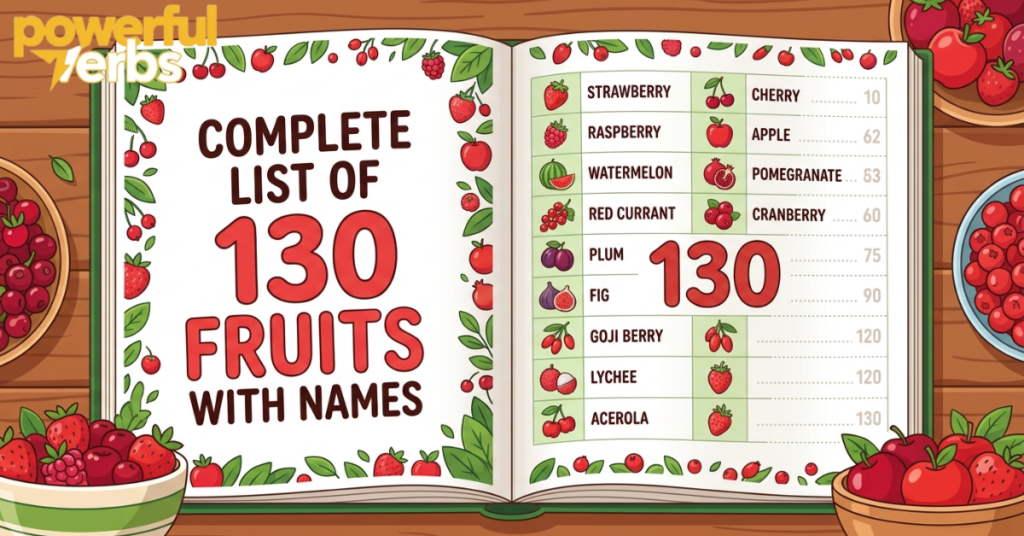
Below is the most comprehensive red fruits list available, organized for easy reference:
- Apple (Red Delicious, Fuji, Gala)
- Strawberry
- Cherry (Sweet Cherry)
- Raspberry
- Cranberry
- Red Grape
- Pomegranate
- Red Plum
- Red Currant
- Red Gooseberry
- Mulberry (Red)
- Blood Orange
- Red Pear (Anjou Rouge)
- Red Peach
- Red Nectarine
- Red Banana
- Red Dragon Fruit (Red Pitaya)
- Red Fig
- Red Kiwi
- Red Guava
- Red Papaya
- Red Mango
- Red Date (Jujube)
- Lychee
- Red Tamarind
- Red Star Apple
- Bayberry (Yangmei)
- Red Huckleberry
- Red Elderberry
- Red Jabuticaba
- Red Prickly Pear (Cactus Fruit)
- Red Sapote
- Red Currant Tomato
- Red Barberry
- Loganberry
- Marionberry
- Boysenberry
- Red Wine Grape (Cabernet)
- Muscadine Grape
- Cornelian Cherry
- Lingonberry
- Rowan Berry
- Serviceberry
- Indian Fig
- Peach Palm Fruit
- Horned Melon (Red-Fleshed)
- Red Velvet Apple
- Strawberry Guava
- Monkey Orange
- Surinam Cherry
- Red Wild Cherry
- Red Nance Fruit
- Mountain Blackberry
- Tayberry
- Chokecherry
- Red Cherry Tomato
- Guavaberry
- Muntingia (Jamaica Cherry)
- Marula Fruit
- Açaí Berry
- Red Black Mulberry
- Himalayan Raspberry
- Red Strawberry Tree Fruit (Arbutus)
- Barbados Cherry (Acerola)
- Pitanga (Surinam Cherry)
- Camu Camu
- Nanking Cherry
- Sea Buckthorn (Red Variety)
- Red Tangelo
- Sweet Cherry (Bing)
- Red Gac Fruit
- Carandas Cherry (Karonda)
- Bilberry (Ripe)
- Wild Strawberry
- Cloudberry (Ripe)
- Miracle Fruit
- Red Bell Pepper (Botanical Fruit)
- Chokeberry (Red Aronia)
- Hovenia Fruit
- Red Malpighia (Barbados Cherry variant)
- Desert Lime (Red Variety)
- Red Loquat
- Kaffir Lime Fruit (Red)
- Indian Gooseberry (Red Variety)
- Red Soursop (Rare Variety)
- Red Salak (Snake Fruit)
- Red Mountain Ash Berry
- Red Rose Apple
- Red Juneberry
- Blackcurrant (Ripe Red Stage)
- Red Mahonia Berry
- Red Seaberry
- Hovenia Dulcis (Japanese Raisin)
- Red Feijoa (Rare)
- Wax Jambu (Red Variety)
- Red Longan
- Red Rambutan
- Malay Apple (Red)
- Red Pulasan
- Red Canistel
- Red Jackfruit (Skin)
- Red Passion Fruit
- Red Mombin (Jocote)
- Red Ackee
- Red Cupuaçu
- Red Ilama
- Red Mamey Sapote
- Red Bacuri
- Red Abiu
- Red Caimito
- Tomatillo (Red Variety)
- Red Persimmon
- Red Quince
- Red Crabapple
- Red Medlar
- Red Serviceberry
- Red Ground Cherry
- Red Sour Cherry (Morello)
- Red Wineberry
- Red Salmonberry
- Thimbleberry (Red)
- Red Buffaloberry
- Red Hackberry
- Red Osage Orange (Rare)
- Red Pawpaw (Rare Variety)
- Red Carissa (Natal Plum)
- Red Ximenia
- Red Dovyalis (Kei Apple)
- Red Pitomba
- Red Cambuca
Popular Red Fruits with Benefits and Description
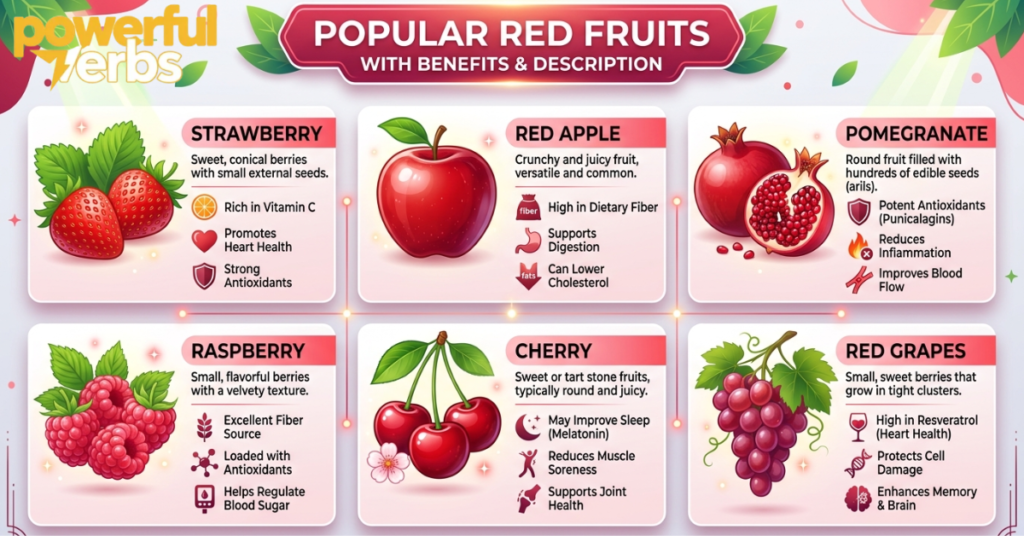
1. Red Apple
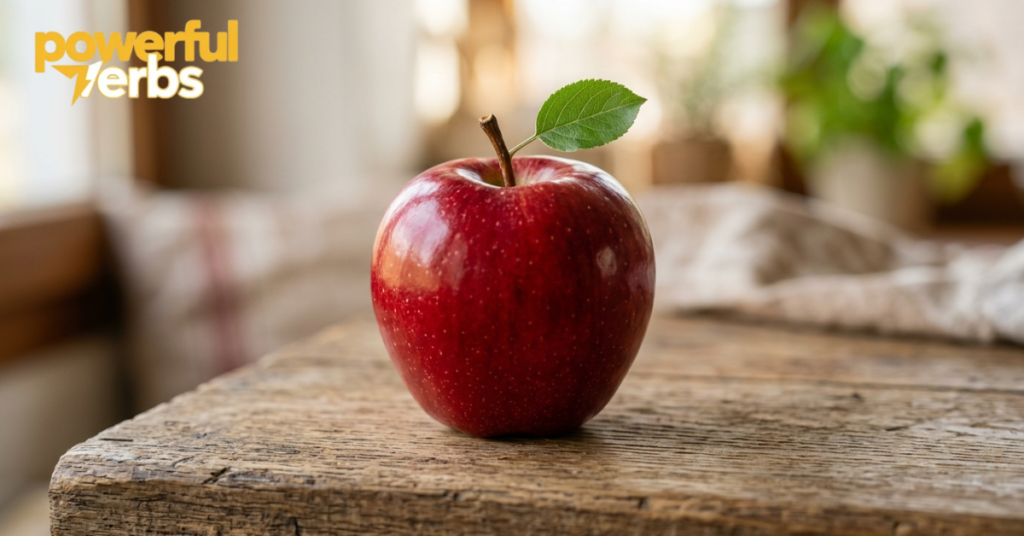
Red apples — including Red Delicious, Fuji, and Gala — are crisp, sweet fruits packed with dietary fiber, vitamin C, and quercetin. Regular consumption supports digestive health, immune function, and blood sugar regulation. Red apples are among the most widely eaten fruits in the world.
Key nutrients: Fiber, Vitamin C, Quercetin, Potassium
2. Strawberry
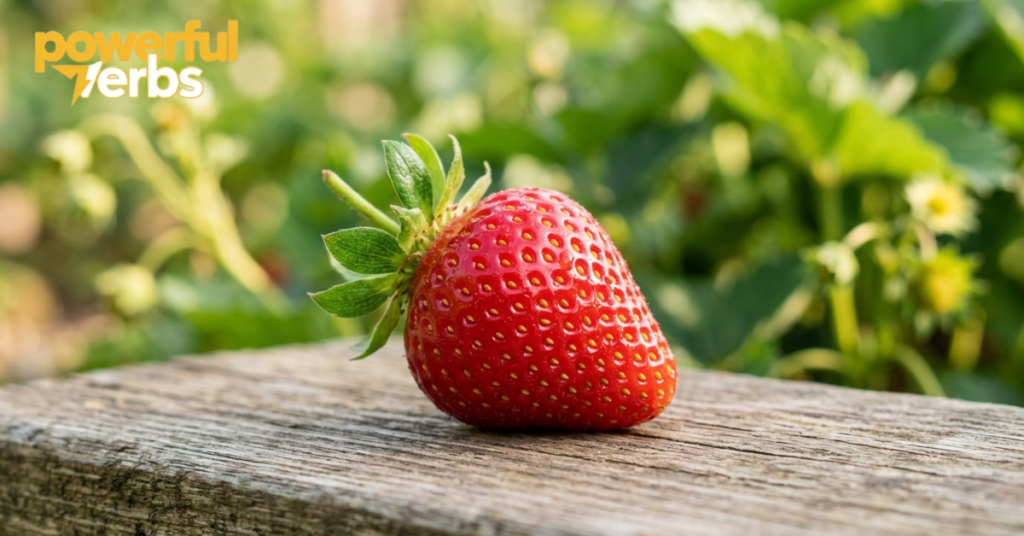
Strawberries are small, heart-shaped red fruits with a sweet, fragrant flavor. They are one of the richest sources of vitamin C among all common fruits. Strawberries also contain ellagic acid and flavonoids that protect against oxidative stress and reduce inflammation.
Key nutrients: Vitamin C, Manganese, Folate, Antioxidants
3. Cherry
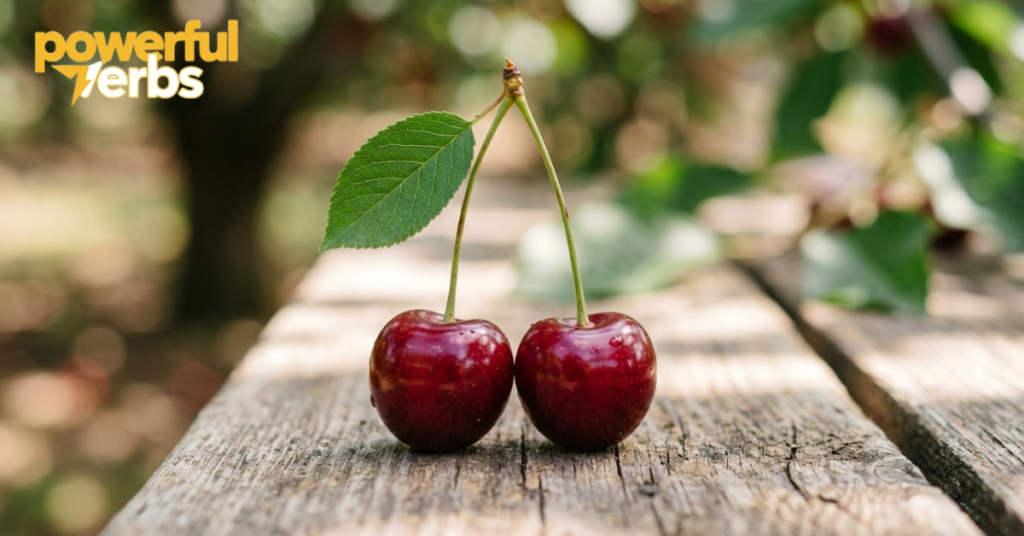
Cherries are small, round red fruits with a smooth skin and juicy flesh surrounding a pit. Sweet cherries are enjoyed fresh, while sour cherries are used in baking and juices. Cherries are rich in melatonin, which supports better sleep, and anthocyanins that reduce joint inflammation.
Key nutrients: Melatonin, Anthocyanins, Vitamin C, Potassium
4. Raspberry
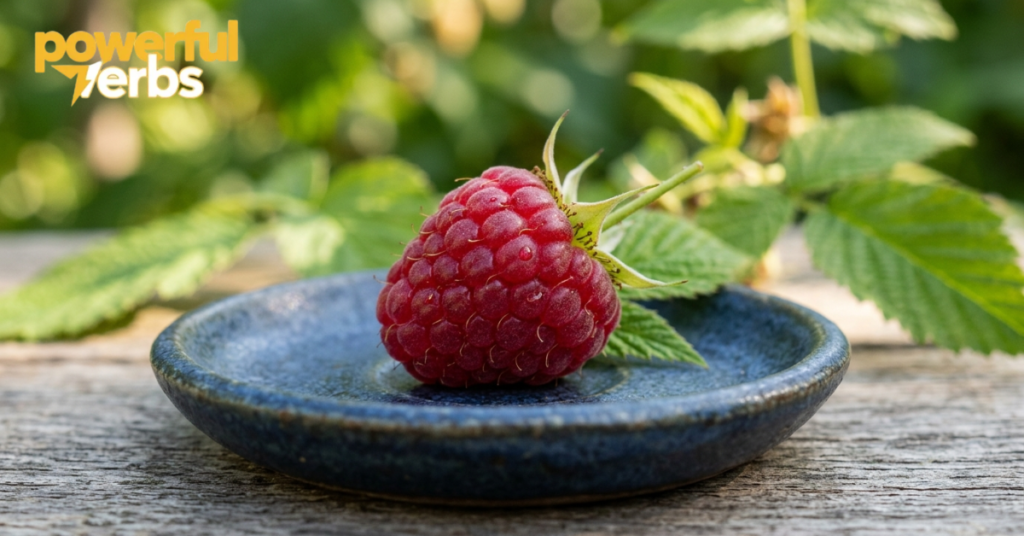
Raspberries are soft, compound berries made of dozens of tiny drupelets. Their sweet-tart flavor makes them ideal for jams, desserts, and smoothies. Raspberries are exceptionally high in dietary fiber and ellagitannins, compounds shown to have cancer-protective properties.
Key nutrients: Fiber, Vitamin C, Manganese, Ellagitannins
5. Cranberry
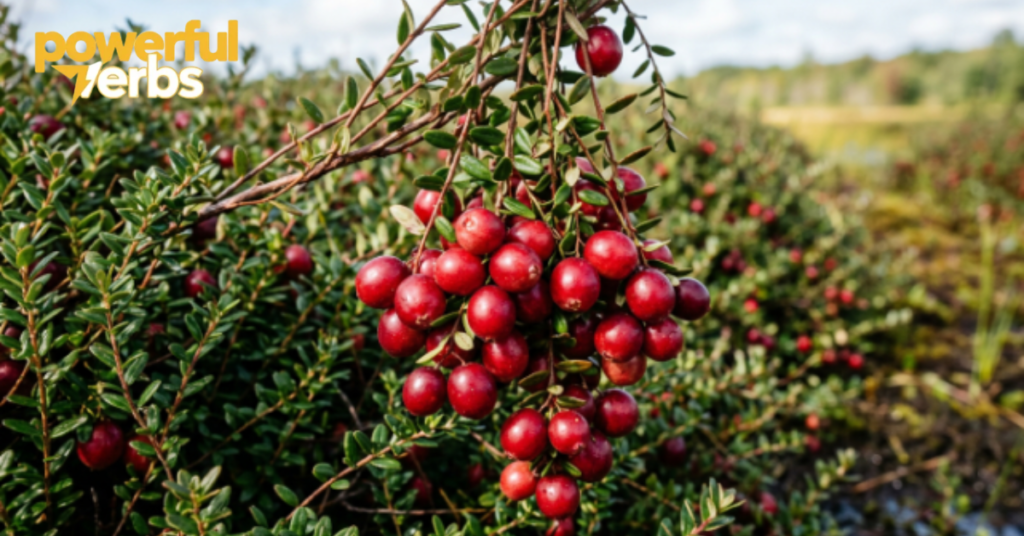
Cranberries are small, firm red berries with a sharp, sour flavor. They are rarely eaten raw and are most often consumed as juice, dried snacks, or sauce. Cranberries contain proanthocyanidins that prevent bacteria from attaching to urinary tract walls, making them a well-known natural remedy for urinary tract infections.
Key nutrients: Vitamin C, Proanthocyanidins, Manganese, Fiber
6. Red Grape
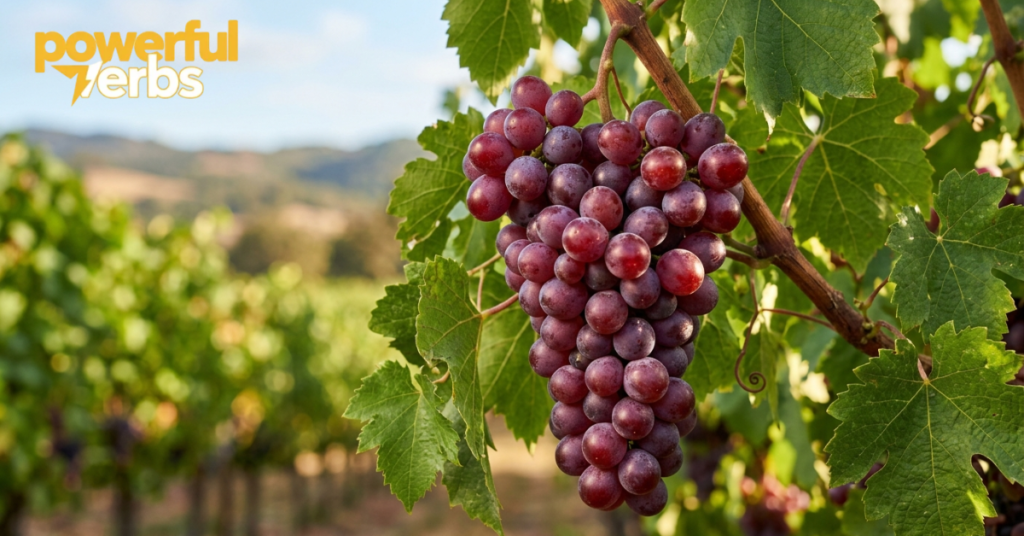
Red grapes grow in large clusters and contain a range of powerful phytochemicals. The skin of red grapes is rich in resveratrol, a compound associated with improved cardiovascular health, reduced inflammation, and longevity. Red grapes also contain natural sugars that provide quick energy.
Key nutrients: Resveratrol, Vitamin K, Copper, Antioxidants
7. Pomegranate
Pomegranates are large, round red fruits filled with hundreds of juicy arils — seed-containing sacs with a sweet-tart taste. Pomegranate juice has been shown to lower blood pressure, reduce LDL cholesterol, and fight inflammation. This fruit is among the most antioxidant-rich foods known to science.
Key nutrients: Punicalagins, Vitamin C, Folate, Potassium
8. Red Plum
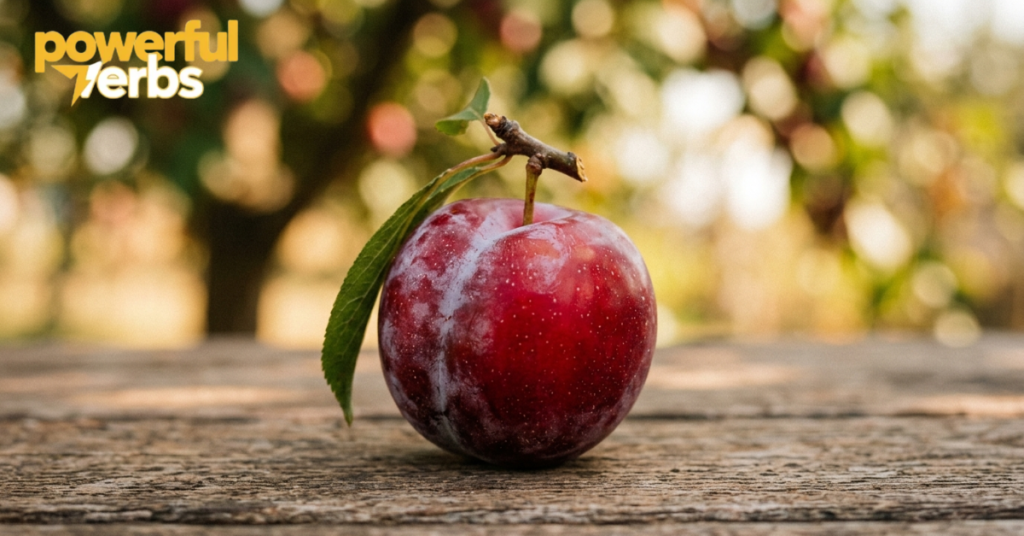
Red plums have smooth, glossy red skin and juicy yellow or dark red flesh. They offer a pleasant sweet-tart balance and are eaten fresh, dried as prunes, or cooked into sauces. Red plums support digestive regularity due to their high sorbitol and fiber content.
Key nutrients: Vitamin A, Vitamin C, Fiber, Sorbitol
9. Red Currant
Red currants are small, translucent red berries that grow in hanging clusters. Their bright, tangy flavor is popular in European cooking. Red currants are exceptionally high in vitamin C — providing over 40% of the daily value per 100 grams — and are a strong source of potassium and iron.
Key nutrients: Vitamin C, Potassium, Iron, Anthocyanins
Red currants are small, translucent red berries that grow in hanging clusters. Their bright, tangy flavor is popular in European cooking. Red currants are exceptionally high in vitamin C — providing over 40% of the daily value per 100 grams — and are a strong source of potassium and iron. If that translucent quality has you thinking about fruits on the paler end of the spectrum, our 110+ white fruits guide is worth exploring next.
10. Red Gooseberry
Red gooseberries are round, semi-transparent berries with thin, veined skin. Their flavor ranges from tart to mildly sweet depending on ripeness. They are commonly used in pies, jams, and chutneys. Red gooseberries are a good source of vitamin C and soluble fiber that supports gut bacteria.
Key nutrients: Vitamin C, Fiber, Copper, Manganese
11. Red Mulberry
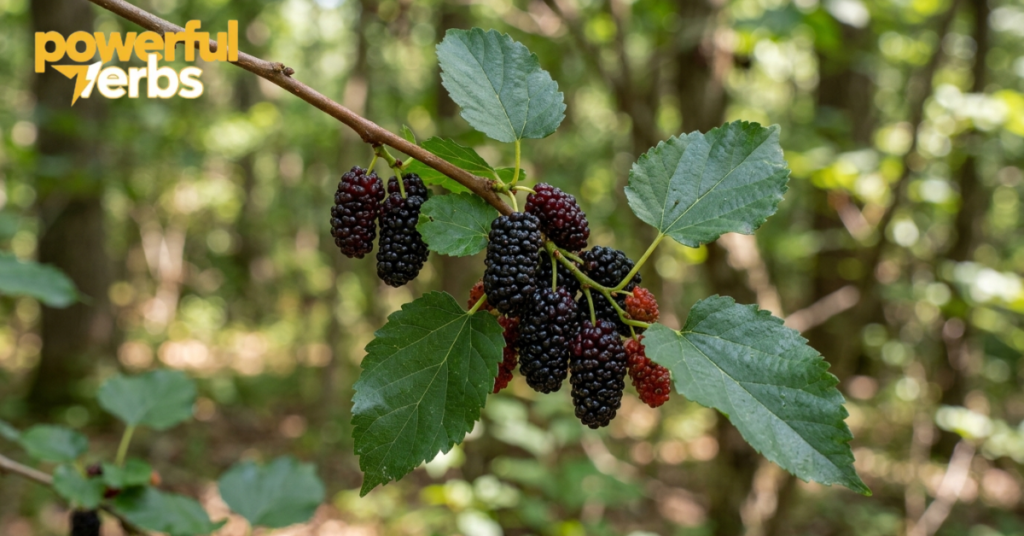
Red mulberries are long, oblong berries that resemble blackberries but develop a deep crimson color when ripe. Their flavor is sweet and juicy. Red mulberries are a valuable source of iron, making them useful for those managing anemia. They also contain resveratrol and vitamin C.
Key nutrients: Iron, Vitamin C, Resveratrol, Calcium
12. Blood Orange
Blood oranges are a variety of citrus with distinctive red-flushed flesh. The red color comes from anthocyanins, which are rare in citrus fruits. Blood oranges combine the vitamin C-richness of regular oranges with the antioxidant power of berries. Their flavor is sweeter and less acidic than standard oranges.
Key nutrients: Vitamin C, Anthocyanins, Fiber, Folate
13. Red Pear (Anjou Rouge)

Red pears have burgundy-red skin and soft, grainy flesh with a mild sweetness. They are less commonly found than green or yellow pears but equally nutritious. Red pears provide a gentle source of fiber and vitamin C, and their low calorie density makes them an excellent snack.
Key nutrients: Fiber, Vitamin C, Copper, Vitamin K
14. Red Peach
Red peaches have fuzzy red-blushed skin and golden, juicy flesh with a sweet, aromatic flavor. They are a great source of beta-carotene, which the body converts to vitamin A for eye and skin health. Peaches also contain chlorogenic acid, a polyphenol with anti-inflammatory properties.
Key nutrients: Vitamin A, Vitamin C, Beta-Carotene, Fiber
15. Red Nectarine

Red nectarines are smooth-skinned relatives of the peach with similar nutritional properties. Their flesh is slightly firmer and their flavor more concentrated. Nectarines support skin health through their vitamin C content and provide potassium for healthy blood pressure.
Key nutrients: Vitamin C, Potassium, Niacin, Beta-Carotene
16. Red Banana
Red bananas are a lesser-known banana variety with reddish-purple skin and creamy, slightly sweeter flesh than yellow bananas. They are a rich source of vitamin B6, which supports brain health and mood regulation, and provide significant amounts of potassium.
Key nutrients: Potassium, Vitamin B6, Vitamin C, Fiber
17. Red Dragon Fruit (Red Pitaya)
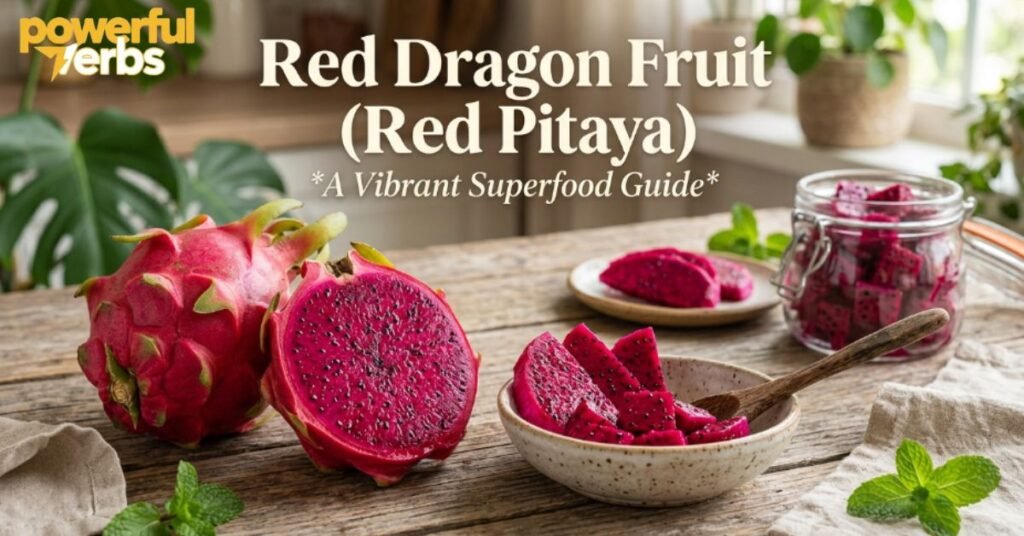
Red dragon fruit has bright magenta skin covered with green-tipped scales and vivid red flesh inside. Its flavor is mildly sweet with subtle earthiness. Red dragon fruit is packed with betalains — pigments that act as antioxidants — and is an excellent source of iron and magnesium.
Key nutrients: Betalains, Iron, Magnesium, Vitamin C
18. Red Fig
Red figs are soft, pear-shaped fruits with edible skin and seed-filled flesh. Their flavor is richly sweet with a honey-like quality. Figs are one of the best plant sources of calcium, making them valuable for bone density. They also contain prebiotics that nourish beneficial gut bacteria.
Key nutrients: Calcium, Fiber, Potassium, Prebiotics
19. Red Kiwi
Red kiwi is a hybrid variety with brownish outer skin and striking red-centered flesh. It is sweeter and less acidic than green kiwi. Red kiwi contains actinidin, a digestive enzyme, along with high levels of vitamin C and dietary fiber.
Key nutrients: Vitamin C, Actinidin, Fiber, Antioxidants
20. Red Guava
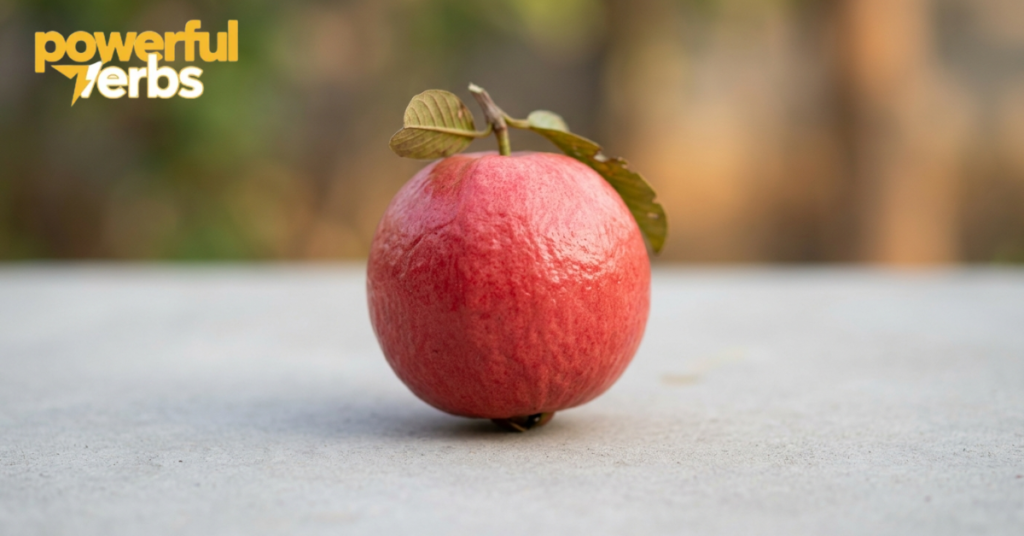
Red guava has green outer skin and vibrant pink-red inner flesh with a strong, tropical aroma. It is exceptionally high in vitamin C — containing four times more than an orange — and provides lycopene, which supports prostate and cardiovascular health.
Key nutrients: Vitamin C, Lycopene, Fiber, Potassium
21. Lychee
Lychee has rough, bright red outer skin with white, translucent, juicy flesh inside. Its flavor is floral and intensely sweet. Lychee is a strong source of vitamin C and oligonol, a polyphenol compound associated with improved blood circulation and anti-inflammatory benefits.
Key nutrients: Vitamin C, Oligonol, Copper, Potassium
22. Bayberry (Yangmei)

Bayberry, called Yangmei in China, is a round, bumpy red fruit with juicy, sweet-tart flesh. It is extremely popular in East Asia and is consumed fresh, dried, or fermented into wine. Bayberries contain myricetin, a flavonoid with strong antioxidant and anti-cancer properties.
Key nutrients: Myricetin, Vitamin C, Natural Acids, Antioxidants
23. Barbados Cherry (Acerola)
Barbados cherry is one of the richest sources of vitamin C on earth — containing up to 65 times more vitamin C per gram than an orange. This small red fruit from the Caribbean is commonly used in supplements, juices, and health products for its extraordinary immune-boosting properties.
Key nutrients: Vitamin C (extremely high), Vitamin A, Anthocyanins, Calcium
24. Lingonberry
Lingonberries are small, tart red berries that grow wild in Nordic forests. They have a sharp, cranberry-like flavor and are widely used in Scandinavian cuisine as jam and sauce. Lingonberries contain high concentrations of resveratrol and quercetin, making them potent anti-inflammatory agents.
Key nutrients: Resveratrol, Quercetin, Vitamin C, Manganese
25. Red Persimmon
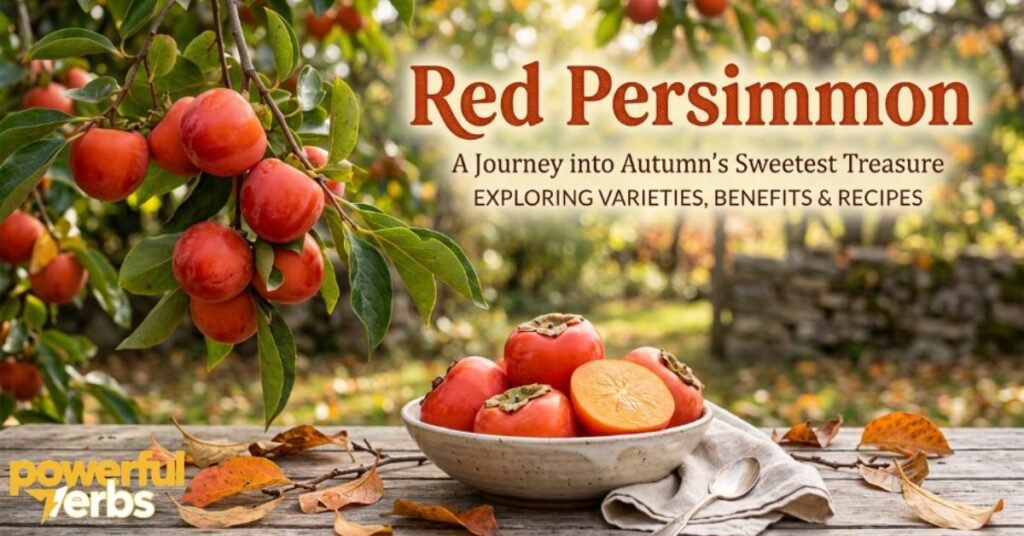
Red persimmons are smooth, tomato-shaped fruits with bright orange-red skin and sweet, honey-flavored flesh. They are rich in tannins when unripe but become meltingly sweet when fully ripe. Persimmons offer high levels of vitamin A, making them outstanding for eye health and immune support.
Key nutrients: Vitamin A, Tannins, Vitamin C, Fiber
Watermelon
Watermelon is one of the most recognizable red fruits in the world, instantly identified by its thick green rind and juicy crimson flesh dotted with black seeds. Beyond its refreshing sweetness, watermelon is rich in lycopene — giving it cardiovascular and skin-protective benefits similar to tomatoes and red guava. It is over 90% water, making it one of the most hydrating fruits available, and a single serving delivers meaningful amounts of vitamin A and C. Interestingly, not all watermelons are round — a rare square variety grown in Japan can sell for up to $800 per piece, making it one of the most expensive fruits in the world.
Key nutrients: Lycopene, Vitamin A, Vitamin C, Citrulline
Watermelon’s smooth rind is a world apart from fruits that rely on sharp armor for protection. If that contrast has you curious, our guide to 60+ spiky fruits explores dragon fruit, rambutan, and red durian — spiky cousins that share watermelon’s vibrant red hues but defend themselves very differently.
Goji Berry
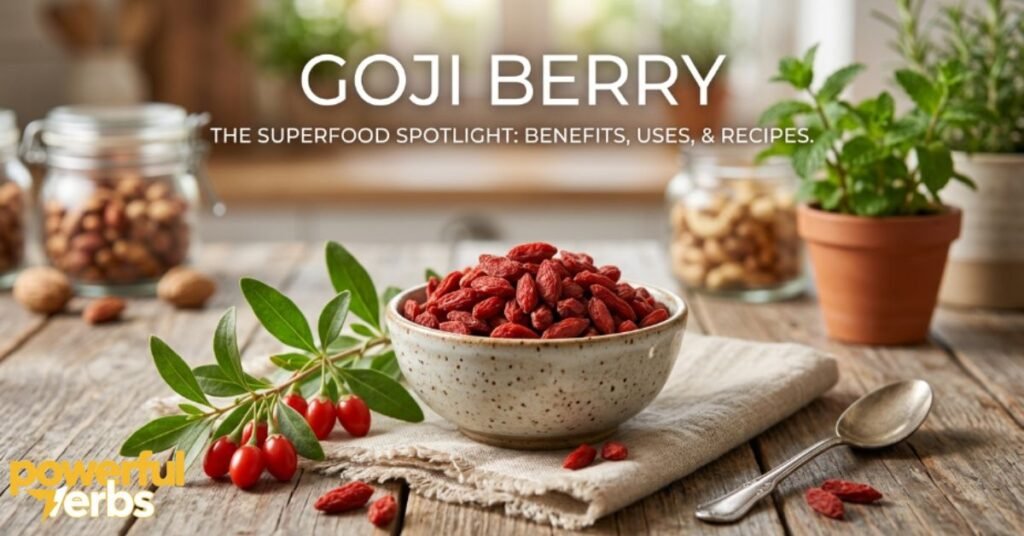
Goji berries are small, bright orange-red berries native to China, prized for centuries in traditional medicine before becoming a global superfood trend. Fresh goji berries carry a mildly sweet, tangy flavor, though most are consumed dried, similar to raisins, in trail mixes, teas, and smoothie bowls. Goji berries are exceptionally rich in antioxidants, containing one of the highest ORAC (oxygen radical absorbance capacity) scores of any fruit tested, alongside zeaxanthin, a carotenoid linked to eye health and protection against age-related vision loss.
Key nutrients: Zeaxanthin, Vitamin A, Iron, Antioxidants (ORAC-high)
Red Fruit (Buah Merah / Marita) — Papua’s Sacred Fruit
Not to be confused with fruits that simply happen to be red, Red Fruit is the literal common name of Pandanus conoideus, a unique tropical fruit native to Papua New Guinea and West Papua, Indonesia. Unlike typical round fruits, it grows in a long, cylindrical shape covered in tightly packed pebbled sections, each concealing tiny seeds beneath a spongy, oily red pulp. Locally called Marita, Buah Merah, or Kuansu, this fruit holds deep cultural significance — it is central to the traditional Bakar Batu (Burnt Stone) ceremony, where its extracted red paste is served over meats and vegetables during weddings, celebrations, and community gatherings. The oil extracted from Red Fruit is also used traditionally as a skin and hair treatment, valued for its high beta-carotene content.
Key nutrients: Beta-Carotene, Vitamin E, Folate, Iron
Red Fruits Nutritional Benefits Chart
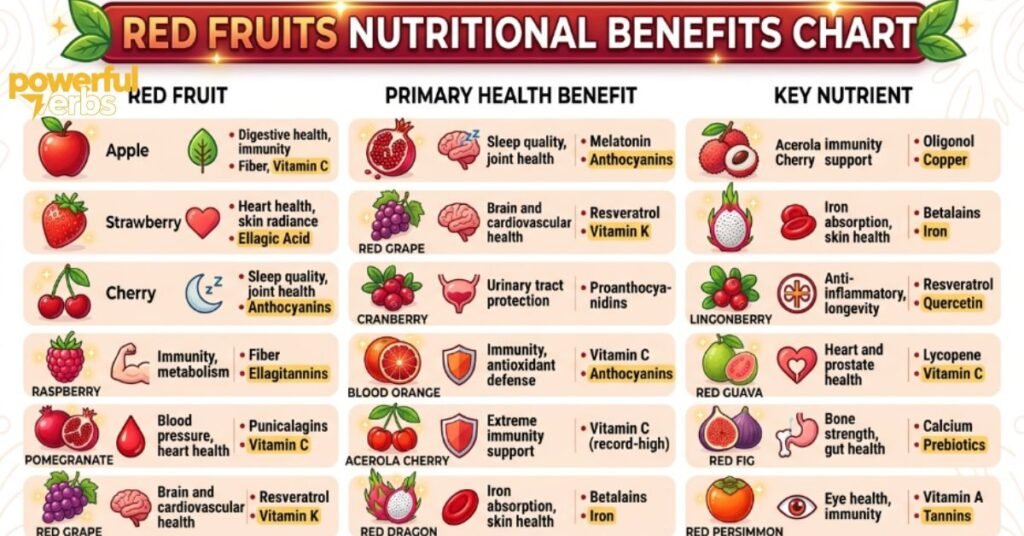
| Red Fruit | Primary Health Benefit | Key Nutrient |
| Apple | Digestive health, immunity | Fiber, Vitamin C |
| Strawberry | Heart health, skin radiance | Vitamin C, Ellagic Acid |
| Cherry | Sleep quality, joint health | Melatonin, Anthocyanins |
| Raspberry | Immunity, metabolism | Fiber, Ellagitannins |
| Pomegranate | Blood pressure, heart health | Punicalagins, Vitamin C |
| Red Grape | Brain and cardiovascular health | Resveratrol, Vitamin K |
| Cranberry | Urinary tract protection | Proanthocyanidins |
| Blood Orange | Immunity, antioxidant defense | Vitamin C, Anthocyanins |
| Lychee | Circulation, anti-inflammation | Oligonol, Copper |
| Acerola Cherry | Extreme immunity support | Vitamin C (record-high) |
| Red Dragon Fruit | Iron absorption, skin health | Betalains, Iron |
| Lingonberry | Anti-inflammatory, longevity | Resveratrol, Quercetin |
| Red Guava | Heart and prostate health | Lycopene, Vitamin C |
| Red Fig | Bone strength, gut health | Calcium, Prebiotics |
| Red Persimmon | Eye health, immunity | Vitamin A, Tannins |
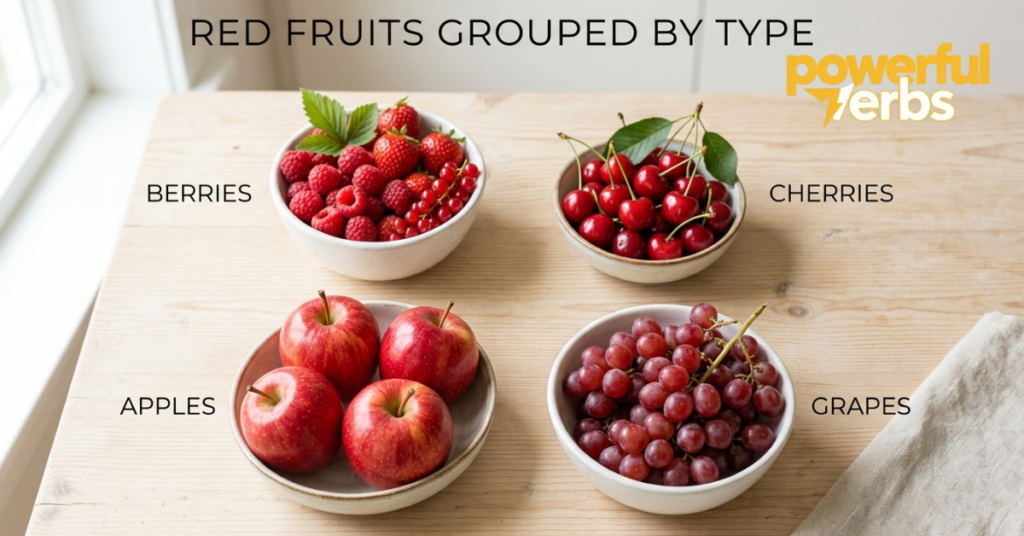
Red Fruits Grouped by Type
Small Red Berries
Small red berries include strawberry, raspberry, cranberry, red currant, lingonberry, bayberry, huckleberry, red elderberry, wild strawberry, and acerola cherry. These berries tend to be highest in antioxidants relative to their size and are excellent additions to smoothies and cereals.
Tropical Red Fruits
Tropical red fruits include lychee, red dragon fruit, red guava, red papaya, red mango, rambutan, red passion fruit, red mombin, and malay apple. These fruits grow in warm climates and are rich in vitamin C, beta-carotene, and exotic phytochemicals not commonly found in temperate fruits.
Red Stone Fruits
Red stone fruits — also called drupes — include cherry, red plum, red peach, red nectarine, cornelian cherry, nanking cherry, sour cherry, and chokecherry. These fruits contain a hard pit inside and are rich in anthocyanins, fiber, and vitamins A and C.
Red Citrus Fruits
Red citrus fruits include blood orange, red tangelo, and some varieties of kaffir lime. These fruits combine the citrus family’s natural vitamin C richness with the anthocyanin antioxidants that give them their distinctive red color.
Exotic and Rare Red Fruits
Rare red fruits include gac fruit (the world’s richest source of lycopene), camu camu (second only to acerola for vitamin C), red pitomba, red cupuaçu, and red cambuca. These exotic fruits are gaining attention from nutritional researchers worldwide for their extraordinary antioxidant profiles.
Why Are Red Fruits Good for You?
1. Rich in Antioxidants
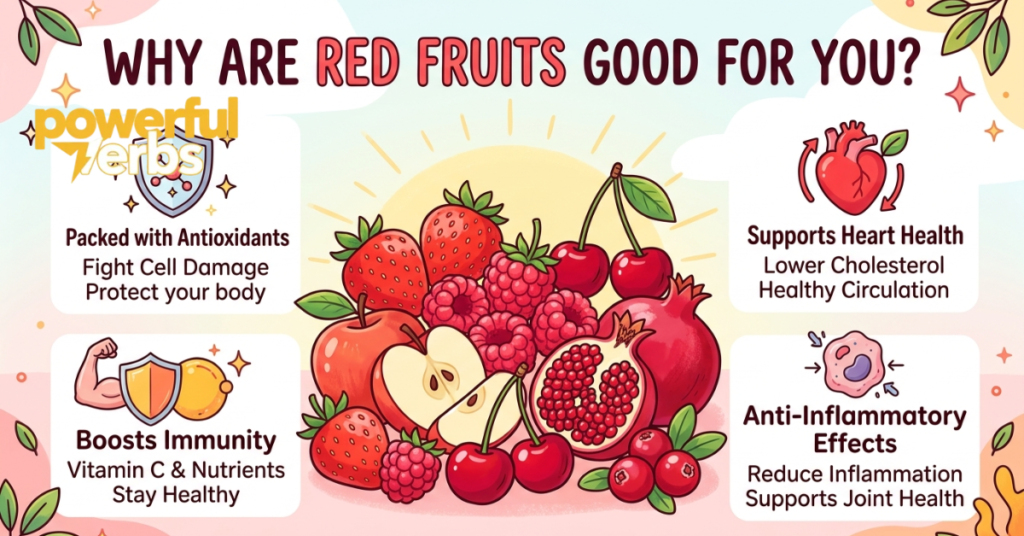
Red fruits contain anthocyanins, lycopene, and resveratrol — three of the most studied antioxidants in nutritional science. These compounds neutralize free radicals, reducing cellular damage associated with aging, cancer, and chronic disease.
2. Heart Health Support
Studies consistently show that people who eat more red fruits have lower rates of cardiovascular disease. Lycopene in red fruits reduces LDL oxidation, resveratrol improves endothelial function, and potassium helps maintain healthy blood pressure.
3. Immune System Boost
Most red fruits are excellent sources of vitamin C, a critical nutrient for white blood cell production and immune response. Acerola cherry and camu camu provide amounts far exceeding daily requirements in a single serving.
4. Digestive Health
The dietary fiber found in apples, figs, pears, and raspberries supports regular bowel movements, feeds beneficial gut bacteria, and reduces the risk of colon cancer. Prebiotics in figs and papaya enzymes further enhance digestive efficiency.
5. Skin and Eye Health
Beta-carotene and vitamin A in red peaches, mangoes, and persimmons support skin cell renewal and protect against UV damage. Lycopene in red guava, tomatoes, and gac fruit provides photoprotection from within.
6. Anti-Inflammatory Properties
Chronic inflammation underlies most major diseases. Anthocyanins in cherries, berries, and red grapes suppress inflammatory pathways, making red fruits a natural dietary intervention for arthritis, heart disease, and metabolic syndrome.
How to Include More Red Fruits in Your Diet
Adding red fruits to your daily meals is easy and delicious:
- Breakfast: Add fresh strawberries, raspberries, or red currants to oatmeal, yogurt, or cereal
- Smoothies: Blend pomegranate juice with frozen cherries and red dragon fruit for a powerful antioxidant drink
- Salads: Toss sliced red pears, cranberries, or blood orange segments into green salads
- Snacks: Keep fresh apples, grapes, or lychees on hand for convenient, nutritious snacking
- Desserts: Use red figs, plums, or raspberries in tarts, crumbles, and compotes
- Sauces: Simmer cranberries, red currants, or lingonberries into savory sauces for poultry and game
Sauces: Simmer cranberries, red currants, or lingonberries into savory sauces for poultry and game
Notice how many of these techniques — simmer, blend, toss, poach — are simple cooking actions you’ll use again and again in the kitchen. Our 60+ cooking verbs guide breaks down dozens more with meanings and examples if you want to expand that vocabulary further.
Red Fruits for Specific Health Goals
Best Red Fruits for Weight Loss
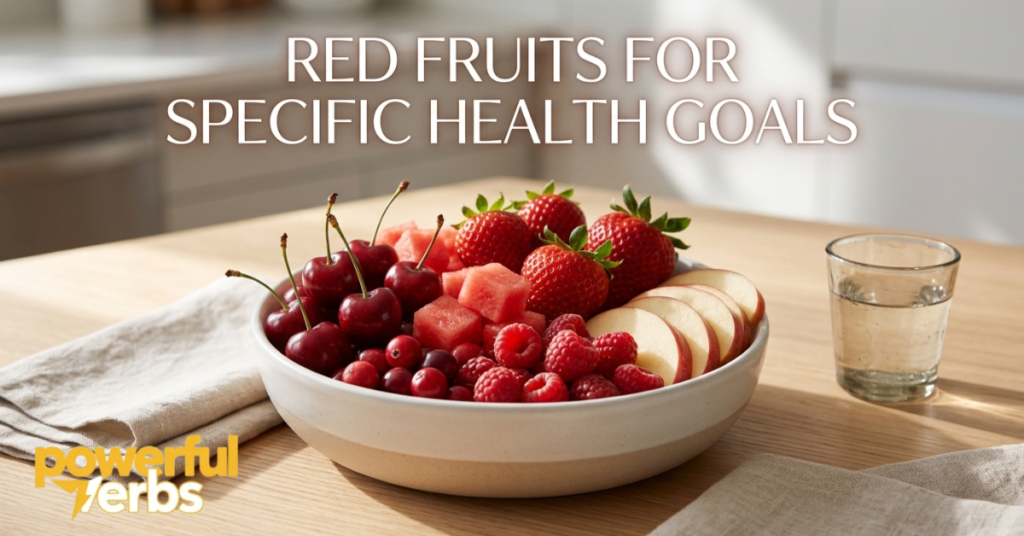
Strawberry, cranberry, red grapefruit, raspberry, and watermelon (red-fleshed) are low in calories, high in water content, and rich in fiber — keeping you full without excess calories.
Best Red Fruits for Immunity
Acerola cherry, camu camu, red kiwi, strawberry, and red guava provide the highest concentrations of vitamin C for immune system support.
Best Red Fruits for Heart Health
Pomegranate, red grape, blood orange, cherry, and lingonberry contain the most cardioprotective compounds including resveratrol, anthocyanins, and potassium.
Best Red Fruits for Skin Health
Red dragon fruit, strawberry, red papaya, red mango, and acerola cherry are highest in vitamin C, vitamin A, and antioxidants that support collagen production and skin brightness.
Best Red Fruits for Sleep
Tart cherry and Morello cherry are the only fruits with significant natural melatonin content, making them the top red fruit choice for people seeking better sleep quality.
FAQs About Red Fruits
Are all red fruits sweet?
No. Many red fruits are tart or sour, including cranberry, red currant, barberry, and sour cherry. Tartness usually indicates high levels of organic acids like citric and malic acid, which also provide health benefits.
Can red fruits help lower blood pressure?
Yes. Pomegranate, red grape, and red berries contain potassium, nitrates, and polyphenols shown in clinical studies to lower systolic blood pressure when consumed regularly.
Are red fruits good for diabetics?
Most red fruits have a low to moderate glycemic index and are safe for people with diabetes in reasonable portions. Berries like strawberries, raspberries, and cranberries are particularly well-suited due to their low sugar and high fiber content.
What red fruit has the most vitamin C?
Acerola cherry (Barbados cherry) has the highest vitamin C content of any known fruit, containing approximately 1,677 mg per 100 grams — more than 1,800% of the daily recommended intake.
Which red fruits are best for children?
Strawberries, apples, cherries, and grapes are among the most child-friendly red fruits due to their sweet flavor, soft texture, and excellent nutritional profile including calcium, iron, and vitamin C.
Is a red tomato a fruit or a vegetable?
Botanically, a tomato is a fruit because it develops from the flower of the plant and contains seeds. Culinarily, tomatoes are used as vegetables. The same applies to red bell peppers.
What gives red fruits their color?
Red fruits get their color from anthocyanins (water-soluble pigments found in berries and grapes), lycopene (a carotenoid in tomatoes and guava), and betacyanins (found in dragon fruit and some beets).
Do red fruits help with inflammation?
Yes. Cherries are particularly well-researched for reducing exercise-induced inflammation and gout symptoms. Red berries broadly reduce markers of oxidative stress and inflammatory cytokines.
What are the 12 most common red fruits?
The twelve most widely consumed red fruits worldwide are: Apple, Strawberry, Cherry, Raspberry, Cranberry, Red Grape, Pomegranate, Lychee, Red Plum, Blood Orange, Red Currant, and Watermelon.
Summary
Red fruits are a powerful and diverse group of foods that offer some of the richest concentrations of antioxidants, vitamins, and phytochemicals found in nature. This guide has covered 130 red fruits — from everyday favorites like strawberries and cherries to rare tropical gems like gac fruit and camu camu.
Including a wide variety of red fruits in your diet provides overlapping layers of nutritional protection: vitamins for immunity, fiber for digestion, polyphenols for heart health, and antioxidants for cellular longevity. Aim to eat at least two to three different red fruits each week to take full advantage of this colorful category of nutrition.
Whether you are a student building your food vocabulary, a home cook seeking new ingredients, or a health-conscious eater looking for evidence-based dietary choices, this complete red fruits reference has everything you need.

Liam Johnson is a dedicated language expert with 4 years of professional experience. He specializes in Grammar, Vocabulary, and Sentence structure.
