
The creator economy has turned subscription platforms into full-time careers for millions of people. OnlyFans and Fansly sit at the center of that shift, letting creators charge fans directly for exclusive photos, videos, livestreams, and private messages instead of relying on ad revenue or brand deals. While most people associate both sites with adult content, the reality is broader — fitness coaches, musicians, digital artists, cosplayers, and lifestyle influencers all use these platforms to monetize a loyal audience.
Because the two services look so similar on the surface, new creators and curious subscribers often treat them as interchangeable. They aren’t. The way each platform handles pricing, discovery, payouts, and content control can change how much a creator earns and how easily a fan finds new people to support. This guide breaks down exactly how Fansly and OnlyFans differ, where each one wins, and how to decide which fits your situation.
see also: 60+ Spiky Fruits From Around the World With Pictures, Names & Fun Facts
What Is OnlyFans?
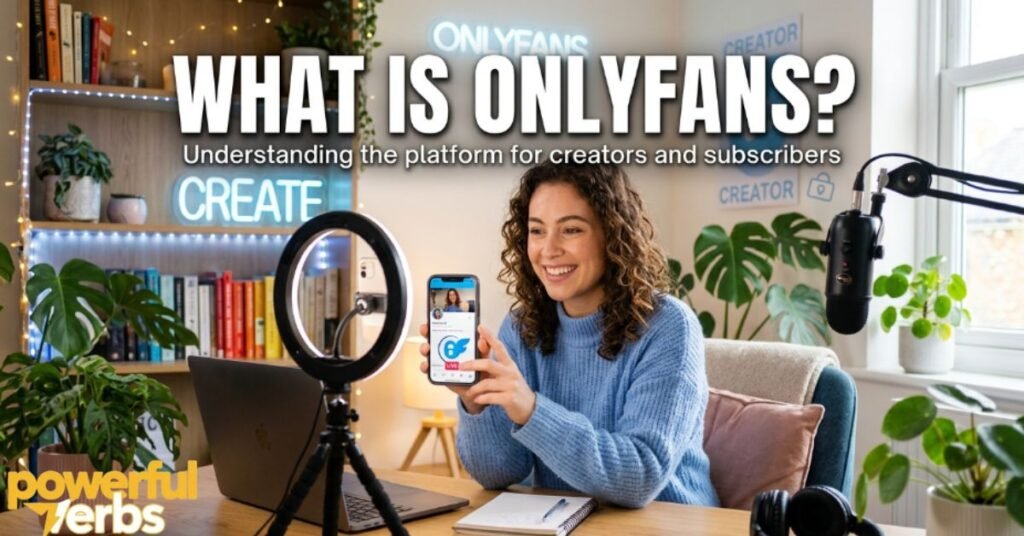
OnlyFans launched in 2016 and has since become the most recognizable name in paid content subscriptions. Its model is intentionally simple: a creator sets one subscription price between $4.99 and $49.99 per month, fans pay that price for full access to the feed, and the creator adds extra income through pay-per-view (PPV) posts, paid direct messages, tips, custom content requests, and live broadcasts.
That simplicity is also its biggest limitation. Every account runs on a single subscription tier — there’s no built-in way to offer a cheaper “starter” level and a pricier “VIP” level on the same page, though creators can run discounted multi-month bundles to soften that restriction. Content also lives in one chronological feed with limited tagging or categorization, so older posts tend to get buried as a profile grows.
OnlyFans takes a flat 20% cut of everything a creator earns — subscriptions, tips, PPV unlocks, and custom orders alike — and pays out on a rolling weekly basis. The platform doesn’t offer a dedicated discovery feed inside the app, so most of the growth burden falls on the creator’s own marketing through Twitter/X, Instagram, Reddit, and TikTok. What OnlyFans lacks in built-in promotion, it makes up for with sheer scale: it’s the platform fans already know, which makes converting outside traffic into paying subscribers noticeably easier.
What Is Fansly?

Fansly arrived in 2020 as a direct response to the gaps creators kept pointing out on OnlyFans, and its feature set reflects that. The headline difference is tiered subscriptions — a single creator can run up to five separate pricing levels (say, a $9.99 basic tier, a $24.99 mid-tier, and a $49.99 premium tier), each unlocking a different slice of content. Fans essentially choose their own spending level instead of being stuck with one all-or-nothing price.
Fansly also layers in a freemium structure: anyone can follow a creator for free and see public posts, which gives the platform a built-in funnel for turning casual browsers into paying subscribers. Its “For You Page” works like a recommendation feed, surfacing creators to fans who never typed in a direct link — something OnlyFans simply doesn’t offer natively.
Other practical advantages include PPV posts with a blurred preview (so buyers see a hint of what they’re unlocking before they pay), more granular permission settings for who can view which post, segmented mass messaging based on a fan’s spend or tier, and payout options that include crypto and Paxum alongside standard bank transfers.
The trade-off is reach. Fansly’s audience and overall traffic are still a fraction of OnlyFans’, so a creator who shows up with zero outside following will typically convert fewer total subscribers, even with better in-app tools working in their favor. Fansly’s commission structure matches OnlyFans exactly at 20%, so the difference between the two platforms isn’t about who charges less — it’s about which set of tools turns into more revenue for your specific content and audience.
Fansly vs OnlyFans at a Glance
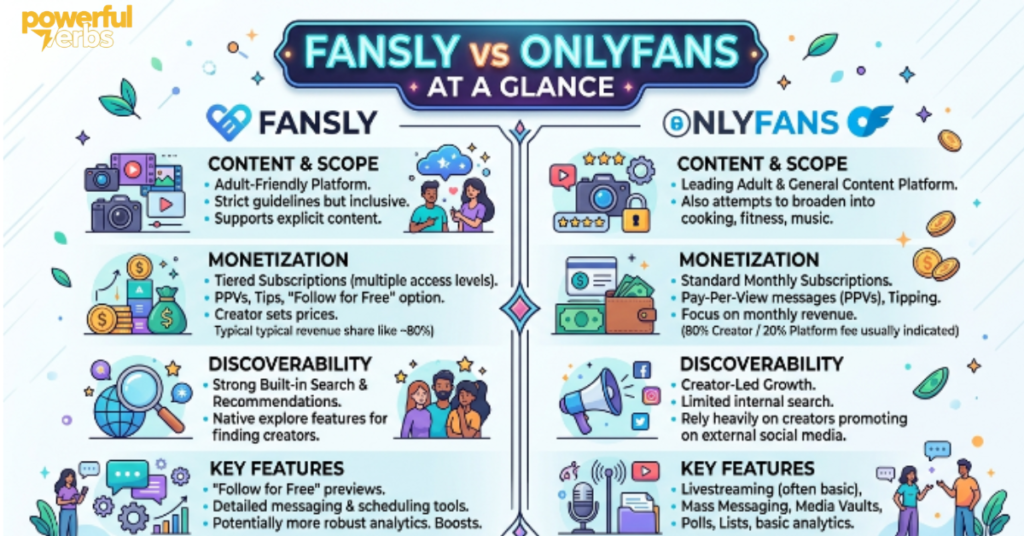
| Category | OnlyFans | Fansly |
| Founded | 2016 | 2020 |
| Subscription structure | Single price per account | Up to 5 tiers per account |
| Free follow option | Limited | Built in by default |
| In-app discovery | Minimal — relies on outside promotion | “For You Page” recommendation feed |
| Platform fee | 20% | 20% |
| PPV preview | Text description only | Blurred image/video preview |
| Payout methods | Bank transfer | Bank transfer, Paxum, crypto |
| Payout schedule | Rolling 7-day | Similar rolling schedule |
| Audience size | Larger, mainstream recognition | Smaller, faster-growing |
| Best suited for | Creators with an existing following | Creators wanting tier flexibility and discovery |
Where the Two Platforms Really Diverge
Pricing Flexibility
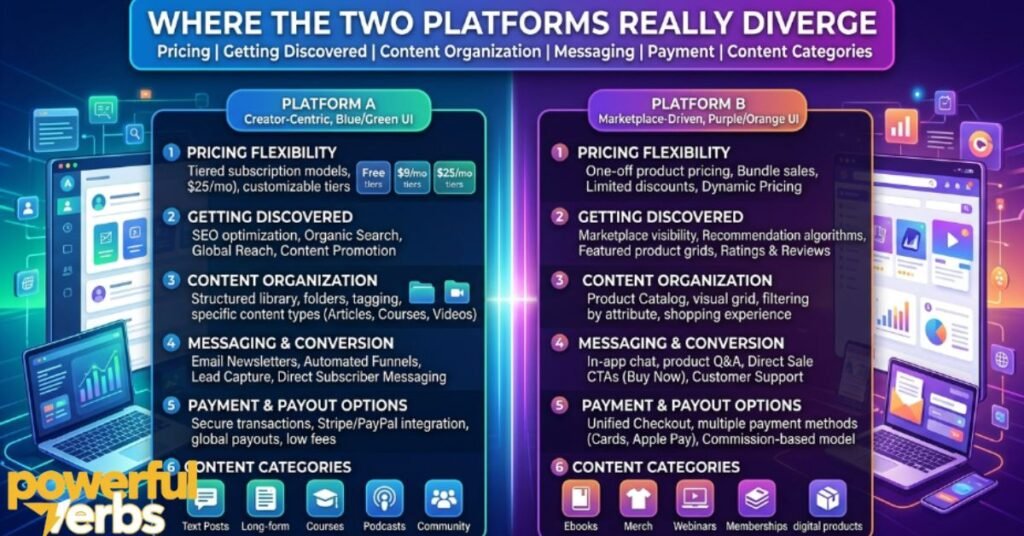
A single OnlyFans page can only carry one subscription price at a time, which keeps pricing easy to manage but caps how much a superfan can be encouraged to spend through the subscription itself. Fansly’s multi-tier system turns that limitation into a feature: casual fans pay less for basic access while dedicated subscribers pay more for exclusive perks, all without leaving the same profile.
Getting Discovered
This is arguably the sharpest dividing line between the two. OnlyFans expects creators to bring their own audience from social media, since there’s no meaningful in-app search or recommendation system pushing new fans toward a profile. Fansly’s For You Page actively suggests creators to browsing fans, giving newer accounts a realistic shot at organic growth without an existing following elsewhere.
Content Organization
OnlyFans posts stack chronologically with only basic pinning and labeling, meaning a creator’s back catalog effectively disappears under newer content over time. Fansly supports collections, categories, and a searchable media library, so older paid content keeps earning instead of going stale.
Messaging and Conversion Tools
Both platforms support tipping and paid direct messages, but Fansly’s messaging dashboard lets creators filter and target fans by spending history or tier level before sending a mass message — a feature that tends to lift PPV conversion rates. OnlyFans keeps messaging more straightforward, which some creators prefer simply because there’s less to manage.
Payment and Payout Options
OnlyFans payouts run through standard bank transfers only. Fansly broadens that with support for Paxum and cryptocurrency payouts, which matters for creators in regions where traditional banking restricts adult-content-related deposits.
Content Categories Supported
Neither platform restricts itself to adult content alone. Fitness trainers post workout programs and meal plans, musicians share unreleased tracks and behind-the-scenes clips, and artists sell process videos or commissioned pieces on both sites. OnlyFans’ brand recognition gives non-adult creators an easier time explaining the platform to a mainstream audience, while Fansly’s tiering suits creators who want to bundle a free community tier with a paid premium one.
Content Policy Stability
Policy history matters more to creators than it might seem. OnlyFans briefly announced in 2021 that it would ban sexually explicit content, then reversed the decision days later after significant creator pushback — a reminder that payment-processor and investor pressure can still shape platform rules even years later. Fansly has generally positioned itself as more consistently permissive on content policy, though both platforms require standard identity verification and both can and do update their guidelines over time. Neither platform is immune to future policy shifts, which is one more reason many creators hedge by maintaining a presence on both.
see also:Top 120+ Collective Nouns Examples in Sentences in English
Which Platform Should You Choose?
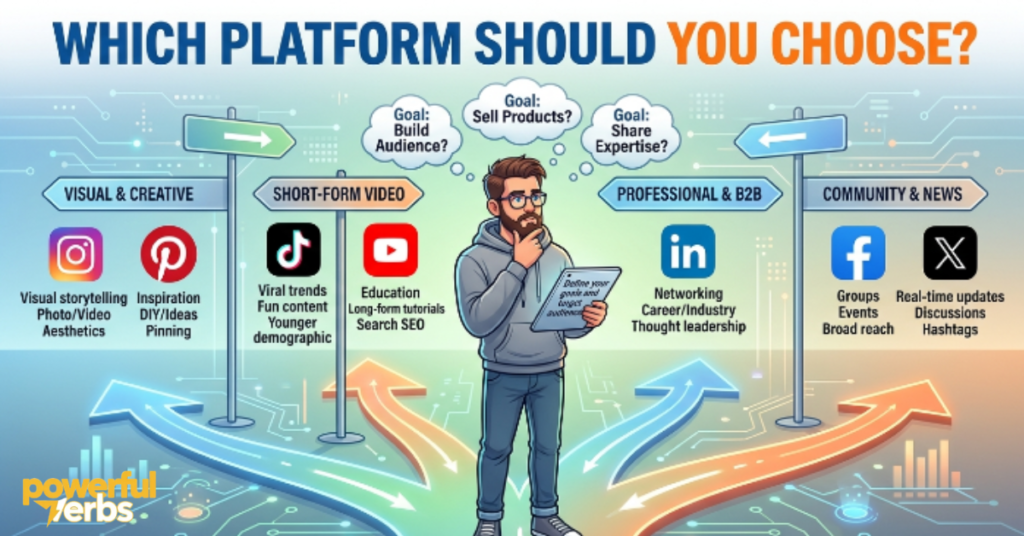
Pick OnlyFans If You Already Have an Audience
If you’re moving an existing following from Instagram, TikTok, or X onto a paid platform, OnlyFans’ brand familiarity reduces friction — fans already understand how the platform works and trust it enough to enter payment details. A single, predictable subscription price also keeps the business side simple while you focus on content.
Pick Fansly If You’re Starting From Zero or Want Tier Control
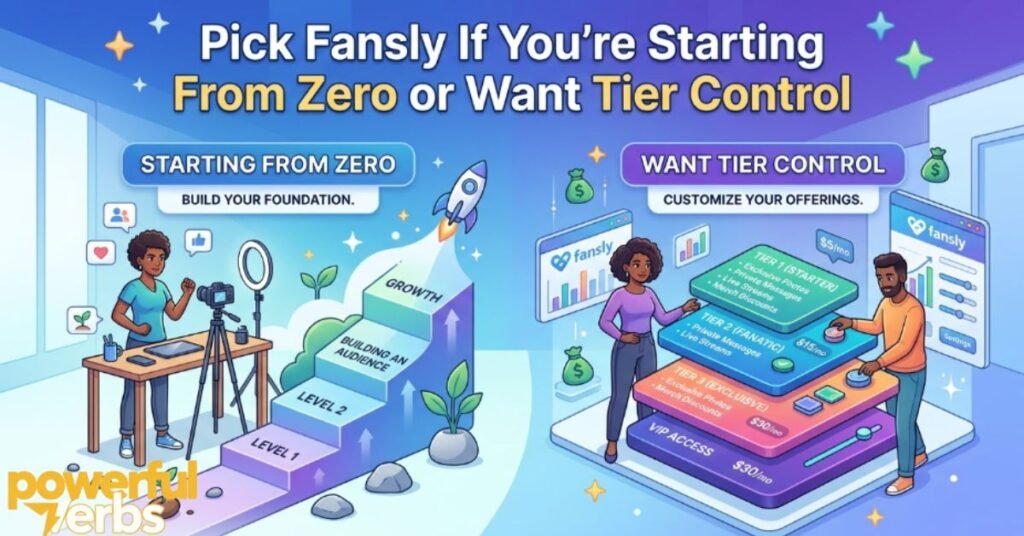
New creators without a built-in audience benefit most from Fansly’s discovery feed, since it gives strangers a way to find a profile organically. The tiered pricing model also rewards creators who want to segment a niche audience — offering a low-cost entry point alongside a premium tier for the fans willing to pay more for deeper access.
Can You Run Both Platforms at Once?
Plenty of creators do exactly that. A common approach is treating OnlyFans as the primary, broadly-promoted page while running Fansly as a secondary account that captures fans through its discovery feed and tiered pricing. Nothing in either platform’s terms prevents dual accounts, though most creators keep at least some content exclusive to each platform so subscribers on both sides still feel like they’re getting something unique for their money.
Final Thoughts
Neither platform is objectively “better” — they’re built around different strengths. OnlyFans wins on name recognition and audience size, which matters most to creators who already have outside traffic to direct toward a profile. Fansly wins on built-in discovery and pricing flexibility, which matters most to creators starting fresh or wanting to monetize different fan segments at different price points. The 20% commission is identical on both, so the real decision comes down to which feature set matches how you plan to grow and price your content.
see also: 22th or 22nd: Which Is Correct? Grammar Guide (2026)
FAQs
Is Fansly basically the same platform as OnlyFans?
They share the same core idea — paid subscriptions for exclusive content — but the structure differs. Fansly supports multiple pricing tiers and an in-app discovery feed, while OnlyFans runs on a single subscription price and relies on outside promotion for growth.
Which platform charges a lower fee, Fansly or OnlyFans?
Neither. Both platforms take a flat 20% commission on subscriptions, tips, PPV content, and custom orders, so creators keep 80% either way.
Can a brand-new creator earn more on Fansly than OnlyFans?
It’s possible, mainly because Fansly’s discovery feed can surface a profile to fans who’ve never heard of the creator before. OnlyFans’ larger overall audience can offset that advantage for creators willing to invest heavily in outside marketing instead.
Is Fansly a safe and legitimate platform to join?
Yes. Fansly is a registered company that requires standard identity verification for creators and runs the same kind of secure payment processing used by OnlyFans and similar subscription platforms.
Do I need an existing following before joining either platform?
Not strictly, but it helps more on OnlyFans, where limited internal discovery means most early traffic has to come from social media. Fansly’s recommendation feed gives new creators a slightly better chance of picking up fans organically.
Can I switch from OnlyFans to Fansly later, or use both?
Yes to both. There’s no rule against running parallel accounts, and creators frequently migrate or expand to a second platform once they see which one converts better for their specific content and audience.

Liam Johnson is a dedicated language expert with 4 years of professional experience. He specializes in Grammar, Vocabulary, and Sentence structure.
