

Introduction
Slang has taken over digital communication. From texts to social media, short abbreviations like “IDM” are everywhere. Knowing what they mean helps you keep up with modern conversations.
“IDM” is one of the most casual and friendly slang terms used today. People use it to show they are flexible and easy-going. It saves time and keeps chats light and simple.
What Does IDM Mean?
IDM stands for “I Don’t Mind.” It means the person is okay with whatever is being suggested. It shows agreement without strong feelings either way.
In simple words, when someone says “IDM,” they are saying, “Go ahead, I’m fine with it.” It is a relaxed way to agree. It does not mean excitement, just acceptance.
Quick Examples of IDM in Text
Here are some natural chat examples of how IDM is used:
Example 1: “Do you want pizza or burgers tonight?” “IDM, you pick.”
Example 2: “Can we move the plan to Sunday?” “IDM, Sunday works too.”
Example 3: “I’ll send the file later. Is that okay?” “IDM, take your time.”
Example 4: “Should I call or text you?” “IDM, either is fine.”
Key Takeaways About IDM
- IDM means “I Don’t Mind.”
- It shows a relaxed, flexible attitude
- Used mostly in casual texting and chats
- Not suitable for formal or professional writing
- It can sometimes sound cold if used without warmth
- Context matters a lot when using IDM
Where Did IDM Come From?
IDM came from internet slang culture in the early 2000s. As texting became popular, people started shortening phrases to save time. Abbreviations like IDK, IDC, and IDM became part of everyday digital language.
These short forms spread quickly through social media, forums, and chat apps. Teens and young adults used them the most. Over time, they became normal parts of online conversations worldwide.
How IDM Is Used in Different Situations
In Text Messages
IDM is most common in personal text messages. Friends use it when making plans or choosing between options. It keeps the conversation quick and stress-free.
In Social Media (Comments & DMs)
On platforms like Instagram or Twitter, IDM appears in comment sections and direct messages. Someone might reply IDM to a poll or a suggestion. It fits perfectly in short, fast-moving social media conversations.
In Gaming Chats
Gamers use IDM when teammates are picking roles, maps, or strategies. It signals that the player is flexible and ready to go with the group. It keeps the team communication smooth and fast.
In Group Conversations
In group chats, IDM is used to avoid conflict or debate. When everyone has different opinions, one person says IDM helps move things forward. It is a simple way to show cooperation.
Tone and Hidden Meanings of IDM
Friendly / Easygoing Tone
When used warmly, IDM sounds open and cooperative. For example, “IDM at all, let’s do what you want!” feels positive. It shows trust and a good attitude.
Neutral or Passive Tone
Sometimes IDM just means the person has no strong opinion. It is not positive or negative — just neutral. This is the most common use of the word.
Cold or Dismissive Tone
If someone says just “IDM” with no extra words, it can feel cold. It might seem like the person does not care at all. Adding a smiley or a follow-up line can fix this easily.
IDM in Professional Communication
When You Should Avoid Using IDM
IDM should not be used in formal emails, reports, or professional messages. It looks unprofessional and careless in a work setting. Bosses or clients may not understand it or may take it the wrong way.
Better Alternatives in Formal Writing
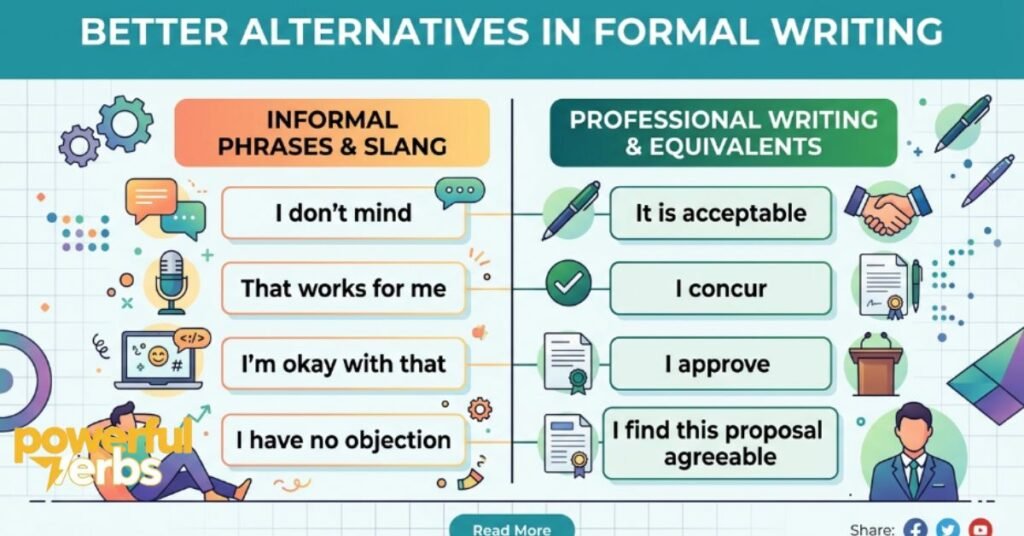
| Slang | Professional Alternative |
| IDM | I don’t mind |
| IDM | That works for me |
| IDM | I’m okay with that |
| IDM | I have no objection |
When It Might Be Acceptable
- Informal team chats (like Slack or WhatsApp groups)
- Casual workplace culture where slang is normal
- Conversations with close colleagues you know well
IDM in Online Communities & Dating Apps
How It’s Used in Conversations
On dating apps like Tinder or Bumble, IDM comes up when planning dates or choosing activities. It shows flexibility, which is generally a positive trait. However, using it too much can make someone seem uninterested.
Tips for Using IDM in Dating Chats
- Avoid sounding uninterested—add a warm follow-up like “IDM, both sound fun!”
- Add warmth if needed—a simple emoji after IDM changes the whole tone
- Balance it out—also share your own opinions so the other person feels heard
IDM vs Similar Slang Terms
| Term | Full Form | Key Difference |
| IDM | I Don’t Mind | Shows flexibility and acceptance |
| IDC | I Don’t Care | Sounds more careless or cold |
| IDK | I Don’t Know | Shows uncertainty, not agreement |
| NVM | Never Mind | Cancels a topic or request |
IDM is softer than IDC. IDC can sound rude, while IDM sounds polite. Always pick the right one based on your tone and relationship with the person.
Common Slang Related to IDM
- IDC — I Don’t Care
- IDK — I Don’t Know
- IMO — In My Opinion
- TBH — To Be Honest
- NVM — Never Mind
- BRB — Be Right Back
- FYI — For Your Information
- SMH — Shaking My Head
How to Respond to IDM
Casual Replies
- “Okay, cool, let’s go with option A then!”
- “Alright, I’ll decide.”
- “Perfect, see you at 7!”
Friendly Replies
- “Haha, okay, I’ll pick. You sure?”
- “Great, then let’s do pizza!”
- “Okay, love, I’ll handle it. 😊”
Professional Replies
- “Understood. I’ll proceed with the earlier plan, then.”
- “Got it; I’ll finalize the details.”
Funny Replies
- “You always say IDM and then have opinions. 😂”
- “IDM too… so now what?”
- “Classic IDM answer lol.”
Regional and Cultural Differences
United States & United Kingdom
In the US and UK, IDM is very commonly understood. Young people use it freely in texts and online chats. It is a normal part of their digital vocabulary.
South Asia (India, Pakistan, etc.)
In South Asian countries, IDM is growing in popularity among younger generations. Urban youth who use English slang online are familiar with it. It mixes naturally with local chat styles and Hinglish conversations.
Formal vs Informal Cultures
In cultures where formal respect is important, IDM can feel too casual. People in those settings prefer full sentences even in texts. Knowing your audience helps you decide whether to use IDM or not.
Common Mistakes When Using IDM
- Using it in formal emails—it looks unprofessional and confusing to older readers.
- Sounding uninterested unintentionally—just saying “IDM” with nothing else can feel cold or lazy.
- Confusing it with IDC—IDM is polite and flexible; IDC sounds like you do not care at all.
Final Thoughts
IDM is a simple but powerful slang term that makes texting easier and more natural. It shows you are flexible, easy-going, and not difficult to deal with. Used in the right place, it keeps conversations smooth and friendly.
Just remember, context is everything. Use IDM with friends, in casual chats, and in relaxed settings. In formal or professional situations, always write it out the full way to sound respectful and clear.
Frequently Asked Questions
1. What does IDM mean when someone sends it in a text message?
IDM stands for “I Don’t Mind” in texting—it’s used to express that you’re okay with something or have no strong preference about a decision.
2. How do you use IDM in a conversation over text or chat?
You use IDM by sending it as a reply when you’re indifferent or agreeable—for example, if someone asks, “Pizza or tacos tonight?” You can simply reply, “IDM; either works!”
3. Is IDM the same as saying I don’t care in a text message?
Not exactly—IDM means “I Don’t Mind,” which is polite and flexible, while “I don’t care” can sound dismissive; IDM carries a more easygoing, agreeable tone in casual texting.
4. When is it appropriate to use IDM in a text or online message?
IDM is appropriate when you’re genuinely flexible about a choice — like picking a restaurant, movie, or meeting time — and want to let the other person decide without sounding indifferent or rude.
5. Can IDM mean something different depending on the context it’s used in?
Yes—while IDM most commonly means “I Don’t Mind” in texting, it can also refer to Intelligent Dance Music in music discussions or Internet Download Manager in tech contexts, so context always matters.
6. What is an example of IDM being used correctly in a text message?
A perfect example is “Do you want to meet at 5 or 6 PM?”—”IDM, whatever suits you best!” —This shows flexibility and keeps the conversation friendly and low-pressure.
7. Is IDM a formal or informal abbreviation to use in messages?
IDM is strictly an informal slang abbreviation best used in casual texting, social media, or messaging apps—it is not appropriate for professional emails, business chats, or formal written communication.
8. How is IDM different from other similar texting abbreviations like IDC or NVM?
IDM (I Don’t Mind) shows you’re open and agreeable; IDC (I Don’t Care) sounds more detached or indifferent; and NVM (Never Mind) means you’re dropping a topic—each carries a noticeably different tone and intention.
9. Do teenagers and young adults commonly use IDM in everyday texting?
Yes—IDM is widely used among Gen Z and millennials in everyday texting and social platforms like Snapchat, Instagram DMs, and WhatsApp as a quick, low-effort way to express flexibility or agreement.
10. How can understanding IDM and other texting slang help you communicate better online?
Knowing abbreviations like IDM helps you respond faster, sound more natural in digital conversations, and avoid misunderstandings — especially when chatting with younger audiences or in fast-moving group chats.

Liam Johnson is a dedicated language expert with 4 years of professional experience. He specializes in Grammar, Vocabulary, and Sentence structure.
