

Have you ever noticed how rare blue fruits actually are in nature?Walk through any market and you will spot red apples, yellow bananas, and green grapes everywhere. But truly blue fruits? They are hiding in plain sight and once you start noticing them, you will find them absolutely fascinating.
I became curious about blue fruits after someone asked me to name five of them. I could barely name three. That moment pushed me to explore deeper — and what I discovered changed how I look at fruit entirely.
Blue fruits are not just visually stunning. They carry some of the most powerful plant compounds found in any food group. This complete guide covers 55+ blue fruits with names, photos, taste profiles, health benefits, and culinary uses — everything you need in one place.
What Are Blue Fruits?
Blue fruits are fruits that naturally display a blue, blue-black, or bluish-purple color on their skin, flesh, or both.
This distinctive color comes from powerful plant pigments called anthocyanins — water-soluble compounds found in the cell walls of blue and purple-toned fruits. These pigments do far more than create color. They act as potent antioxidants inside the human body, protecting cells from oxidative damage and inflammation.
Blue fruits range from tiny wild berries no bigger than a pea to large stone fruits and even tropical varieties with blue-toned skin. They grow across forest floors, mountain regions, tropical climates, and even home gardens worldwide.
Why Blue Fruits Are Rare
True blue is one of the rarest colors in the entire plant kingdom.
Unlike red or yellow pigments, blue coloration in fruits requires a very specific combination of anthocyanin compounds and cellular pH levels to appear genuinely blue rather than purple or black.
Most fruits described as “blue” are technically blue-purple or blue-black. Only a handful — like bilberries and certain honeyberries — display a color close to true blue.
This rarity makes blue fruits especially prized by botanists, chefs, and health researchers alike.
Why Blue Fruits Are Incredibly Healthy
Blue fruits consistently rank among the most nutritious foods available in nature:
- Anthocyanins — Powerful antioxidants that protect heart health, reduce inflammation, and support brain function
- Vitamin C — Strengthens immune response and supports collagen production for healthy skin
- Vitamin K — Essential for blood clotting and bone density maintenance
- Dietary Fiber — Supports gut health, improves digestion, and regulates blood sugar levels
- Resveratrol — Found in blue grapes and berries — supports cardiovascular health and longevity
- Manganese — Supports bone formation, energy metabolism, and antioxidant enzyme activity
- Polyphenols — Plant compounds linked to reduced risk of chronic disease and improved cognitive function
Including blue fruits regularly in your diet is one of the most effective natural strategies for long-term health.
Complete List of 55+ Blue Fruits
Common Blue Fruits
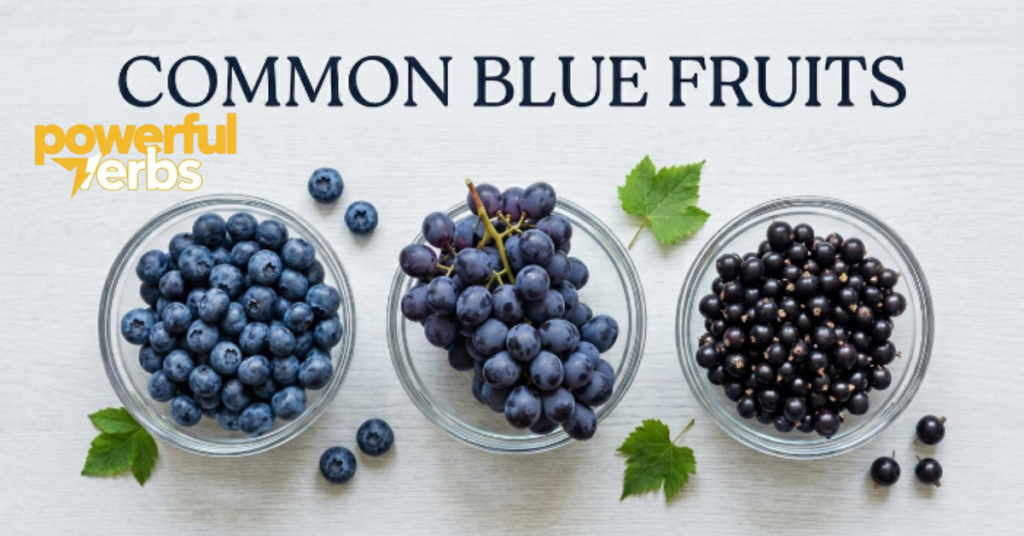
1. Blueberry Small round berry with deep blue skin and pale flesh. Mild sweet-tart flavor — one of the most antioxidant-rich foods on earth. Eaten fresh, frozen, baked, or blended into smoothies.
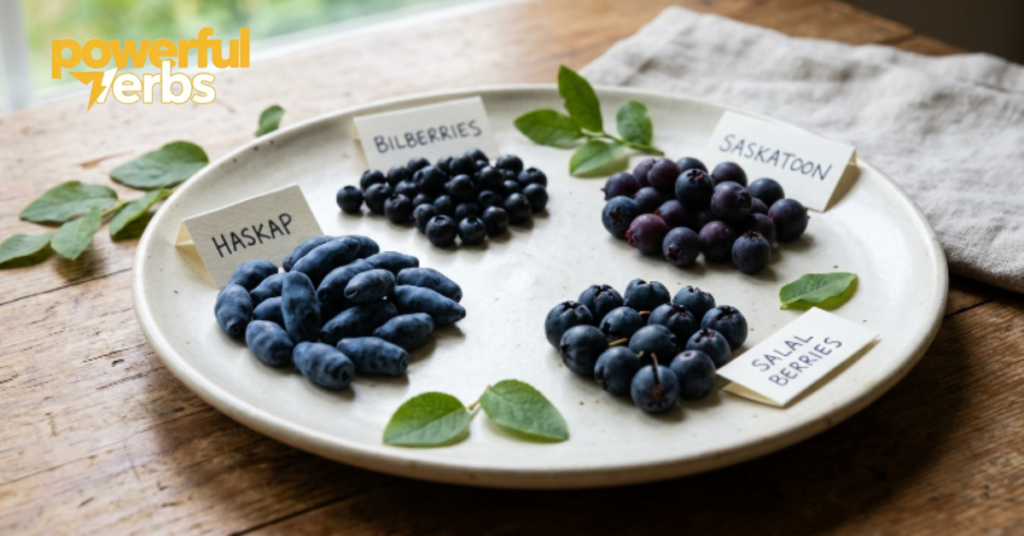
2. Bilberry Wild European berry with dark blue skin and deeply pigmented blue-purple flesh. More intense flavor than blueberry — traditionally used in jams, pies, and natural eye health remedies.
3. Concord Grape Large dark blue grape with bold, rich sweetness. Thick skin with a characteristic musky aroma — the classic choice for grape juice, jelly, and traditional wines.
4. Blue Plum Medium-sized plum with deep blue-purple skin and juicy yellow-green flesh. Sweet-tart balance — excellent eaten fresh, baked into tarts, or preserved as jam.
5. Damson Plum Small oval plum with dark blue-purple skin and firm, tart flesh. Too sharp for most people when raw — transforms beautifully into rich preserves, gin, and baked goods.
6. Black Currant Tiny dark blue-black berries growing in clusters. Intensely tart and aromatic — powerhouse of vitamin C and anthocyanins. Widely used in juices, cordials, and jams across Europe.
7. Elderberry Small blue-black berries growing in large drooping clusters. Must be cooked before eating — raw berries can cause nausea. Beloved in syrups, teas, wines, and immune-boosting remedies.
8. Huckleberry Wild blue-black berry found across North American forests. Sweet-tart flavor similar to blueberry but more intense and earthy. Eaten fresh or used in pies and syrups.
9. Sloe (Blackthorn Berry) Tiny blue-black berry with powdery bloom on its skin. Intensely astringent when raw — softens after frost or freezing. Famous for flavoring sloe gin and traditional preserves.
10. Blue Grape (Various Varieties) Dark blue to blue-black skinned grapes with sweet juicy flesh. Rich in resveratrol and antioxidants — eaten fresh, dried into raisins, or pressed into wine and juice.
Wild and Forest Blue Fruits
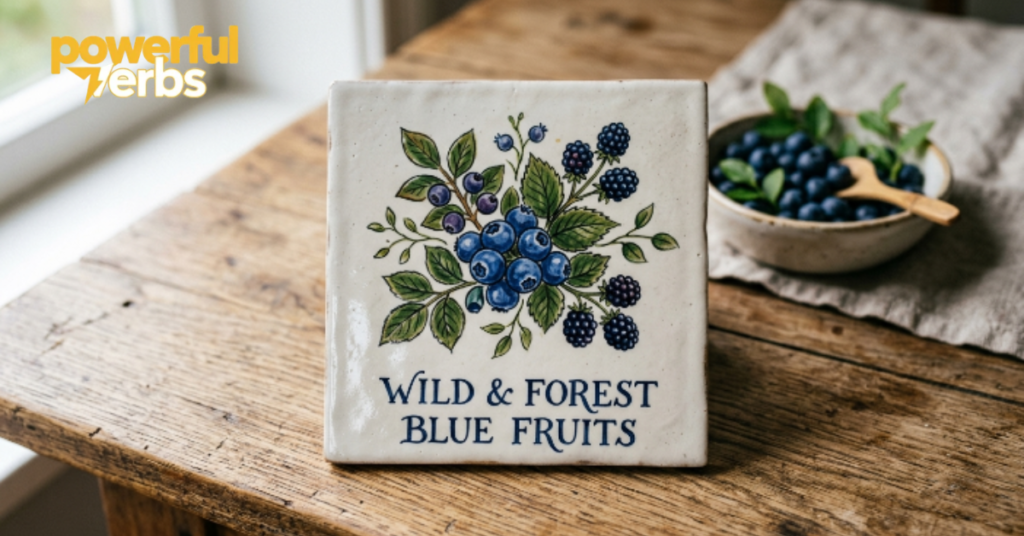
11. Honeyberry (Haskap) Elongated blue berry with thin edible skin and sweet-tart purple flesh. One of the earliest ripening fruits of the season — high in anthocyanins and vitamin C.
12. Serviceberry (Saskatoon Berry) Small blue-purple berry with sweet, nutty, almond-like flavor. Grows wild across North America — eaten fresh, dried like raisins, or baked into pies and muffins.
13. Oregon Grape Tart blue-purple berries from a thorny evergreen shrub. Too sour to eat raw in large quantities — used in jellies, syrups, and traditional herbal medicine for digestive support.
14. Maqui Berry Deep blue-purple berry from Patagonian forests in Chile and Argentina. One of the highest antioxidant contents of any known fruit — consumed fresh or as powder and supplements.
15. Black Huckleberry Small dark blue wild berry with an earthy, sweet-tart taste. Grows in mountain forests across western North America — prized by foragers and wildlife alike.
16. Juneberry (Serviceberry) Blue-purple berry with mild sweetness and a hint of almond. Ripens early in June — eaten fresh off the bush, dried, or used in preserves and baked goods.
17. Bilberry (Bog Bilberry) Smaller cousin of the common bilberry — found in bogs and wet moorlands. Deep blue skin with intensely flavored flesh — used in traditional Scandinavian desserts and remedies.
18. Crowberry Tiny blue-black berry growing on low shrubs in Arctic and subarctic regions. Very tart and watery — consumed by indigenous communities fresh or in traditional fermented foods.
19. Blue Honeysuckle Elongated blue berry from edible honeysuckle varieties. Honey-sweet flavor with a soft, melt-in-mouth texture — among the earliest fruits to ripen each spring.
20. Wild Blue Indigo Berry Small dark blue berry from wild indigo shrubs. Rarely consumed due to mild toxicity — primarily noted in botanical studies and traditional plant medicine.
Exotic and Rare Blue Fruits
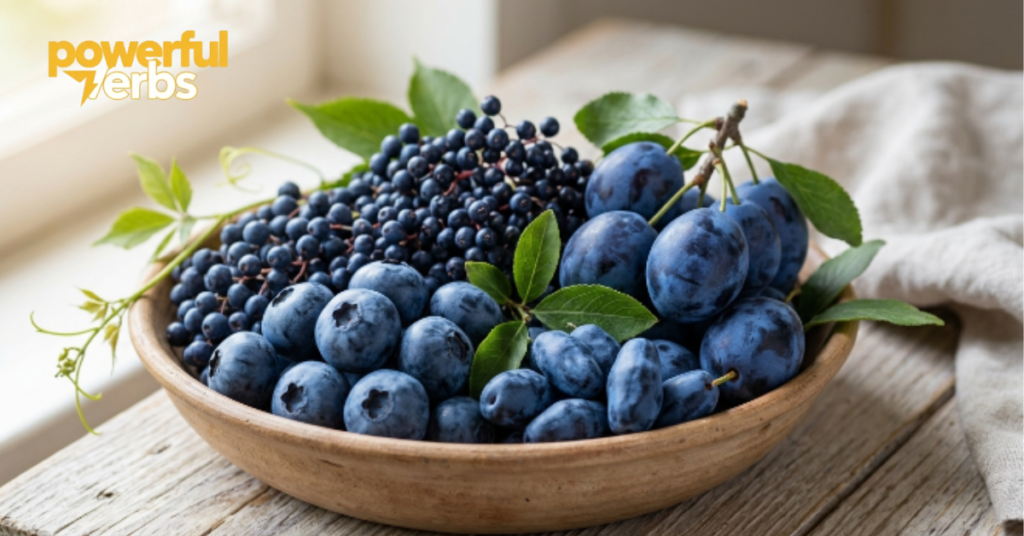
21. Jabuticaba Extraordinary Brazilian fruit that grows directly on the trunk and branches of its tree. Dark blue-black skin with sweet, grape-like translucent flesh. Eaten fresh — ferments within days of harvest.
22. Blue Java Banana Unusual banana variety with silvery blue-green peel that turns pale yellow when ripe. Creamy, soft flesh with a distinctive vanilla ice cream-like flavor — grown in Southeast Asia and Hawaii.
23. Myrtle Berry (Blue Variety) Small aromatic blue berry from Mediterranean myrtle shrubs. Mildly sweet with floral, slightly spiced notes — used in traditional Sardinian liqueur mirto and desserts.
24. Blue Dragon Fruit (Pitaya Azul) Extremely rare dragon fruit variety with bluish-toned skin. White or pale flesh with mild sweetness — largely experimental and found only in specialty tropical cultivation.
25. Blue Fig A fig variety displaying blue-toned skin when fully ripe. Soft, honey-sweet flesh with pink interior — eaten fresh or dried. Less common than purple or green fig varieties.
26. Blue Sausage Fruit (Decaisnea) Long, sausage-shaped blue fruit from Himalayan and Chinese mountain regions. Striking metallic blue skin with sweet, jelly-like translucent flesh — eaten fresh by scooping out seeds.
27. Brazilian Blueberry (Jaboticaba Relative) Tropical dark blue berry growing in clusters. Mildly sweet with smooth skin — eaten fresh or used in juices and liqueurs across Brazilian markets.
28. Blue Currant Rare currant variety with distinctive bluish skin. Mildly tart flavor similar to red currant — used in jams, traditional European recipes, and fruit syrups.
29. Jostaberry Hybrid cross between black currant and gooseberry. Dark blue-black skin with sweet-tart flavor combining both parent fruits. High in vitamin C — eaten fresh or preserved.
30. Blue Mayhaw Rare blue-skinned variation of the mayhaw berry. Tart and firm — traditionally harvested in American Southern swamps and made into prized regional jellies and syrups.
Blue Stone Fruits and Plum Varieties
31. Mirabelle Plum (Blue-Purple Variety) Small round European plum with blue-purple skin and intensely sweet honey-like flesh. Grown mainly in the Lorraine region of France — prized for jams, tarts, and eau-de-vie.
32. Bullace Plum Wild blue-black plum related to the damson. Small and very tart when raw — softened by frost and traditionally used in British country wines and preserves.
33. Blue Prune Plum (Italian Plum) Oval blue-purple plum with firm, sweet flesh that dries beautifully into prunes. Grown widely in Europe — used fresh, baked, or dried for year-round consumption.
34. Wangenheim Plum Heritage blue plum variety with dark blue skin and greenish-yellow flesh. Sweet and mildly tart — one of the oldest cultivated European plum varieties still grown today.
35. Blue Damask Plum Ancient plum variety with deep blue skin originating from Damascus. Rich, jammy flavor — primarily grown in heritage orchards and used in traditional Middle Eastern preserves.
Blue Berries — Lesser Known Varieties
36. Blue Lingonberry Darker blue-toned lingonberry variety with sharp tangy flavor. Rich in vitamin C and antioxidants — used in Scandinavian sauces, preserves, and traditional berry drinks.
37. Blue Mulberry Mulberry variety showing deep blue-black color when fully ripe. Juicy and sweet — eaten fresh or dried. Leaves also support silkworm cultivation in many Asian regions.
38. Ribier Grape Large blue-black table grape with thick skin and sweet, rich flavor. Seedless eating variety — popular at markets for fresh consumption and fruit platters.
39. Blue Chokeberry (Aronia) Deep blue-purple berry with an intensely astringent, dry taste when raw. One of the highest antioxidant ratings of any measured fruit — widely used in health supplements, juices, and jams.
40. Real Blue Raspberry A rare natural raspberry variety with genuine bluish tone — distinct from the artificial blue raspberry flavoring used in candies and drinks. Very limited cultivation worldwide.
41. Ceylon Blue Olive Native Sri Lankan olive with blue-green color and sour, tangy flesh. Traditionally pickled in brine or cooked in savory dishes across South Asian cuisine.
42. Blue Olive (Various) Olive varieties that display a true blue color during mid-ripening stage between green and black. Firm texture with briny flavor — cured before consumption in Mediterranean food traditions.
Unusual Blue Fruits
43. Prickly Pear (Blue Varieties) Blue-skinned cactus fruit varieties with juicy, mildly sweet flesh. Rich in betalains and vitamin C — eaten fresh, juiced, or made into syrups and candies.
44. Juniper Berry Small blue-black berry-like cone from juniper trees. Piney, resinous flavor unlike any other fruit — the essential botanical ingredient in gin production worldwide.
45. Blue Tomato Specially bred tomato variety with deep blue-purple skin rich in anthocyanins. Slightly tangy and nutritious — grown for both health benefits and visual appeal in home gardens.
46. Blue Corn (Botanical Fruit) Ancient grain fruit with deep blue-purple kernels. Nutty, earthy flavor — ground into flour for tortillas, chips, and traditional Native American breads and cereals.
47. Honeysuckle Berry (Blue Variety) Edible blue berries from specific honeysuckle species. Sweet with a slight tartness — important food source for birds and consumed fresh by foragers in early summer.
48. Blue Strawberry (Experimental) Experimental strawberry variety with blue-toned skin developed through selective breeding. Mild sweetness — currently grown for novelty and research rather than commercial production.
More Blue Fruits to Know
49. Maqui Berry Powder Fruit Harvested fresh as dark blue berries from Chilean rainforests. Sweet-tart taste — consumed fresh locally but most commonly exported as freeze-dried powder for global health markets.
50. Blue Lingonberry (Arctic Variety) Found in Arctic tundra regions — smaller and more intensely flavored than standard lingonberry. Used by indigenous northern communities in traditional fermented and preserved foods.
51. Saskatoon Berry Blue-purple berry native to Canadian prairies. Sweet with a distinctive almond undertone — central to Indigenous Canadian food traditions and increasingly popular in artisan jams.
52. Blue Hackberry Small blue-black berry from hackberry trees across North America. Mildly sweet with a thin skin and large seed — eaten by wildlife and historically consumed by Native American peoples.
53. Wax Jambu (Blue Variety) Rare blue-toned variety of wax apple with mild, watery sweetness. Crisp texture and high water content — found in specialty tropical markets across Southeast Asia.
54. Blue Lilly Pilly Small blue-purple berry from Australian lilly pilly shrubs. Tart and slightly spiced flavor — used in native Australian bush tucker cooking, jams, and beverages.
55. Indigo Rose Tomato Deep blue-black hybrid tomato with red flesh inside. Rich in anthocyanins from its blue skin — grown widely in home gardens for its striking appearance and nutritional profile.
56. Blue Passion Fruit (Rare Variety) Unusual passion fruit variety with blue-toned skin. Aromatic sweet-tart pulp — extremely rare and found only in specialized tropical botanical collections.
57. Blue Acai Wild acai palm berry with deep blue-black skin. Earthy, rich flavor with chocolate and berry notes — foundation of Brazil’s iconic acai bowl and one of the most nutrient-dense fruits known.
Blue Fruits by Taste Profile
| Fruit | Taste Profile |
| Blueberry | Mild sweet-tart, clean, refreshing |
| Bilberry | Intense sweet-tart, deeply pigmented flavor |
| Concord Grape | Bold, rich, musky sweetness |
| Black Currant | Sharp, tart, intensely aromatic |
| Elderberry | Tart, earthy — must be cooked |
| Sloe | Intensely astringent, sharp, dry |
| Honeyberry | Sweet-tart, soft, honey-like |
| Maqui Berry | Deep tart-sweet, complex berry flavor |
| Jabuticaba | Sweet, grape-like, delicate |
| Blue Java Banana | Creamy, vanilla ice cream-like |
| Oregon Grape | Very tart, sharp, astringent |
| Damson Plum | Rich, tart, jammy when cooked |
| Serviceberry | Sweet, nutty, mild almond notes |
| Jostaberry | Sweet-tart, currant-gooseberry blend |
| Blue Acai | Earthy, rich, chocolate-berry notes |
Nutritional Benefits of Blue Fruits
| Blue Fruit | Key Nutritional Benefits |
| Blueberry | High antioxidants, supports heart and brain health |
| Bilberry | Rich anthocyanins, improves eye health and digestion |
| Black Currant | Exceptional vitamin C, immune and skin support |
| Maqui Berry | Highest known antioxidant rating, anti-inflammatory |
| Elderberry | Immune-boosting, antiviral properties when cooked |
| Concord Grape | Resveratrol, supports cardiovascular health |
| Honeyberry | Vitamin C, manganese, antioxidant-rich |
| Damson Plum | Fiber, vitamin K, digestive support |
| Jabuticaba | Vitamin C, flavonoids, immune function |
| Sloe | Polyphenols, vitamin C, healthy skin support |
| Oregon Grape | Antimicrobial, liver-supportive compounds |
| Blue Plum | Vitamin A, potassium, dietary fiber |
| Serviceberry | Iron, calcium, antioxidants |
| Acai | Omega fatty acids, fiber, energy support |
Culinary Uses of Blue Fruits
Blue fruits are versatile across sweet and savory cooking:
Baking and Desserts: Blueberries, bilberries, and serviceberries shine in muffins, pies, crumbles, and tarts. Damson plum makes exceptional crumble fillings and deep-flavored tart bases.
Beverages and Drinks: Elderberry syrup, concord grape juice, black currant cordial, and maqui berry smoothies are popular blue fruit drinks. Sloe gin is one of the most iconic blue fruit spirits worldwide.
Jams and Preserves: Damson plum, black currant, Oregon grape, and jostaberry all produce rich, deeply colored preserves with complex flavor that outlasts fresh fruit.
Fresh Eating: Blueberries, honeyberries, huckleberries, blue grapes, and serviceberries are best enjoyed straight from the bush or market — no preparation needed.
Health Supplements: Maqui berry, acai, bilberry, and black currant are widely available as freeze-dried powders, capsules, and concentrated juices for daily nutritional supplementation.
Savory Cooking: Oregon grape and sloe are used in savory sauces for game meats. Ceylon blue olives are pickled and used as a condiment. Juniper berries season wild game, sauerkraut, and gin botanicals.
Fruits That Appear Blue When Ripe
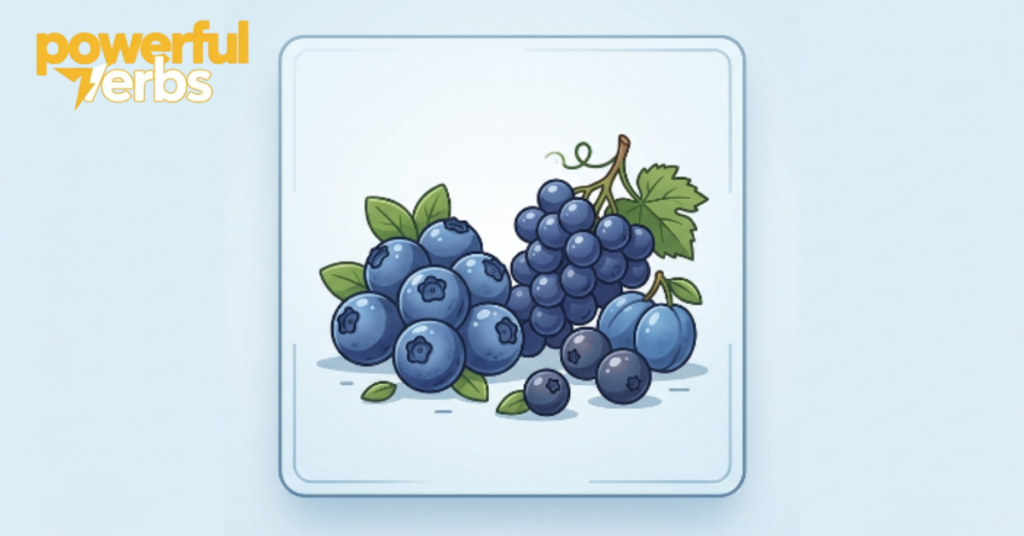
Several fruits shift toward a blue or blue-black tone as they reach peak ripeness:
- Blueberry — Deepens from pale green to full blue-purple as sugars develop
- Sloe — Develops a powdery blue bloom over dark skin after first frost
- Elderberry — Transitions from green to deep blue-black clusters at harvest
- Concord Grape — Skin darkens to deep blue-purple as sugars peak
- Damson Plum — Blue-purple color intensifies as flesh softens and sweetens
- Honeyberry — Turns deep blue before most other fruits ripen in spring
- Jabuticaba — Skin shifts from white-green to deep blue-black directly on the tree trunk
- Maqui Berry — Deepens to near-black blue at full ripeness in summer
Conclusion
Blue fruits are nature’s hidden gems — rare, visually stunning, and packed with extraordinary nutritional power.
From the familiar sweetness of blueberries and concord grapes to the exotic mystery of jabuticaba and blue sausage fruit — each blue fruit carries its own story, flavor, and health benefit that deserves to be explored.
This guide of 55+ blue fruits gives you a complete, confident reference for identifying, understanding, and enjoying one of nature’s most remarkable fruit groups.
Next time you spot a deep blue or blue-purple fruit — pick it up, learn its name, and appreciate what it truly carries inside.
FAQs
1. What are blue fruits?
Blue fruits are fruits that naturally display blue, blue-black, or bluish-purple pigmentation on their skin or flesh. This color comes from plant compounds called anthocyanins. Common examples include blueberries, bilberries, concord grapes, damson plums, and elderberries.
2. Why are blue fruits so rare in nature?
True blue color in plants requires a precise combination of anthocyanin pigments and specific cellular pH levels. Most blue fruits are technically blue-purple or blue-black. This makes genuinely blue fruits among the rarest colored produce in the natural world.
3. Are blue fruits high in antioxidants?
Yes. Blue fruits consistently rank among the highest antioxidant foods available. Their blue color signals high anthocyanin content — compounds directly linked to reduced inflammation, improved heart health, and better cognitive function.
4. Which blue fruit has the highest antioxidant content?
Maqui berry from Chilean Patagonia holds one of the highest recorded antioxidant ratings of any fruit. Bilberry, black currant, and acai also rank exceptionally high in antioxidant capacity.
5. Is blue raspberry a real fruit?
The vivid blue raspberry flavor used in candies and beverages is artificial. It was created using a flavor compound derived from whitebark raspberry — a real fruit — but dyed blue for visual appeal. True naturally blue raspberries are extremely rare and found only in specialty cultivation.
6. Can blue fruits be eaten every day?
Yes. Most blue fruits are safe and highly beneficial for daily consumption. They deliver antioxidants, vitamins, fiber, and anti-inflammatory compounds that support long-term health. Elderberries are the main exception — they must be cooked before eating as raw berries can cause digestive upset.
7. What is the rarest blue fruit in the world?
Blue Dragon Fruit, Blue Sausage Fruit, and genuine Blue Raspberry are among the rarest naturally blue fruits. Jabuticaba is also considered rare outside Brazil due to how quickly it ferments after harvest.
8. Which blue fruit is best for brain health?
Blueberries and bilberries are most strongly linked to cognitive benefits in research studies. Their anthocyanins cross the blood-brain barrier and have been associated with improved memory, focus, and reduced age-related cognitive decline.

Liam Johnson is a dedicated language expert with 4 years of professional experience. He specializes in Grammar, Vocabulary, and Sentence structure.
