

White fruits are one of nature’s most underrated treasures. From the sweet, floral burst of lychee to the creamy richness of coconut, white-fleshed fruits offer incredible variety in taste, texture, and nutrition. Whether you are a home cook, a nutrition enthusiast, or simply curious about global fruits, this complete guide covers every white fruit you need to know — with names, pictures, and detailed descriptions.
What Are White Fruits?
White fruits are fruits that display white, pale cream, or off-white coloring — either on the outside, inside, or both. The white color in fruits typically comes from a lack of strong pigments like anthocyanins or carotenoids. This natural pale appearance is found across hundreds of fruit varieties grown on every continent.
White-fleshed fruits are not just visually unique — they are also packed with dietary fiber, essential vitamins, and powerful antioxidants. Research in nutritional science links white and pale-colored fruits to heart health, immune support, and digestive wellness.
Quick Definition: A white fruit is any fruit with predominantly white, cream, or pale flesh — regardless of outer skin color.
Why Learn the Names of White Fruits?
Understanding white fruit names and their pictures is useful in many real-life situations:
- Grocery shopping — Identify unfamiliar fruits at markets or specialty stores
- Cooking and baking — Choose the right fruit for flavor and texture
- Nutrition planning — Select fruits based on health benefits
- Language learning — Build food vocabulary in English and other languages
- Gardening — Identify fruit trees and plants by fruit appearance
- Travel — Recognize local and exotic fruits in foreign countries
Complete List of 110+ White Fruits Names with Pictures
Below is the most comprehensive list of white fruits available — organized clearly with descriptions to help you identify each one.
1. Apple (White-Fleshed)
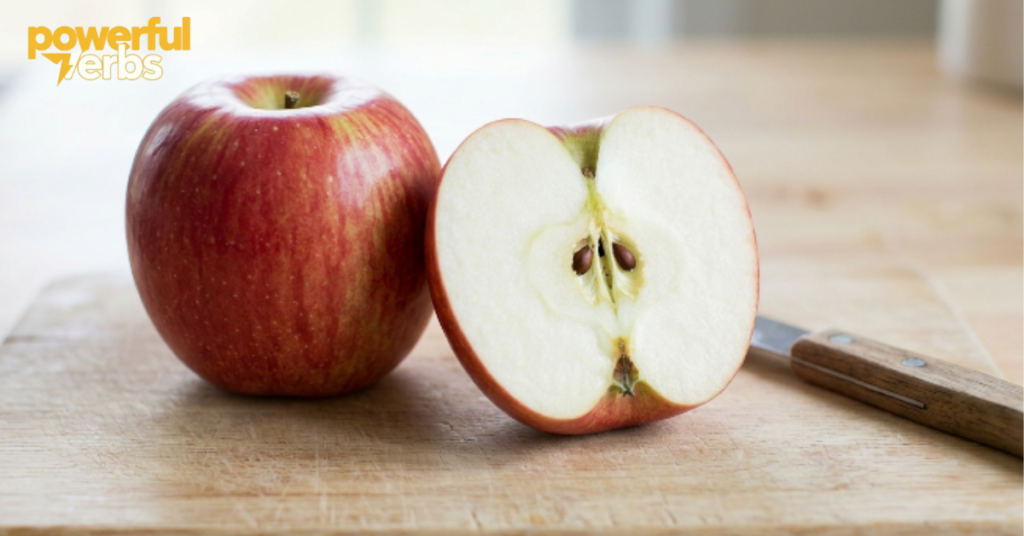
Apple is one of the most widely eaten fruits globally. Beneath its red, green, or yellow skin lies crisp, pale white flesh with a refreshing mild sweetness. Varieties like Golden Delicious and Fuji have notably white interiors. Apples are rich in fiber, vitamin C, and quercetin — a powerful natural antioxidant.
Flavor: Mild, sweet, slightly tart Common Use: Fresh eating, baking, juices, salads Region: Worldwide
2. Banana
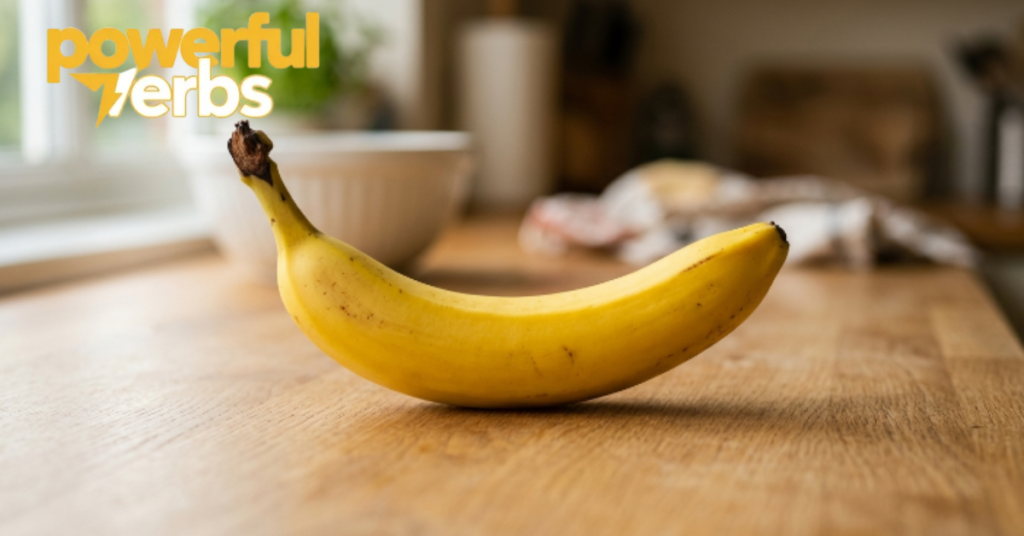
Banana is a tropical staple recognized for its soft, creamy white interior. The inner flesh is naturally white to pale cream and becomes sweeter as the fruit ripens. Bananas are an excellent source of potassium, vitamin B6, and natural energy-giving carbohydrates.
Flavor: Sweet, creamy Common Use: Fresh snacks, smoothies, baking, baby food Region: Tropical worldwide
3. Coconut
Coconut is a tropical fruit with dense, firm white meat encased inside a hard brown shell. The white coconut flesh called copra when dried — is used to produce coconut oil, coconut milk, coconut cream, and shredded coconut for cooking and baking. Fresh coconut water is also a popular natural hydration drink.
Flavor: Rich, mildly sweet, nutty Common Use: Oil, milk, curries, desserts, beverages Region: South Asia, Southeast Asia, Caribbean, Pacific Islands
4. Pear (White-Fleshed)
Pear has pale, juicy white flesh with a delicate, honey-like sweetness. Bartlett and Bosc pear varieties are especially known for their smooth white interior. Pears provide dietary fiber, copper, and vitamin K — making them an excellent fruit for digestive health.
Flavor: Juicy, gently sweet Common Use: Fresh, salads, poaching, baking Region: Europe, Asia, Americas
5. Lychee
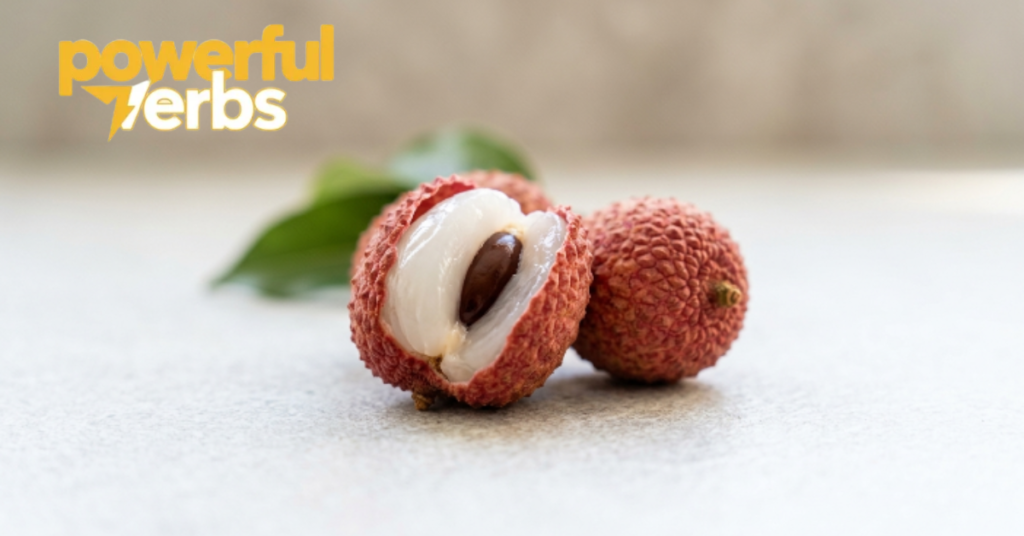
Lychee is a beloved tropical fruit native to China and Southeast Asia. Inside its rough, bright red shell lies translucent white flesh with a floral, sweet flavor unlike any other fruit. Lychee is rich in vitamin C, copper, and powerful antioxidant compounds.
Flavor: Sweet, floral, juicy Common Use: Fresh eating, juices, cocktails, desserts Region: China, India, Southeast Asia
6. Longan
Longan — meaning “dragon eye” in Chinese — is a small round fruit closely related to lychee. It contains soft, translucent white flesh with a mildly sweet grape-like flavor. Longan is commonly eaten fresh, dried, or added to traditional herbal soups and teas in Asian cuisine.
Flavor: Mildly sweet, slightly musky Common Use: Fresh, dried, soups, desserts Region: China, Thailand, Vietnam, India
7. Rambutan
Rambutan gets its name from the Malay word for “hair” — referring to its distinctive spiky red exterior. Beneath that dramatic shell is smooth, juicy white flesh with a sweet taste very similar to lychee. Rambutan contains iron, vitamin C, and beneficial plant compounds.
Flavor: Sweet, mildly tangy Common Use: Fresh eating, canned, fruit salads Region: Southeast Asia, especially Malaysia and Indonesia
8. White Peach
White peach is a summer stone fruit distinguished by its pale, almost snow-white flesh and delicate floral sweetness. Unlike yellow peaches, white peaches have lower acidity and a softer, more fragrant flavor profile. They are considered a premium variety in many fruit markets.
Flavor: Sweet, floral, low acidity Common Use: Fresh eating, desserts, jams, preserves Region: China, USA, Europe
9. Asian Pear (Nashi Pear)
Asian pear — also known as nashi pear or apple pear — has crisp, crunchy white flesh with very high water content. Unlike European pears, Asian pears do not soften when ripe — they stay firm and refreshingly crunchy. They are a popular fruit snack in East Asian countries.
Flavor: Crisp, refreshing, mildly sweet Common Use: Fresh snack, fruit platters, salads Region: China, Japan, Korea
10. White Dragon Fruit (Pitaya)
White dragon fruit is the most common variety of pitaya. It features bright pink or yellow skin with striking white flesh dotted with tiny black seeds. The taste is mildly sweet and refreshing — best enjoyed chilled. Dragon fruit is high in fiber, magnesium, and immune-boosting antioxidants.
Flavor: Mildly sweet, refreshing Common Use: Fresh, smoothies, fruit bowls, juices Region: Vietnam, Thailand, Central America
11. White Guava
White guava has pale cream to white flesh beneath its green or yellow skin. It carries a subtly sweet flavor with a slightly grainy texture. White guava is an outstanding source of dietary fiber, lycopene, vitamin C, and folate — making it one of the most nutritious tropical fruits available.
Flavor: Mildly sweet, slightly earthy Common Use: Fresh eating, juices, jams, smoothies Region: Tropical Americas, India, Southeast Asia
12. Sapodilla (Chikoo)
Sapodilla is a tropical fruit with soft, pale brown-white flesh that tastes remarkably like brown sugar or caramel. The grainy, melt-in-the-mouth texture makes it a favorite dessert fruit across South Asia and the Caribbean. It is rich in natural sugars, fiber, and tannins.
Flavor: Sweet, caramel-like Common Use: Fresh eating, desserts, milkshakes Region: India, Mexico, Central America, Caribbean
13. Jackfruit (Unripe White Flesh)
Jackfruit — the world’s largest tree fruit — contains pale white to cream-colored bulbs when unripe. In this stage, the flesh is starchy, neutral in flavor, and firm — making it widely used as a plant-based meat substitute. Ripe jackfruit turns yellow, but the seeds always remain white when cooked.
Flavor: Neutral when unripe, sweet when ripe Common Use: Curries, stews, vegan dishes, fresh eating Region: South Asia, Southeast Asia, tropical Americas
14. Durian
Durian — known as the “King of Fruits” in Southeast Asia — contains creamy, pale white to custard-yellow flesh with an intensely rich, complex flavor. Despite its notoriously strong aroma, the flesh is prized for its buttery texture and deep sweetness. Durian is high in healthy fats, B vitamins, and potassium.
Flavor: Rich, creamy, sweet, pungent Common Use: Fresh, ice cream, pastries, traditional dishes Region: Malaysia, Thailand, Indonesia, Philippines
15. Breadfruit
Breadfruit earns its name from its starchy, white interior that resembles freshly baked bread when cooked. This large tropical fruit is a major carbohydrate staple in Pacific Island communities. It can be roasted, boiled, fried, or dried into flour — making it one of the most versatile white fruits in the world.
Flavor: Starchy, mildly sweet when ripe Common Use: Roasting, boiling, frying, flour production Region: Pacific Islands, Caribbean, Southeast Asia
16. Soursop (Graviola)
Soursop is a large green-skinned tropical fruit with soft, fibrous white flesh that delivers a unique combination of sweet and sour flavors — often described as a blend of strawberry, pineapple, and citrus. It is widely used in juices, smoothies, and ice creams. Soursop leaves and fruit are also studied in traditional medicine.
Flavor: Sweet-sour, tropical, citrusy Common Use: Juices, smoothies, ice cream, teas Region: Caribbean, Central America, South America, West Africa
17. Sugar Apple (Sweetsop)
Sugar apple — also called sweetsop — is a tropical fruit with a bumpy green exterior and creamy, sweet white flesh. The flesh breaks apart into natural segments that melt on the tongue with an intensely sugary flavor. It is one of the sweetest naturally occurring fruits in the world.
Flavor: Intensely sweet, creamy Common Use: Fresh eating, desserts, custards Region: Caribbean, Central America, South Asia
18. Custard Apple (Cherimoya)
Custard apple features soft, silky white flesh with a pudding-like texture that justifies its name perfectly. The flavor blends notes of vanilla, banana, and pineapple into a smooth, custardy experience. Mark Twain famously called cherimoya “the most delicious fruit known to men.”
Flavor: Sweet, vanilla-like, creamy Common Use: Fresh eating, smoothies, ice cream Region: South America, India, Mediterranean
19. White Fig
White fig — also called golden fig — has pale green or yellow skin and soft, pink-white flesh with a gentle sweetness. White figs tend to be milder and less rich than dark purple varieties. They are eaten fresh, dried, or used in Mediterranean cooking and cheeseboards.
Flavor: Mildly sweet, honey-like Common Use: Fresh, dried, cheese pairings, jams Region: Mediterranean, Middle East, California
20. White Mulberry
White mulberry is a small berry that ripens from pale green to white or pinkish-white. It has a gentle, mild sweetness — notably less intense than red or black mulberries. In traditional medicine, white mulberry leaves and fruit are used to support blood sugar regulation.
Flavor: Mildly sweet, delicate Common Use: Fresh eating, dried, teas, jams Region: China, Middle East, Mediterranean, USA
21. White Strawberry
White strawberry is a rare and exotic variety of the common strawberry. It has creamy pale flesh, red seeds on the surface, and a surprisingly different flavor profile — sweeter, less acidic, with subtle notes of vanilla and pineapple. Japanese Hatsukoi no Kaori (“First Love Scent”) is one of the world’s most prized white strawberry varieties.
Flavor: Sweet, low acidity, vanilla-pineapple notes Common Use: Fresh eating, gourmet desserts, gifting Region: Japan, USA, specialty farms worldwide
22. Gooseberry (White Variety)
White gooseberry is a pale, translucent variety of the common gooseberry. It has thin skin, juicy flesh, and a tart-sweet flavor that makes it excellent for jams, pies, and dessert sauces. White gooseberries are typically sweeter and milder than their green or red counterparts.
Flavor: Tart-sweet, tangy Common Use: Jams, pies, sauces, fresh eating Region: Europe, North America
23. White Currant
White currant is a translucent, pale variety of redcurrant — one of the prettiest fruits in nature. Growing in delicate clusters, white currants have a mildly sweet, slightly tangy flavor. They are commonly used in desserts, tarts, and fruit jellies across European cuisines.
Flavor: Mildly sweet, lightly tart Common Use: Desserts, tarts, jellies, wine Region: Northern Europe
24. Bael Fruit (Stone Apple)
Bael fruit is a hard-shelled tropical fruit with pale, woody-textured pulp inside. It has a distinctively aromatic, mildly sweet flavor and has been used in Ayurvedic medicine for thousands of years. Bael sherbet — a cooling summer drink made from its pulp — is popular across India and Sri Lanka.
Flavor: Mildly sweet, aromatic, earthy Common Use: Drinks, traditional medicine, dried powder Region: India, Sri Lanka, Southeast Asia
25. Loquat
Loquat is a spring fruit with pale orange-white flesh, juicy texture, and a pleasant sweet-tart flavor similar to a combination of peach and mango. Loquats are rich in beta-carotene, potassium, and dietary fiber. They are eaten fresh or made into jams, wines, and medicinal syrups.
Flavor: Sweet-tart, juicy, peachy Common Use: Fresh, jams, wines, cough syrups Region: China, Japan, Mediterranean, India
26. White Pomegranate
White pomegranate is a rare variety with pale cream-colored seeds instead of the typical deep red. The seeds are mildly sweet with lower tartness than standard pomegranates. White pomegranates contain antioxidants, vitamin C, and anti-inflammatory compounds similar to red varieties.
Flavor: Mildly sweet, low tartness Common Use: Fresh eating, juices, salads Region: Middle East, Mediterranean, India
27. White Papaya
White papaya is a variety of papaya with pale cream to white flesh. It is softer and milder in flavor compared to the common orange-fleshed papaya. In some Asian cultures, unripe white papaya is shredded raw for salads, while ripe white papaya is eaten fresh or blended into smoothies.
Flavor: Mild, slightly sweet Common Use: Fresh, salads, smoothies, cooking Region: Southeast Asia, Pacific Islands, Caribbean.
28. White Sapote
White sapote is a soft Mexican fruit with smooth, white to pale green flesh that tastes remarkably like a combination of peach, vanilla, and banana. It is considered one of the sweetest and most delicious fruits of Central America, yet remains relatively unknown outside its native region.
Flavor: Sweet, vanilla-peach-banana blend Common Use: Fresh eating, ice cream, desserts Region: Mexico, Central America
29. White Nectarine
White nectarine is a smooth-skinned stone fruit — a naturally occurring variation of the nectarine with pale white flesh and lower acidity than yellow varieties. White nectarines are prized for their delicate, sweet, floral flavor and are a summer seasonal favorite.
Flavor: Sweet, floral, low acidity Common Use: Fresh eating, desserts, preserves Region: USA, Europe, China
30. Chayote (Vegetable Pear)
Chayote is a green pear-shaped fruit with crisp, pale white flesh and a very mild, refreshing flavor. Though commonly used as a vegetable in cooking, chayote is botanically a fruit. It is extremely low in calories and rich in vitamin C, folate, and antioxidants.
Flavor: Mild, slightly sweet, crisp Common Use: Soups, stir-fries, salads, stews Region: Mexico, Central America, Caribbean, Asia
31. Jujube (White Stage)
Jujube — also called Chinese date — is a small oval fruit that transitions from white-green to red as it ripens. In its white, unripe stage it is crisp and apple-like in flavor. Jujube is extremely rich in vitamin C and has been used in traditional Chinese and Ayurvedic medicine for centuries.
Flavor: Crisp, mildly sweet (unripe); rich, date-like (ripe) Common Use: Fresh, dried, teas, traditional medicine Region: China, India, Middle East, Mediterranean
32. Wax Apple (Bell Fruit)
Wax apple has a distinctive bell shape, waxy pale-pink or white exterior, and extremely crisp, white spongy flesh with very high water content. Its refreshing crunch and gentle sweetness make it an ideal hot-weather snack across tropical Asia.
Flavor: Crisp, light, mildly sweet Common Use: Fresh snack, fruit salads Region: Thailand, Taiwan, Indonesia, Malaysia
33. Langsat (Lansium)
Langsat is a small tropical fruit native to Southeast Asia. Its pale, translucent white flesh is divided into segments similar to garlic. The flavor balances sweet and sour notes with a pleasant juiciness. Langsat is rich in riboflavin and thiamine — important B vitamins.
Flavor: Sweet-sour, juicy Common Use: Fresh eating, traditional dishes Region: Malaysia, Indonesia, Philippines, Thailand
34. Pulasan
Pulasan is closely related to rambutan but produces sweeter, thicker white flesh with a richer flavor. The skin is covered with short, thick protrusions rather than soft spines. Pulasan is less widely exported than rambutan, making it a relatively rare white tropical fruit outside its native regions.
Flavor: Sweet, rich, thick Common Use: Fresh eating Region: Malaysia, Indonesia, Philippines
35. Mamoncillo (Spanish Lime)
Mamoncillo is a small tropical fruit with tough green skin and pale white to salmon-tinted flesh clinging tightly to a large seed. The flavor is a refreshing blend of lime and lychee — tangy, sweet, and tropical. It is a popular street snack across the Caribbean and Latin America.
Flavor: Tangy-sweet, lime-lychee blend Common Use: Fresh snack, juices, drinks Region: Caribbean, Central America, Colombia, Venezuela
36. White Grapes
White grapes — including varieties like Thompson Seedless, Muscat Blanc, and Pinot Grigio — have pale green to golden skin and translucent white-green flesh. They are among the most commercially important fruits in the world, consumed fresh, dried into raisins, or fermented into white wine.
Flavor: Sweet, refreshing, mild Common Use: Fresh eating, wine, raisins, juices Region: Mediterranean, California, Australia, South America
37. White Raspberry
White raspberry is a rare natural mutation of the red raspberry. It produces pale, creamy-white berries that are softer and sweeter than standard red raspberries, with reduced tartness. White raspberries are most commonly found at specialty farms and farmers markets.
Flavor: Sweet, mild, low tartness Common Use: Fresh eating, desserts, preserves Region: USA, Europe (specialty farms)
38. White Blueberry
White blueberry — such as the “Pearlberry” variety — is a naturally occurring white cultivar of the blueberry. It retains the nutritional benefits of standard blueberries but has a sweeter, milder flavor with reduced tartness. White blueberries are gaining popularity as a gourmet berry option.
Flavor: Sweet, mild Common Use: Fresh eating, baking, desserts Region: USA, specialty growers worldwide
39. Nance
Nance is a small tropical fruit native to Central America with pale white to golden flesh surrounding a hard seed. It has a distinctive sweet-sour flavor with a slightly fermented, cheese-like undertone that is unfamiliar to most non-tropical palates. Nance is used in traditional drinks, jams, and fermented beverages.
Flavor: Sweet-sour, pungent, unique Common Use: Drinks, jams, fermented beverages Region: Mexico, Central America, Caribbean
40. Star Apple (Caimito)
Star apple is a tropical fruit that reveals a beautiful star pattern in its white flesh when cut crosswise. The flesh is soft, creamy, and mildly sweet — similar to a cross between grape and persimmon. The white-fleshed variety is particularly prized across the Caribbean and Southeast Asia.
Flavor: Creamy, mildly sweet Common Use: Fresh eating, desserts Region: Caribbean, Central America, Southeast Asia
41. White Mangaba
White mangaba is a Brazilian tropical fruit with pale, cream-colored flesh and a pleasantly tart, milky flavor. It is a significant fruit in the Cerrado biome of Brazil and is used to make local juices, ice creams, and traditional sweets. Mangaba is rich in vitamin C and beta-carotene.
Flavor: Tart, milky, tropical Common Use: Juices, ice cream, sweets Region: Brazil (Cerrado region)
42. Pawpaw (North American)
North American pawpaw — not to be confused with papaya — is the largest edible fruit native to the United States. It has creamy, pale yellow-white flesh with a rich, custardy flavor combining notes of banana, mango, and vanilla. Pawpaw grows wild in river valleys across the eastern USA.
Flavor: Custardy, tropical, banana-mango-vanilla Common Use: Fresh eating, ice cream, baking Region: Eastern USA
43. Pummelo (White Variety)
White pummelo is the largest citrus fruit in the world — a direct ancestor of the common grapefruit. Its pale white flesh is less juicy than other citrus but offers a mild, sweet flavor with very low bitterness. Pummelo is consumed fresh and is a traditional symbol of good fortune in Chinese New Year celebrations.
Flavor: Mildly sweet, low bitterness Common Use: Fresh eating, salads, juices Region: Southeast Asia, China, India
44. White Lemon
White lemon — such as the Eureka or Lisbon white-fleshed variety — contains pale, almost colorless flesh with the characteristic sharp citrus tartness of standard lemons. White lemon zest and juice are used identically to yellow lemons in cooking, baking, and beverages.
Flavor: Tart, citrusy, bright Common Use: Cooking, baking, beverages, preserves Region: Mediterranean, California, worldwide
45. White Lime (Rangpur Lime / White Persian)
White lime varieties produce pale, nearly white flesh with standard lime tartness. White Persian lime is one of the most widely grown commercial lime varieties, prized for its seedless flesh and thin skin.
Flavor: Tart, citrusy Common Use: Juices, cocktails, cooking Region: Worldwide (tropical and subtropical)
46. White Grapefruit
White grapefruit has pale cream to white flesh with a classic bittersweet grapefruit flavor. It is less sweet than pink or ruby red varieties but contains fewer calories and remains a popular breakfast citrus. White grapefruit is rich in vitamin C, potassium, and lycopene.
Flavor: Bittersweet, tangy Common Use: Fresh, juice, salads, cocktails Region: USA, Israel, South Africa, Mediterranean
47. White Carambola (Star Fruit)
White carambola is a pale variety of star fruit with translucent white-green flesh and a crisp texture. When sliced crosswise it produces perfect five-pointed star shapes — making it as decorative as it is delicious. The flavor combines sweet and tart notes with a refreshing juiciness.
Flavor: Sweet-tart, crisp, refreshing Common Use: Fresh, garnishes, salads, juices Region: Southeast Asia, India, Caribbean, Florida
48. White Finger Lime (Caviar Lime)
White finger lime is an extraordinary Australian native citrus fruit. Its finger-shaped skin contains tiny, pearl-like vesicles of pale white juice that burst individually in the mouth — earning it the nickname “citrus caviar.” It is a highly prized ingredient in gourmet and fine dining cuisines worldwide.
Flavor: Tart, citrusy, complex Common Use: Gourmet garnishes, fine dining, seafood Region: Australia, specialty farms globally
49. White Santol
White santol is a tropical fruit from Southeast Asia with soft, pale white flesh that can be eaten fresh or pickled. It has a sweet-sour flavor with slight astringency. Different parts of the santol tree — including the fruit skin — are used in traditional Southeast Asian cooking and herbal medicine.
Flavor: Sweet-sour, slightly astringent Common Use: Fresh, pickled, cooking, traditional medicine Region: Philippines, Thailand, Malaysia, Indonesia
50. White Lucuma
White lucuma is a South American fruit with pale, dry, starchy flesh that tastes like a blend of sweet potato and maple syrup. Lucuma powder — made from dried lucuma flesh — is a popular natural sweetener used in health foods, smoothies, and desserts as a low-glycemic sugar alternative.
Flavor: Sweet, maple-caramel, starchy Common Use: Powder sweetener, smoothies, ice cream, desserts Region: Peru, Chile, Ecuador
51. White Abiu
White abiu is a smooth, round tropical fruit from the Amazon basin with pale, translucent white flesh and a sweet, caramel-like flavor with a creamy, jelly-like texture. It is often eaten fresh and is considered a delicacy in Brazilian and Colombian fruit markets.
Flavor: Sweet, caramel, jelly-like Common Use: Fresh eating Region: Brazil, Colombia, Peru, Amazon basin
52. White Canistel (Egg Fruit)
White canistel — also called egg fruit — has dry, mealy pale flesh similar in texture to a hard-boiled egg yolk. The flavor is rich, sweet, and slightly pumpkin-like. Canistel is eaten fresh, made into custards, or blended into milkshakes and ice creams in Central America and the Caribbean.
Flavor: Sweet, eggy, dry, rich Common Use: Fresh, custards, milkshakes, ice cream Region: Mexico, Central America, Caribbean
53. Mangosteen (White Inner Flesh)
Mangosteen — the “Queen of Fruits” — has a dramatic dark purple exterior that opens to reveal pure white, segmented flesh inside. The white flesh is extraordinarily juicy and sweet with a perfectly balanced tartness. Mangosteen is widely considered one of the finest-tasting fruits on earth.
Flavor: Exquisitely sweet-tart, floral, juicy Common Use: Fresh eating, juices, desserts Region: Southeast Asia, especially Thailand and Indonesia
54. White Miracle Fruit
White miracle fruit is a variation of the famous miracle berry plant. It contains miraculin — a glycoprotein that temporarily binds to taste receptors and makes sour foods taste sweet. Even white varieties of miracle fruit produce this extraordinary taste-modifying effect.
Flavor: Mildly sweet on its own; alters perception of other foods Common Use: Flavor tripping, dietary aid Region: West Africa, specialty cultivation globally
55. White Jabuticaba
White jabuticaba is a rare variety of the Brazilian grape tree fruit. Unlike common jabuticaba which is dark purple, white jabuticaba produces pale, translucent berries with sweet, jelly-like white flesh growing directly on the tree trunk and branches. This unusual growth pattern makes jabuticaba one of the world’s most visually distinctive fruits.
Flavor: Sweet, grape-like, jelly-textured Common Use: Fresh eating, wines, liqueurs, jams Region: Brazil
Additional White Fruits from Around the World
Beyond the detailed entries above, the following white and pale-fleshed fruits are also recognized globally:
| Fruit Name | Region | Flavor Profile |
| White Ackee | Caribbean, West Africa | Creamy, buttery |
| White Bilimbi | Southeast Asia | Sour, tart |
| White Marula | Southern Africa | Sweet, citrusy |
| White Kiwano (Horned Melon) | Africa | Mild, cucumber-like |
| White Sugarcane Fruit | Tropical worldwide | Very sweet, watery |
| White Buddha’s Hand | China, Japan | Fragrant, pithy, aromatic |
| White Elderberry | Europe, North America | Tart, floral |
| White Blackberry | USA, Europe | Sweet, mild |
| White Olive | Mediterranean | Savory, buttery |
| White Plum | Asia, Europe | Sweet-tart |
| White Apricot | Central Asia | Sweet, fragrant |
| White Persimmon | Asia, USA | Honey-sweet, astringent when unripe |
| White Kiwi (Hort16A) | New Zealand | Sweet, tropical |
| White Tamarillo | South America | Tart, tomato-like |
| White Melon (Casaba) | Middle East, USA | Mild, sweet |
| White Mandarin | Asia, Mediterranean | Sweet, citrusy |
| White Clementine | Mediterranean | Sweet, easy-peel |
| Salak (Pale Variety) | Indonesia | Sweet-sour, crunchy |
| White Grape Tomato | Worldwide | Mild, sweet |
| White Passion Fruit | South America | Sweet-tart, floral |
| White Watermelon (inside) | Africa, Americas | Sweet, watery |
| Lanzones | Southeast Asia | Sweet-tart, translucent |
| White Squash Fruit | Americas | Mild, starchy |
| White Pumpkin (Fruit) | Americas, Asia | Mild, slightly sweet |
| White Papaw (Australian) | Australia | Mild, tropical |
| White Hala Fruit | Pacific Islands | Fibrous, sweet |
| White African Horned Cucumber | Africa | Mild, refreshing |
| White Melon Pear (Pepino) | South America | Mild, melon-like |
| White Apple Pear Hybrid | Asia | Crisp, sweet |
| White Breadnut | Caribbean, Central America | Starchy, nutty |
Types of White Fruits by Category
Common White Fruits (Found Worldwide)
These white fruits are easy to find at supermarkets and grocery stores in most countries:
- Apple — crisp white flesh, universally available
- Banana — soft white interior, grown in every tropical region
- Pear — juicy pale flesh, sold globally year-round
- Coconut — firm white meat, staple in tropical cooking
- White Grapes — sweet translucent flesh, available in most markets
- Guava (white variety) — nutritious pale flesh, common in tropical countries
White Tropical Fruits
These white-fleshed fruits thrive in warm, humid tropical climates:
- Lychee — floral white flesh in a red shell
- Rambutan — hairy-skinned fruit with juicy white interior
- Longan — small pale fruit with dragon-eye appearance
- Jackfruit — starchy white bulbs used as meat substitute
- Breadfruit — bread-like white flesh cooked as staple food
- Durian — creamy white flesh with legendary aroma
- Soursop — soft white flesh with sweet-sour tropical flavor
- Sapodilla — caramel-flavored pale flesh
- Wax Apple — crisp, watery white flesh in bell shape
- Langsat — translucent white segments with sweet-sour taste
White Berry Fruits
Several berries produce naturally white or pale-colored fruit:
- White Strawberry — creamy pale berries with vanilla-pineapple notes
- White Mulberry — delicate pale berries with gentle sweetness
- White Currant — translucent clusters with mild tartness
- White Raspberry — soft white berries, sweeter than red
- White Blueberry — gourmet pale variety, milder and sweeter
- Gooseberry (white) — firm translucent fruit, tart-sweet flavor
Seasonal White Fruits
These fruits are available during specific seasons and regions:
- White Peach — peak summer, June to August
- Asian Pear — late summer to autumn
- Bael Fruit — dry season in South Asia
- Loquat — spring harvest, March to June
- White Nectarine — summer stone fruit season
- Jujube — late summer to autumn
Rare and Exotic White Fruits
These white fruits are less commonly known but highly prized by fruit enthusiasts:
- White Finger Lime — Australian citrus caviar
- White Jabuticaba — Brazilian trunk-growing grape berry
- White Sapote — Mexican vanilla-peach fruit
- White Miracle Fruit — taste-altering African berry
- Pawpaw (North American) — America’s forgotten tropical fruit
- White Lucuma — Peruvian superfruit powder
Nutritional Benefits of White Fruits
White and pale-colored fruits contain a unique set of nutritional compounds that support human health:
Key Nutrients Found in White Fruits
Quercetin — Found abundantly in apples and pears; supports cardiovascular health, reduces inflammation, and acts as a natural antihistamine.
Allicin Compounds — Present in certain white fruits; linked to antimicrobial and immune-supporting properties.
Dietary Fiber — Coconut, guava, pear, and banana are excellent fiber sources supporting digestive health and gut microbiome balance.
Vitamin C — Lychee, soursop, guava, and gooseberry provide high concentrations of ascorbic acid for immune function and collagen synthesis.
Potassium — Banana, coconut, durian, and breadfruit are significant potassium sources supporting heart function and blood pressure regulation.
Antioxidants — White fruits contain flavonoids, phenolic compounds, and carotenoids that protect cells from oxidative stress.
How to Identify White Fruits
Identifying white fruits correctly helps avoid confusion at markets and during cooking. Here are the main identification methods:
By Outer Appearance: Some white fruits have distinctive external features — rambutan’s hairy skin, lychee’s red shell, dragon fruit’s pink scales, and durian’s thorny exterior are unmistakable.
By Cut Interior: The most reliable identification method is cutting the fruit to examine the flesh color, texture, seed arrangement, and segment pattern.
By Smell: Durian, bael fruit, jackfruit, and soursop have distinctive aromas that identify them immediately.
By Texture: White fruits range from extremely crisp (wax apple, Asian pear) to creamy-soft (custard apple, white sapote) to fibrous (breadfruit, soursop).
By Region: Many white exotic fruits are primarily found in specific geographic regions — Australian finger lime, Brazilian jabuticaba, Peruvian lucuma, and Southeast Asian langsat are rarely found outside their native areas.
How to Eat Common White Fruits
White Dragon Fruit
Wash thoroughly, cut in half lengthwise, and scoop out the white flesh with a spoon. Remove the pink skin if preferred. Eat fresh, add to smoothie bowls, or blend into juices. Best served chilled.
Lychee
Peel away the rough red skin starting at the stem end. The white flesh comes off easily. Remove the central brown seed before eating. Lychee is best eaten fresh and chilled.
Coconut
For fresh coconut, pierce the three eyes on top with a skewer and drain the water. Crack the shell with a hammer or heavy knife, then pry out the white meat. Grate or slice as needed.
Rambutan
Squeeze the spiky skin gently until it splits, then peel away from the white flesh. The flesh clings to a central seed — bite around it or slide the seed out with a knife.
Durian
Use a thick knife to cut along the natural seams of the spiky exterior. Pry open with gloved hands. Scoop out the creamy white-yellow pods and remove seeds before eating.
White Fruits at a Glance — Quick Reference Table
| Fruit | White Part | Flavor | Origin |
| Apple | Flesh | Mild sweet | Worldwide |
| Banana | Flesh | Sweet creamy | Tropical worldwide |
| Coconut | Meat | Rich nutty | Tropical worldwide |
| Pear | Flesh | Juicy sweet | Europe, Asia |
| Lychee | Flesh | Floral sweet | China, SE Asia |
| Longan | Flesh | Mild sweet | China, SE Asia |
| Rambutan | Flesh | Sweet tangy | SE Asia |
| White Peach | Flesh | Floral sweet | China, USA |
| Asian Pear | Flesh | Crisp sweet | East Asia |
| White Dragon Fruit | Flesh | Mild sweet | Vietnam, Americas |
| White Guava | Flesh | Mild earthy | Tropics worldwide |
| Sapodilla | Flesh | Caramel sweet | India, Americas |
| Jackfruit | Bulbs | Neutral/sweet | South/SE Asia |
| Durian | Pods | Rich creamy | SE Asia |
| Breadfruit | Flesh | Starchy mild | Pacific Islands |
| Soursop | Flesh | Sweet sour | Tropics worldwide |
| Sugar Apple | Flesh | Very sweet | Caribbean, Americas |
| Custard Apple | Flesh | Vanilla sweet | South America, India |
| White Fig | Flesh | Honey mild | Mediterranean |
| White Mulberry | Berry | Gentle sweet | China, Mediterranean |
| White Strawberry | Berry | Sweet vanilla | Japan, USA |
| White Currant | Berry | Mild tart | Northern Europe |
| Mangosteen | Segments | Exquisite sweet-tart | SE Asia |
Conclusion
The world of white fruits is far richer and more diverse than most people realize. From everyday staples like banana, apple, and coconut to rare treasures like white jabuticaba, white finger lime, and white sapote — pale and white-fleshed fruits span every continent, climate, and flavor profile imaginable.
Whether you are exploring new fruits for your diet, researching global produce for culinary purposes, or simply satisfying your curiosity about nature’s pale treasures, this complete guide to 110+ white fruits with names and pictures provides everything you need to know.
Explore them fresh, dried, cooked, or blended — and discover why white fruits deserve a far more prominent place in kitchens and conversations worldwide.
FAQS
Are all white fruits white on the outside?
No. Many white fruits have green, red, pink, yellow, or brown skin but white flesh inside. Lychee has red skin, rambutan has red-green spiky skin, mangosteen has purple skin, and coconut has brown shell — yet all contain white flesh.
Is banana considered a white fruit?
Yes. Banana is classified as a white fruit because its inner flesh is white to pale cream. The yellow peel is simply the outer skin — the edible part is distinctly white.
Do white fruits grow only in tropical regions?
No. White fruits grow across all climate zones. Apple, pear, white currant, gooseberry, and white raspberry grow in temperate regions. Lychee, rambutan, and durian thrive in tropical climates. Jujube and bael fruit prefer dry subtropical conditions.
What are the most nutritious white fruits?
Guava (white variety), soursop, lychee, and coconut rank among the most nutritionally dense white fruits. Guava provides exceptional vitamin C and fiber. Coconut provides healthy medium-chain fatty acids. Lychee is high in antioxidants. Soursop is studied for its anti-inflammatory compounds.
What is the sweetest white fruit?
Sugar apple (sweetsop) is widely considered the sweetest white fruit in the world, followed by white sapote, canistel, and ripe longan.
What is the rarest white fruit?
White jabuticaba, white finger lime, and white miracle fruit are among the rarest white fruits globally, available only from specialty farms and in their native regions.
Which white fruit is easiest to find worldwide?
Apple, banana, pear, coconut, and white grapes are the most widely available white fruits found in supermarkets across the world year-round.
What are 13 white fruit names?
Thirteen well-known white fruits are: Banana, Coconut, Lychee, Rambutan, Longan, White Dragon Fruit, Pear, Apple, White Guava, Sapodilla, Asian Pear, Soursop, and Mangosteen (white inner flesh).

Liam Johnson is a dedicated language expert with 4 years of professional experience. He specializes in Grammar, Vocabulary, and Sentence structure.
