

Fruits beginning with the letter Y are among the rarest in the English language, yet they span continents — from East Asian orchards to Caribbean coastlines. This complete guide covers every major and lesser-known fruit starting with Y, with scientific names, flavor profiles, uses, and health benefits.
Why Are Fruits Starting With Y So Rare?
The letter Y is one of the least common starting letters for fruit names in English. Most fruits originating in Asia, Africa, or South America carry native names that don’t translate into Y-starting English words. However, once regional, botanical, and translated names are included, the list grows significantly.
Complete List of Fruits That Start With Y
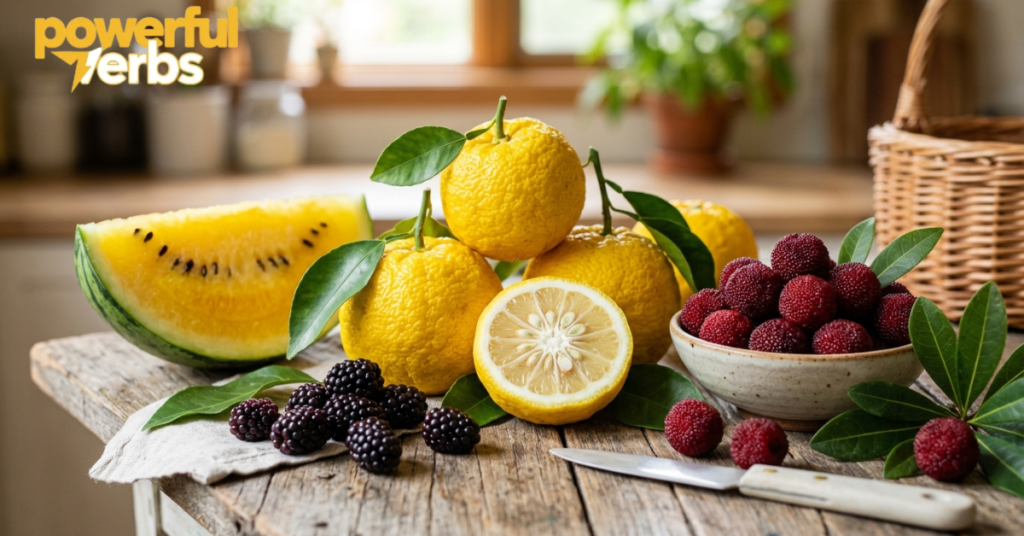
1. Yuzu
Yuzu is a highly aromatic citrus fruit native to East Asia, particularly popular in Japanese and Korean cuisine. Its flavor is a complex blend of lemon, grapefruit, and mandarin orange. The fruit is rarely eaten raw but is widely used in sauces, dressings, teas, marinades, and confectionery. Yuzu zest and juice are both prized for their intense fragrance.
Scientific Name: Citrus junos Benefits: High in vitamin C, antioxidants, and flavonoids. Supports immunity and skin health. Uses: Yuzu kosho, ponzu sauce, yuzu sake, desserts, skincare products
2. Yellow Passion Fruit
Yellow Passion Fruit is a tropical climbing vine fruit with bright golden skin and aromatic, jelly-like pulp filled with edible seeds. It carries a bold tangy-sweet flavor and is commonly used in juices, cocktails, and desserts.
Scientific Name: Passiflora edulis f. flavicarpa Benefits: Rich in vitamin C, dietary fiber, iron, and antioxidants. Supports digestion and immune function. Uses: Fresh juice, smoothies, yogurt toppings, ice cream, jam
3. Yellow Watermelon
Yellow Watermelon is a natural variety of the common watermelon with golden or yellow flesh instead of red. It has a noticeably sweeter, honey-like taste compared to its red counterpart. The yellow color results from the absence of lycopene, the pigment that gives red watermelons their color.
Scientific Name: Citrullus lanatus Benefits: High water content, vitamins A and C, beta-carotene, and natural sugars for quick energy. Uses: Eaten fresh, fruit salads, summer drinks, grilling
4. Yali Pear
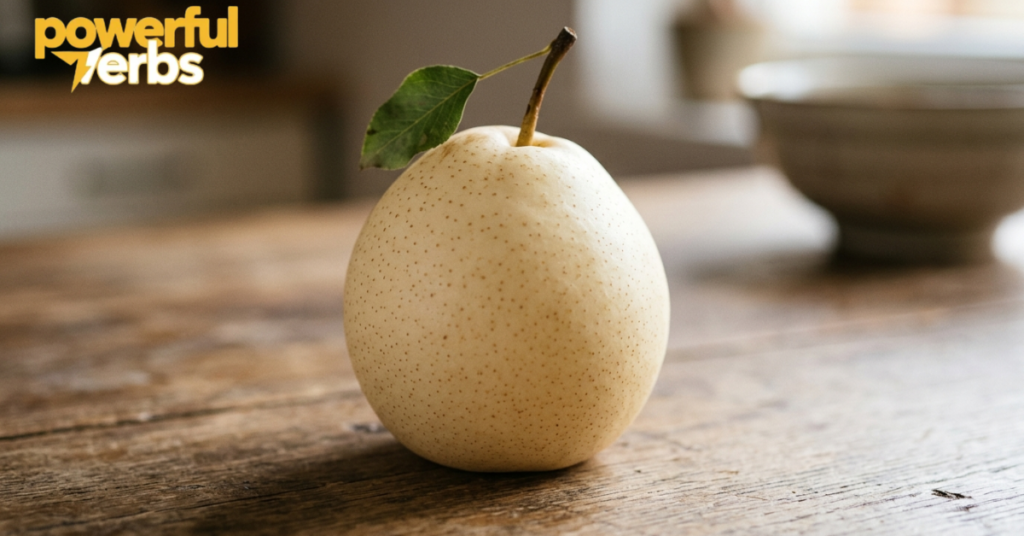
Yali Pear is a crisp, juicy Chinese pear variety with pale yellow-green skin and a smooth, apple-like texture. It is milder in sweetness than European pear varieties and is typically eaten fresh. The name “Yali” means “duck pear” in Chinese due to its elongated neck shape.
Scientific Name: Pyrus bretschneideri Benefits: Good source of fiber, vitamin C, and hydration. Supports digestive health. Uses: Eaten raw, sliced in salads, poached desserts, traditional Chinese medicine
5. Yangmei (Chinese Bayberry)
Yangmei, widely known as Chinese Bayberry, is a small, knobby red-to-purple fruit native to China. It has a distinctly refreshing sweet-tart flavor. Fresh yangmei is highly perishable, making it a seasonal specialty across eastern China during early summer.
Scientific Name: Myrica rubra Benefits: Packed with antioxidants, vitamin C, and organic acids. Supports heart health and digestion. Uses: Eaten fresh, fruit wines, juices, dried snacks, traditional herbal drinks
6. Yellow Dragon Fruit (Yellow Pitaya)
Yellow Dragon Fruit is considered the sweetest of all dragon fruit varieties. It has bright yellow skin with white flesh speckled with tiny black seeds. Unlike the more common red dragon fruit, yellow pitaya is native to South America and has a more tropical, cactus-fruit sweetness.
Scientific Name: Selenicereus megalanthus Benefits: Rich in fiber, vitamin C, iron, and antioxidants. Promotes gut health and hydration. Uses: Fresh slices, smoothie bowls, fruit platters, cocktails
7. Youngberry
Youngberry is a hybrid berry developed in the early 20th century by crossing blackberry, raspberry, and dewberry varieties. It produces large, dark-purple to black berries with a rich, wine-like flavor that is sweeter than blackberries and slightly tart.
Scientific Name: Rubus ursinus × idaeus Benefits: High in vitamins C and K, antioxidants, and manganese. Supports bone health and fights oxidative stress. Uses: Jams, pies, tarts, juices, syrups, fresh eating
8. Yellow Guava
Yellow Guava is a tropical fruit with smooth yellow skin and soft, sweet-smelling pulp that ranges from white to pale yellow inside. It is one of the most widely consumed guava varieties globally and is easier to find than the pink-fleshed type.
Scientific Name: Psidium guajava Benefits: Exceptionally high in vitamin C — far more than most citrus fruits. Also provides lycopene, potassium, and dietary fiber. Uses: Fresh eating, guava juice, jelly, paste (guava cheese), smoothies
9. Yellow Mombin (Hog Plum)
Yellow Mombin, commonly called Hog Plum, is a stone fruit native to tropical America. It has thin yellow skin, fibrous sweet-sour pulp, and a large central seed. It has been a staple wild fruit in Central America and the Caribbean for centuries.
Scientific Name: Spondias mombin Benefits: Contains vitamins A, C, and B-complex. Has traditional uses in treating inflammation and fever. Uses: Eaten fresh, local juices, preserves, fermented beverages, folk medicine
10. Yellow Sapote (Canistel)
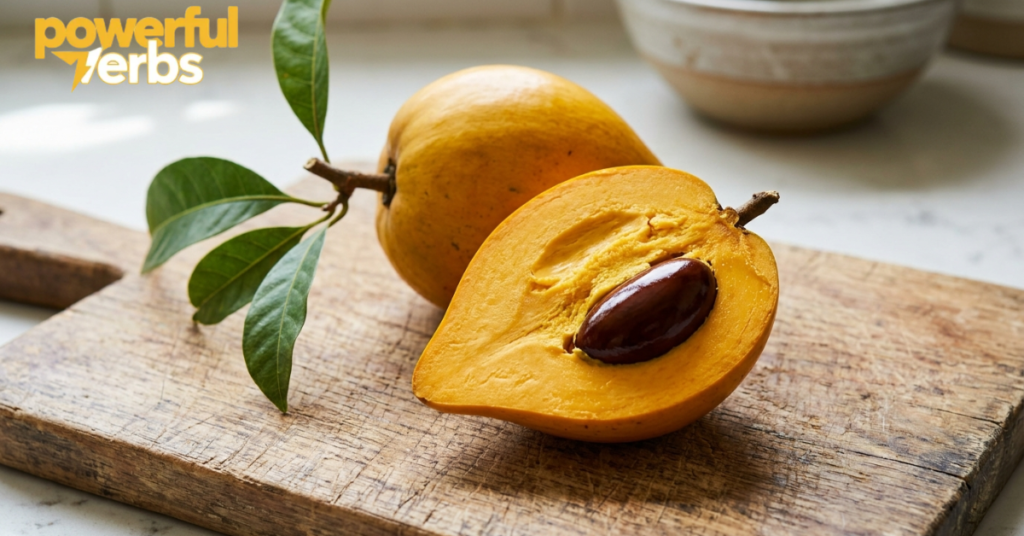
Yellow Sapote, also known as Canistel or Egg Fruit, has a dry, dense, custard-like texture similar to a hard-boiled egg yolk. Its deep yellow flesh is very sweet with notes of vanilla and sweet potato. It is native to Central America and southern Mexico.
Scientific Name: Pouteria campechiana Benefits: Rich in niacin, carotenoids, vitamin C, and natural carbohydrates for sustained energy. Uses: Fresh eating, milkshakes, ice cream, pancakes, spreads
11. Yellow Plum
Yellow Plum is a variety of European plum with golden-yellow skin and juicy flesh. It offers a balanced mix of sweetness and tartness, making it one of the most versatile plum varieties for both fresh consumption and culinary use.
Scientific Name: Prunus domestica Benefits: Good source of vitamins C and K, potassium, and dietary fiber. Supports heart health. Uses: Eaten fresh, jams, compotes, baked goods, sauces
12. Yellow Apple (Golden Delicious)
Yellow Apples, most famously represented by the Golden Delicious variety, have golden-yellow skin and mild, honeyed sweetness with low acidity. They are one of the most widely grown apple varieties in the world.
Scientific Name: Malus domestica Benefits: Good source of dietary fiber, vitamin C, and quercetin antioxidants. Supports gut health. Uses: Eaten fresh, baking, applesauce, cider, salads
13. Yucca Fruit
Yucca Fruit grows from certain species of the yucca plant, a succulent native to the Americas. The fruit is elongated, fleshy, and mildly sweet when fully ripe. It has been consumed by indigenous communities across North and Central America for centuries, often cooked or roasted.
Scientific Name: Yucca spp. Benefits: Provides carbohydrates, vitamin C, and B vitamins. The plant also contains saponins with anti-inflammatory properties. Uses: Cooked fresh, roasted, dried for storage, ground into flour
14. Yam Fruit
Though commonly classified as a root vegetable, yam is technically the fruit-bearing product of the Dioscorea plant family and is widely treated as a food fruit across sub-Saharan Africa, West Africa, and parts of Asia. It is a staple energy source for hundreds of millions of people.
Scientific Name: Dioscorea spp. Benefits: High in complex carbohydrates, potassium, manganese, and vitamin B6. Supports energy metabolism and heart health. Uses: Boiled, fried, pounded (fufu), roasted, dried into flour
15. Yew Berry
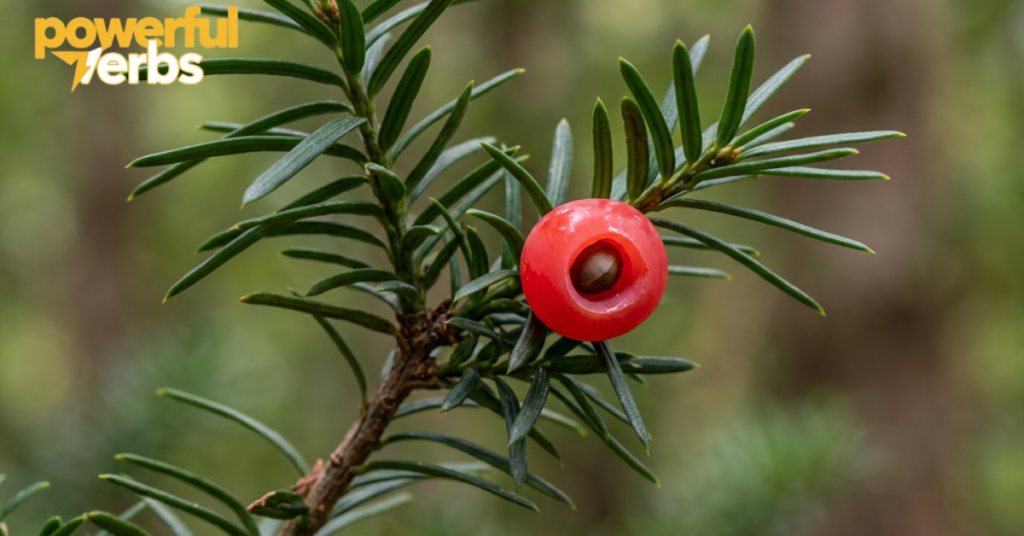
Yew Berry is the red, fleshy, cup-shaped fruit (technically called an aril) produced by the yew tree. The outer red flesh is edible and mildly sweet, but the seed inside is highly toxic and must never be swallowed. The yew is one of the oldest trees in the world.
Scientific Name: Taxus baccata Benefits: The edible aril contains some sugars and antioxidants, but the plant is primarily known for yielding taxol, a compound used in cancer treatment. Uses: Occasionally eaten fresh (aril only) — extreme caution required
16. Yellow Strawberry (Pineberry)
Pineberry, often called Yellow Strawberry, is a rare cultivated strawberry variety with pale white-to-yellow skin and red seeds. It has a distinctive pineapple-strawberry flavor combination that sets it apart from conventional strawberries.
Scientific Name: Fragaria × ananassa Benefits: Contains vitamin C, folate, manganese, and antioxidants comparable to standard strawberries. Uses: Fresh eating, desserts, fruit salads, gourmet garnishes
17. Yumberry
Yumberry is a brand name used internationally for Yangmei (Chinese Bayberry) when marketed as a health drink ingredient. The name was popularized to promote its antioxidant content in the Western health food market. The fruit is small, red, and has a tangy-sweet taste.
Scientific Name: Myrica rubra Benefits: High in oligomeric proanthocyanidins (OPCs), vitamin C, and anthocyanins — all powerful antioxidants. Uses: Juice blends, health drinks, dietary supplements, dried fruit
18. Yantok Fruit
Yantok is a rare fruit native to the Philippines and other parts of Southeast Asia, produced by a climbing rattan palm. The small scaly fruit has a sour, tangy flavor and is traditionally consumed fresh or used in local dishes in rural communities.
Scientific Name: Calamus manillensis Benefits: Contains natural organic acids and trace minerals. Traditionally used for digestive support. Uses: Eaten fresh, local condiments, rural cuisine
19. Yunnan Hackberry
Yunnan Hackberry produces small, round drupes native to the forests of China’s Yunnan province. The fruit is mildly sweet and edible when ripe, though it is not commercially cultivated. It grows wild on hillside forests and is locally consumed.
Scientific Name: Celtis tetrandra Benefits: Provides natural sugars, dietary fiber, and trace antioxidants. Uses: Eaten fresh when ripe, local wild harvesting
20. Yellow Cherry
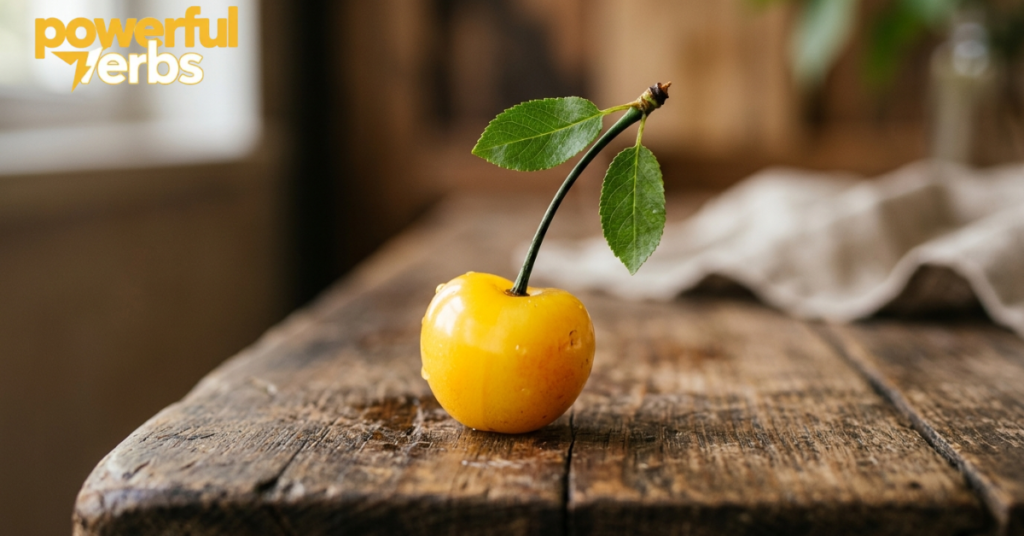
Yellow Cherry is a sweet cherry variety with golden-yellow to pale blush-toned skin. It tends to be sweeter and less acidic than dark red cherries, making it a favorite for fresh eating. The Royal Ann and Rainier varieties are the most commercially known yellow cherry types.
Scientific Name: Prunus avium Benefits: Rich in vitamins C and A, melatonin, and anti-inflammatory anthocyanins. Uses: Fresh eating, canning, cocktail garnishes, baked goods
21. Yellow Lemon
Yellow Lemon is the standard, fully ripened form of the common lemon. Though rarely listed in Y-fruit guides, it technically qualifies and is one of the most commercially important citrus fruits worldwide. The yellow color develops as the fruit matures.
Scientific Name: Citrus limon Benefits: Extremely high in vitamin C. Supports immunity, digestion, and skin collagen production. Uses: Juice, zest, cooking, baking, beverages, cleaning
22. Yellow Fig
Yellow Fig refers to varieties such as the Adriatic or White Genoa fig that produce greenish-yellow to golden skin and pale, honey-sweet flesh. These varieties are prized for their delicate flavor and are often considered superior to black fig varieties for fresh eating.
Scientific Name: Ficus carica Benefits: High in calcium, potassium, dietary fiber, and natural sugars. Supports bone density and digestion. Uses: Fresh eating, dried figs, jams, cheese boards, baking
23. Yellow Kiwi
Yellow Kiwi, or Golden Kiwi, is a cultivated variety of kiwifruit with smooth, hairless bronze-yellow skin and bright golden flesh. It is sweeter and less acidic than the common green kiwi, with tropical notes of mango and vanilla.
Scientific Name: Actinidia chinensis Benefits: Contains twice the vitamin C of green kiwi, plus vitamin E, folate, and potassium. Uses: Fresh eating, fruit salads, smoothies, desserts
Quick Reference Table: Fruits That Start With Y
| Fruit | Flavor Profile | Region | Key Nutrient |
| Yuzu | Lemon + grapefruit | East Asia | Vitamin C |
| Yellow Passion Fruit | Tangy-sweet | Tropics | Fiber, Vitamin C |
| Yellow Watermelon | Honey-sweet | Global | Vitamins A & C |
| Yali Pear | Mild, crisp | China | Fiber |
| Yangmei | Sweet-tart | China | Antioxidants |
| Yellow Dragon Fruit | Sweet, tropical | South America | Fiber, Vitamin C |
| Youngberry | Rich, wine-like | Hybrid | Vitamin K |
| Yellow Guava | Sweet, aromatic | Tropics | Vitamin C |
| Yellow Mombin | Sweet-sour | Caribbean | Vitamins A & C |
| Yellow Sapote | Custard, vanilla | Central America | Carotenoids |
| Yellow Plum | Sweet-tart | Europe | Vitamin K |
| Yellow Apple | Honey-mild | Global | Fiber |
| Yucca Fruit | Mildly sweet | Americas | Carbohydrates |
| Yam | Starchy, earthy | Africa, Asia | Potassium |
| Yew Berry | Mildly sweet | Europe | Taxol (medicinal) |
| Yellow Strawberry | Pineapple-strawberry | Europe | Vitamin C |
| Yumberry | Tangy-sweet | China | OPC Antioxidants |
| Yantok | Sour, tangy | Southeast Asia | Organic acids |
| Yunnan Hackberry | Mildly sweet | China | Fiber |
| Yellow Cherry | Very sweet | Europe/USA | Melatonin |
| Yellow Lemon | Sharp, citrusy | Mediterranean | Vitamin C |
| Yellow Fig | Honey-sweet | Mediterranean | Calcium |
| Yellow Kiwi | Sweet, tropical | New Zealand/China | Vitamin C, E |
Frequently Asked Questions
What fruits start with the letter Y?
The most well-known fruits starting with Y include Yuzu, Yellow Passion Fruit, Yellow Watermelon, Yangmei, Yali Pear, Yellow Dragon Fruit, Youngberry, Yellow Guava, and Yellow Sapote.
How many fruits begin with Y?
There are 23 or more confirmed fruits beginning with Y when regional varieties, translated names, and lesser-known species are included. The exact number varies depending on how broadly “fruit” is defined botanically.
What is the most popular Y fruit?
Yuzu is the most globally recognized fruit starting with Y, widely used in Japanese and Korean cuisine and increasingly popular in Western food culture for its unique citrus aroma.
What is the sweetest fruit that starts with Y?
Yellow Sapote (Canistel) and Yellow Dragon Fruit are considered the sweetest fruits beginning with Y. Yellow Kiwi is also notably sweeter than most Y fruits.
Is Yew Berry safe to eat?
Only the soft outer red flesh (aril) of the yew berry is edible. The seed inside is highly toxic, and all other parts of the yew tree are poisonous. It should not be consumed casually.
Is yam a fruit or vegetable?
Botanically, yam is classified as a root tuber, but in many cultures across Africa and Asia it is functionally treated as a fruit-like staple food. The distinction is primarily botanical.
What is the difference between Yumberry and Yangmei?
They are the same fruit. Yumberry is a Western marketing name for Yangmei (Chinese Bayberry), used to promote the fruit’s antioxidant content in international health drink markets.
Which Y fruit is healthiest?
Yuzu, Yellow Guava, and Yellow Kiwi are among the most nutrient-dense, all providing exceptionally high levels of vitamin C alongside antioxidants, fiber, and other micronutrients.
Final Thoughts
Learning about fruits that start with “Y” is a fun way to discover how diverse nature can be. From well-known varieties to rare and exotic ones, each fruit offers its own taste, nutrition, and benefits. Exploring such unique lists not only improves general knowledge but also makes learning more interesting and enjoyable for readers of all ages.

Liam Johnson is a dedicated language expert with 4 years of professional experience. He specializes in Grammar, Vocabulary, and Sentence structure.
