

Can you name five fruits that start with the letter Z?Most people struggle after the first two. And that is exactly what makes Z fruits so fascinating — they are rare, exotic, and packed with surprising stories, flavors, and health benefits that most people have never discovered.
I became curious about Z fruits after a trivia question left me completely stumped. One search led to another — and I realized there is an entire world of extraordinary fruits hiding behind this single letter.
This complete guide covers 25+ fruits that start with Z — with names, pictures, scientific facts, taste descriptions, uses, and health benefits. Whether you are a student, a food lover, or simply building your vocabulary — this is the most complete Z fruits list you will find anywhere.
Why Are Z Fruits So Rare?
The letter Z is one of the least common starting letters in the English language — and fruit names are no exception.Many Z fruits come from other languages entirely. Zarzamora comes from Spanish. Zwetschge comes from German. Zapote comes from the Nahuatl language of Mexico. This means most people encounter these fruits under completely different names in their own country.
Additionally, several Z fruits grow only in specific tropical, subtropical, or Mediterranean climates — making them genuinely rare outside their native regions.Learning Z fruits expands your vocabulary, deepens your knowledge of global food culture, and gives you a real edge in quizzes, food discussions, and nutrition conversations.
Complete List of 25+ Fruits that Start with Z
- Zante Currant
- Zapote (Mamey Sapote)
- Zarzamora (Blackberry)
- Zestar Apple
- Zhe Fruit
- Zill Mango
- Zinfandel Grape
- Ziziphus (Jujube)
- Ziziphus Jujuba (Chinese Jujube)
- Ziziphus Mauritiana (Indian Jujube)
- Zucchini (Botanical Fruit)
- Zweigelt Grape
- Zwetschge (European Plum)
- Zalzalak (Persian Hawthorn)
- Zambezi Lemon
- Zambo Fruit
- Zanzibar Banana
- Zapote Blanco (White Sapote)
- Zapote Negro (Black Sapote)
- Zebra Melon
- Zeytoun (Olive)
- Zigzag Vine Fruit
- Ziricote Fruit
- Ziziphus Spina-Christi (Christ’s Thorn Jujube)
- Ziziphus Lotus (Lotus Jujube)
- Zorba Grape
- Zucchini Blossom Fruit
Detailed Guide: 25+ Fruits that Start with Z with Fun Facts
1. Zante Currant
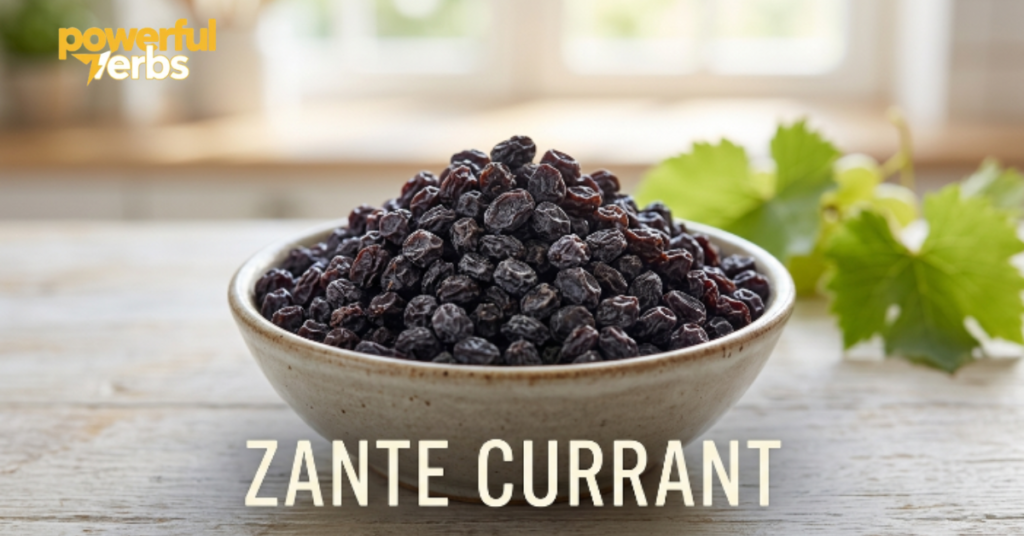
Scientific Name: Vitis vinifera (Black Corinth Grape) Origin: Greece — Island of Zakynthos
Zante currants are tiny, seedless dried grapes — much smaller than regular raisins. They come from the Black Corinth grape variety, one of the oldest cultivated grapes in the world.
Taste: Intensely sweet with a slight tangy depth and rich concentrated flavor.
Fun Fact: Despite being called “currants,” Zante currants are actually miniature dried grapes — not true currants at all. The name comes from the port city of Corinth in ancient Greece.
Uses: Baking in cakes, hot cross buns, scones, and fruit breads. Also used in rice dishes and salads across Mediterranean cuisine.
Health Benefits: Rich in antioxidants, iron, fiber, and natural sugars — supports energy, digestion, and healthy blood circulation.
2. Zapote (Mamey Sapote)
Scientific Name: Pouteria sapota Origin: Central America and Mexico
Zapote is a large tropical fruit with rough brown skin and stunning salmon-orange flesh inside. The texture is smooth, creamy, and almost dessert-like straight from the fruit.
Taste: Rich, sweet, and creamy — flavor notes of pumpkin, sweet potato, vanilla, and almond combined.
Fun Fact: Mamey Sapote seeds contain a fragrant oil used in traditional Mexican cosmetics and hair care products for centuries.
Uses: Blended into smoothies, ice creams, milkshakes, and tropical desserts. Also eaten fresh with a spoon like an avocado.
Health Benefits: Exceptionally high in vitamins A and C, potassium, and dietary fiber — supports eye health, immunity, and healthy digestion.
3. Zarzamora (Blackberry)
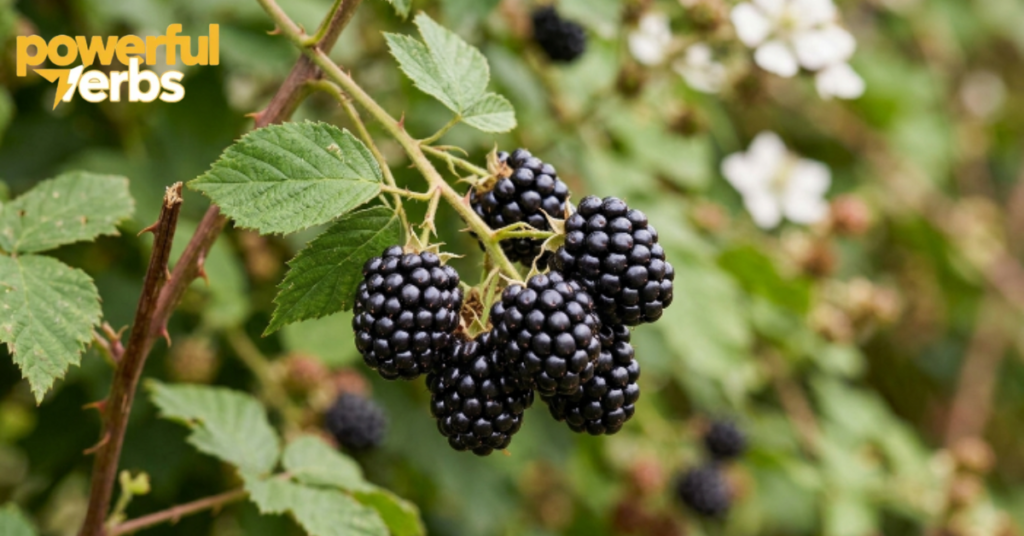
Scientific Name: Rubus fruticosus Origin: Europe, Asia, and the Americas
Zarzamora is the Spanish name for blackberry — a well-loved berry fruit with deep blue-black color and juicy flesh filled with tiny edible seeds. It grows on thorny bramble bushes in temperate climates worldwide.
Taste: Sweet with a pleasant tartness — flavor deepens as the berry reaches full ripeness.
Fun Fact: Blackberries are technically not berries in botanical terms — they are aggregate fruits, made up of dozens of tiny individual drupelets clustered together.
Uses: Fresh eating, jams, jellies, juices, pies, yogurt toppings, and wine production.
Health Benefits: Outstanding source of antioxidants, vitamin C, vitamin K, and manganese — supports heart health, brain function, and immune defense.
4. Zestar Apple
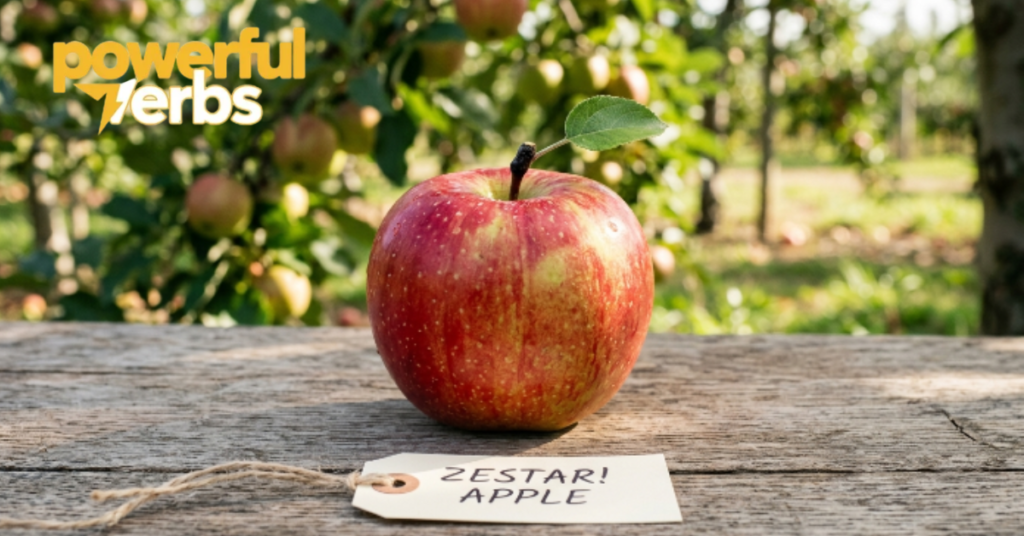
Scientific Name: Malus domestica Origin: United States — developed at the University of Minnesota
Zestar apples are an early-season apple variety bred specifically for crisp texture and exceptional flavor. They ripen in late summer — weeks before most other apple varieties reach harvest.
Taste: Crisp, juicy, and refreshingly sweet-tart with a distinctive hint of brown sugar and spice.
Fun Fact: Zestar apples were developed through a carefully controlled crossbreeding program at the University of Minnesota — the same institution that created the famous Honeycrisp apple.
Uses: Fresh eating, baking, apple sauce, and pairing with sharp cheeses. Excellent in autumn salads.
Health Benefits: Good source of dietary fiber, vitamin C, and quercetin — supports digestion, immune function, and cardiovascular health.
5. Zhe Fruit
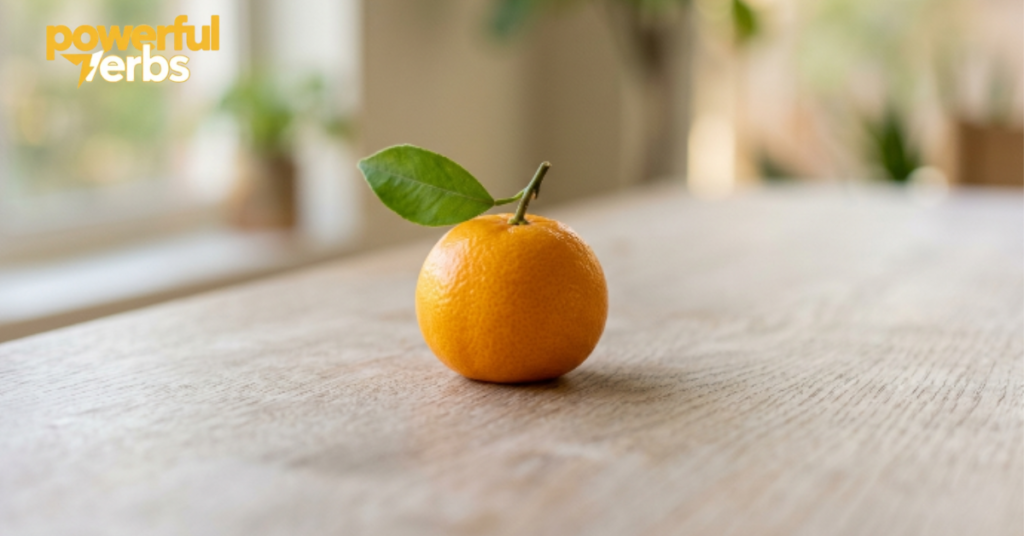
Scientific Name: Maclura tricuspidata (formerly Cudrania tricuspidata) Origin: China, Korea, and Japan
Zhe fruit is a small, round fruit that resembles a red mulberry when ripe. It grows on thorny trees native to East Asia and has been consumed in Chinese traditional medicine for over two thousand years.
Taste: Mildly sweet with earthy undertones — flavor combines elements of fig, mulberry, and watermelon.
Fun Fact: The Zhe tree is also called the Chinese Mulberry or Silkworm Thorn — its leaves were historically used to feed silkworms in East Asian silk production.
Uses: Eaten fresh when ripe, used in traditional herbal medicine, and occasionally made into fruit wines in China and Korea.
Health Benefits: Contains powerful antioxidants, flavonoids, and anti-inflammatory compounds that may support blood circulation, liver health, and cellular protection.
6. Zill Mango
Scientific Name: Mangifera indica Origin: Florida, United States — developed by grower Maxwell Zill
Zill mango is a premium mango variety bred in South Florida known for its outstanding sweetness, smooth fiberless flesh, and compact size. It is considered one of the finest dessert mango varieties available.
Taste: Exceptionally rich, sweet, and tropical — virtually no fiber — with a smooth buttery texture and mild tangy finish.
Fun Fact: The Zill mango was developed in the 1940s by Maxwell Zill in Boynton Beach, Florida — it became a parent variety for many other popular Florida mango cultivars grown today.
Uses: Fresh eating, slicing into fruit platters, blending into smoothies, and making premium mango desserts and sorbets.
Health Benefits: High in vitamins A and C, folate, and potassium — promotes eye health, skin radiance, immune strength, and healthy digestion.
7. Zinfandel Grape
Scientific Name: Vitis vinifera Origin: Croatia — genetically identical to the Primitivo grape of Italy
Zinfandel grapes are medium to large dark blue-black grapes with thick skin and juicy sweet flesh. Though most famous for wine production, they are also eaten fresh as table grapes.
Taste: Bold, sweet, and jammy with notes of blackberry, pepper, and spice — more complex than standard table grapes.
Fun Fact: For decades, Zinfandel was considered a uniquely American grape variety — until DNA testing in 2002 revealed its true Croatian origin as the Crljenak Kaštelanski grape.
Uses: Premium red wine production, fresh eating, raisins, and grape juice.
Health Benefits: Rich in resveratrol, anthocyanins, and polyphenols — supports cardiovascular health, reduces inflammation, and provides strong antioxidant protection.
8. Ziziphus — Jujube Fruit
Scientific Name: Ziziphus spp. Origin: South Asia and China — cultivated for over 4,000 years
Ziziphus, commonly called jujube or Chinese date, is one of the oldest cultivated fruits in human history. Small and round, it transforms dramatically between its fresh and dried states.
Taste: Fresh — crisp and mildly sweet like an apple. Dried — chewy, caramel-sweet, very similar to a date.
Fun Fact: Jujube fruits appear in ancient Chinese texts dating back over 4,000 years — they were offered as imperial tributes and used in traditional medicine long before modern science confirmed their benefits.
Uses: Fresh snacking, dried as a healthy sweet, herbal teas, traditional Chinese medicine, and candied treats.
Health Benefits: Exceptional source of vitamin C, natural sugars, and saponins — improves sleep quality, reduces anxiety, supports digestion, and strengthens immunity.
9. Ziziphus Jujuba (Chinese Jujube)
Scientific Name: Ziziphus jujuba Origin: Northern China
The Chinese Jujube is the most widely cultivated jujube species worldwide — grown across China, Korea, India, and increasingly in Europe and North America.
Taste: Mild sweetness with a light floral note — refreshingly crisp when fresh, deeply sweet and chewy when dried.
Fun Fact: China produces over 90% of the world’s jujube supply — with more than 700 distinct cultivated varieties grown across the country.
Uses: Herbal teas, traditional soups, red date porridge, candied fruits, and natural health supplements.
Health Benefits: Rich in polysaccharides, flavonoids, and triterpenoids — scientifically studied for stress reduction, improved sleep, liver protection, and immune enhancement.
10. Ziziphus Mauritiana (Indian Jujube)
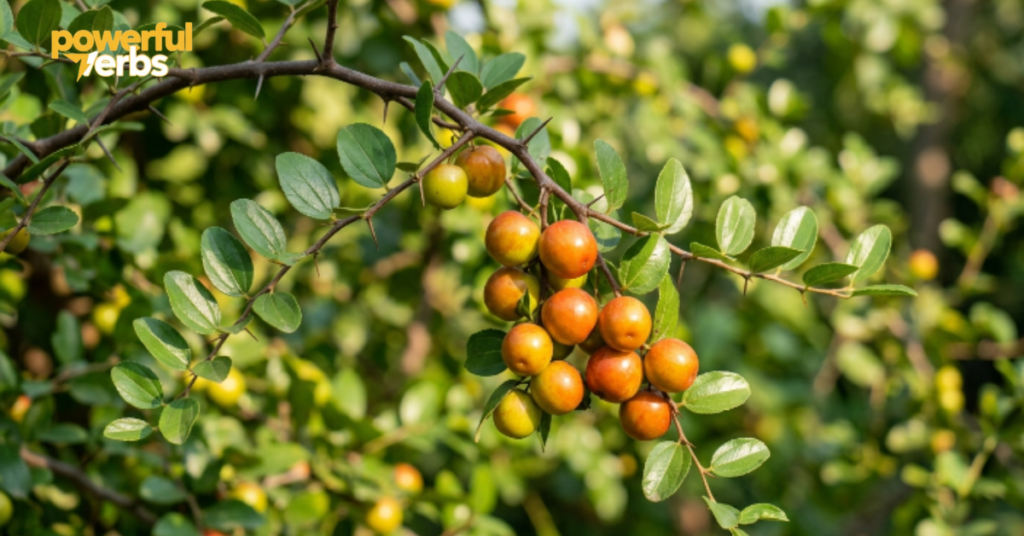
Scientific Name: Ziziphus mauritiana Origin: South Asia — widely grown across India, Pakistan, and Southeast Asia
Known as Ber in South Asia, Ziziphus mauritiana is the tropical cousin of the Chinese jujube — smaller, rounder, and with a distinctive sweet-sour flavor profile.
Taste: Sweet with a pleasant sour edge when fresh — flavor softens and sweetens as it ripens fully.
Fun Fact: In Pakistan and India, ber fruits are eaten straight from roadside trees — a beloved childhood memory for millions of people across South Asia.
Uses: Fresh eating, dried snacks, pickles, chutneys, and traditional Ayurvedic and Unani herbal preparations.
Health Benefits: Outstanding vitamin C content — a single fruit provides significant daily requirements. Supports immunity, digestion, skin health, and wound healing.
11. Zucchini (Botanical Fruit)
Scientific Name: Cucurbita pepo Origin: Americas — domesticated in Mexico approximately 10,000 years ago
Zucchini is one of the most consumed botanical fruits in the world — though most people treat it exclusively as a vegetable. In botanical classification, any structure that grows from a flower and contains seeds qualifies as a fruit.
Taste: Mild, slightly sweet, and neutral — flavor absorbs surrounding seasonings and sauces beautifully when cooked.
Fun Fact: Left unharvested, a zucchini can grow to the size of a baseball bat within days — some record-breaking zucchinis have exceeded one meter in length.
Uses: Grilling, stir-frying, baking, spiralizing into noodles, stuffing, and making zucchini bread and muffins.
Health Benefits: Very low in calories with high water content, vitamin C, potassium, and manganese — excellent for weight management, hydration, and heart health.
12. Zweigelt Grape
Scientific Name: Vitis vinifera (Zweigelt cultivar) Origin: Austria — developed by Dr. Fritz Zweigelt in 1922
Zweigelt is Austria’s most widely planted red grape variety — a hybrid cross between Blaufränkisch and St. Laurent grapes. While primarily a wine grape, it produces beautiful dark berries with rich flavor.
Taste: Dark, juicy, and fruity with pleasant tartness — notes of cherry, plum, and subtle spice.
Fun Fact: Zweigelt grapes were created by crossbreeding two parent varieties in an Austrian research institute — the grape was named directly after its creator Dr. Fritz Zweigelt.
Uses: Austrian red wine production, fresh eating in wine-growing regions, and specialty grape juice.
Health Benefits: Contains resveratrol, anthocyanins, and flavonoids — supports heart health, reduces oxidative stress, and provides anti-inflammatory benefits.
13. Zwetschge (European Plum)
Scientific Name: Prunus domestica subsp. domestica Origin: Central Europe — Germany, Austria, and Switzerland
Zwetschge is a specific variety of European plum with an elongated oval shape, deep blue-purple skin, and firm, aromatic yellow-green flesh. It is one of the most important traditional fruits in German-speaking countries.
Taste: Sweet with a balanced tartness — less juicy than round plums but remarkably aromatic and richly flavored.
Fun Fact: Germany celebrates an annual Zwetschgenfest (Plum Festival) in the town of Bühl — one of Europe’s oldest and most beloved fruit harvest festivals.
Uses: Traditional German and Austrian baking in Zwetschgenkuchen (plum cake), jams, fruit spirits (Zwetschgenwasser), and preserves.
Health Benefits: Rich in dietary fiber, vitamin K, potassium, and antioxidants — supports digestive health, bone density, and cardiovascular function.
14. Zalzalak (Persian Hawthorn)
Scientific Name: Crataegus azarolus Origin: Middle East and Mediterranean — widely consumed in Iran and Turkey
Zalzalak is the Persian name for the hawthorn fruit — a small round fruit related to apples and pears, growing on thorny shrubs across the Middle East and Mediterranean basin.
Taste: Mildly sweet with a slight tartness and a mealy apple-like texture when fully ripe.
Fun Fact: Zalzalak fruits are sold by street vendors across Tehran, Iran, typically served with salt and pepper as a traditional snack — a beloved cultural street food experience.
Uses: Fresh eating with salt, jams, fruit leather, herbal teas, and traditional Persian medicinal preparations.
Health Benefits: Rich in flavonoids and oligomeric proanthocyanidins — scientifically studied for heart health support, blood pressure regulation, and antioxidant protection.
15. Zambezi Lemon
Scientific Name: Citrus limon (regional variety) Origin: Zambezi River basin — Southern Africa
The Zambezi Lemon is a regional citrus variety growing naturally along the Zambezi River corridor in Southern Africa. Its thick aromatic skin and intensely sour juice make it a prized ingredient in local cooking.
Taste: Intensely sour with a strong floral citrus aroma — more fragrant than standard commercial lemons.
Uses: Fresh juice in traditional cooking, preserving fish, and making local beverages across Zambia, Zimbabwe, and Mozambique.
Health Benefits: Very high in vitamin C, citric acid, and bioflavonoids — supports immune health, iron absorption, and skin collagen production.
16. Zanzibar Banana
Scientific Name: Musa acuminata (local cultivar) Origin: Zanzibar Island, Tanzania
The Zanzibar Banana is a locally cultivated banana variety unique to the island of Zanzibar off the coast of East Africa. Smaller and sweeter than commercial Cavendish bananas, it is a staple fruit for island communities.
Taste: Intensely sweet and aromatic — richer flavor than standard bananas with a hint of honey.
Fun Fact: Zanzibar was historically known as the Spice Island — alongside cloves and cinnamon, local banana varieties have been cultivated there for over a thousand years.
Uses: Fresh eating, drying into banana chips, cooking in traditional Zanzibari dishes, and making banana wine.
Health Benefits: High in potassium, vitamin B6, and natural sugars — provides quick energy, supports muscle function, and promotes healthy brain activity.
17. Zapote Blanco (White Sapote)
Scientific Name: Casimiroa edulis Origin: Mexico and Central America
Zapote Blanco, or White Sapote, is a smooth-skinned green or yellow fruit with creamy white flesh and a remarkably sweet, gentle flavor. It belongs to the citrus family despite tasting nothing like citrus.
Taste: Creamy, sweet, and very mild — flavor notes of vanilla, peach, and banana with a custard-like texture.
Fun Fact: White Sapote seeds contain compounds traditionally used as sleep aids in Mexican folk medicine — the fruit itself has mild sedative properties when consumed in large amounts.
Uses: Fresh eating, blending into smoothies and ice creams, and making tropical desserts.
Health Benefits: Good source of vitamins C and B6, potassium, calcium, and dietary fiber — supports bone health, sleep quality, and digestive wellness.
18. Zapote Negro (Black Sapote)
Scientific Name: Diospyros nigricans Origin: Mexico and Central America — related to persimmon
Zapote Negro, or Black Sapote, is one of the most visually dramatic fruits in the world. Its exterior looks like a plain green tomato — but slice it open and you find intensely dark, chocolate-brown flesh inside.
Taste: Rich, sweet, and creamy with a remarkable natural resemblance to chocolate pudding — earning it the nickname “Chocolate Pudding Fruit.”
Fun Fact: Black Sapote is technically a member of the persimmon family — not related to chocolate at all — yet its flavor and texture so closely mimic chocolate pudding that it is used as a natural low-calorie dessert substitute.
Uses: Fresh eating by the spoon, blending into smoothies, making natural chocolate-flavored desserts and mousse.
Health Benefits: Four times the vitamin C of an orange — also provides vitamin A, calcium, and phosphorus. Extremely low in fat despite its rich flavor.
19. Zebra Melon
Scientific Name: Cucumis melo (striped variety) Origin: Mediterranean region
The Zebra Melon is a visually striking melon variety with distinctive alternating green and yellow stripes across its smooth skin — the pattern resembling zebra markings.
Taste: Sweet, fragrant, and juicy with a floral honeydew-like flavor and refreshing crisp texture.
Fun Fact: Zebra melons are grown primarily for specialty markets and gourmet restaurants — their dramatic appearance makes them as valued for visual presentation as for flavor.
Uses: Fresh eating, fruit salads, gourmet plating, and chilled summer drinks.
Health Benefits: High water content with vitamins A and C, potassium, and B vitamins — supports hydration, eye health, and immune function.
20. Zeytoun (Olive)
Scientific Name: Olea europaea Origin: Mediterranean Basin — one of the oldest cultivated fruits in human history
Zeytoun is the Arabic and Persian name for olive — a fruit that has shaped human civilization for over six thousand years. Olives are among the most economically and culturally significant fruits in the world.
Taste: Fresh olives are extremely bitter and completely inedible — curing through brine, salt, or lye transforms them into the complex savory fruit enjoyed worldwide.
Fun Fact: The olive branch is one of history’s oldest symbols of peace — appearing in ancient Greek mythology, the Bible, and the United Nations emblem used today.
Uses: Table olives, olive oil production, Mediterranean cooking, charcuterie boards, and preserved condiments.
Health Benefits: Exceptionally rich in oleic acid, vitamin E, and powerful antioxidant polyphenols — the cornerstone of the Mediterranean diet and its associated heart health benefits.
21. Zigzag Vine Fruit
Scientific Name: Melodorum leichhardtii Origin: Queensland, Australia — native rainforest fruit
The Zigzag Vine Fruit is a small Australian native fruit growing on the zigzag vine in tropical rainforests of Queensland. It is consumed by Aboriginal Australians as a traditional bush tucker food.
Taste: Intensely aromatic with a sherbet-like fizzing sensation — flavor resembling a combination of lemon, spice, and sweet candy.
Fun Fact: The Zigzag Vine Fruit creates an extraordinary tingling sensation on the tongue unlike almost any other fruit — caused by unique alkaloid compounds found nowhere else in the fruit kingdom.
Uses: Traditional Aboriginal bush tucker, specialty food markets in Australia, and natural flavoring ingredient.
Health Benefits: Contains unique alkaloids and aromatic compounds — traditionally valued for digestive support and as a natural energy stimulant.
22. Ziziphus Spina-Christi (Christ’s Thorn Jujube)
Scientific Name: Ziziphus spina-christi Origin: North Africa and Middle East
Ziziphus Spina-Christi is a jujube species growing across the arid regions of North Africa and the Middle East. Its thorny branches are traditionally believed to be the plant used to make the Crown of Thorns in biblical history.
Taste: Sweet with a light floral quality — texture shifts from crisp to soft as it ripens fully.
Fun Fact: This tree species is mentioned in the Quran and holds deep spiritual significance across multiple Abrahamic faiths — it is one of the trees permitted to remain standing in the sacred precincts of Mecca.
Uses: Fresh eating, dried fruit, traditional herbal medicine across Egypt, Sudan, and the Arabian Peninsula.
Health Benefits: Rich in saponins, flavonoids, and vitamin C — supports immunity, skin health, and traditional respiratory remedies.
23. Ziziphus Lotus (Lotus Jujube)
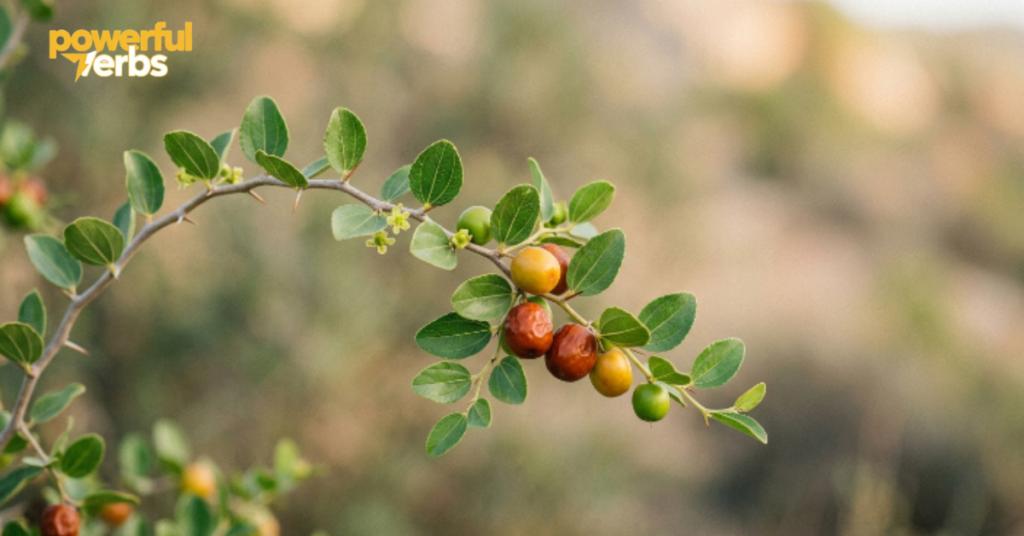
Scientific Name: Ziziphus lotus Origin: North Africa and Southern Mediterranean
Ziziphus Lotus is a wild jujube species that grows across North Africa and the Mediterranean coast. It is believed by many scholars to be the famous lotus fruit described in Homer’s ancient Greek epic The Odyssey.
Taste: Sweet and mildly intoxicating — ancient accounts described the fruit as causing forgetfulness and a dreamy, peaceful state in those who consumed it.
Fun Fact: In Homer’s Odyssey, the Lotus-Eaters were a people who survived entirely on this fruit — causing such contentment and forgetfulness that Odysseus’s crew had to be forcibly dragged back to the ships.
Uses: Fresh eating in North Africa, traditional Tunisian and Libyan fermented beverages, and honey production from lotus blossom nectar.
Health Benefits: Contains natural sugars, vitamin C, and antioxidant compounds — supports energy and digestive comfort.
24. Zorba Grape
Scientific Name: Vitis vinifera (Zorba cultivar) Origin: Greece
Zorba is a specialty Greek table grape variety with large, firm berries and beautifully balanced sweetness. Named with the spirit of Greek viticulture — bold, full of life, and deeply satisfying.
Taste: Sweet, juicy, and clean with a satisfying firm snap when bitten — mild muscat-like aroma.
Uses: Premium fresh eating, fruit platters, and specialty Greek export markets.
Health Benefits: Rich in natural sugars, antioxidants, vitamin C, and potassium — supports energy levels, heart health, and hydration.
25. Zucchini Blossom (Flower Fruit)
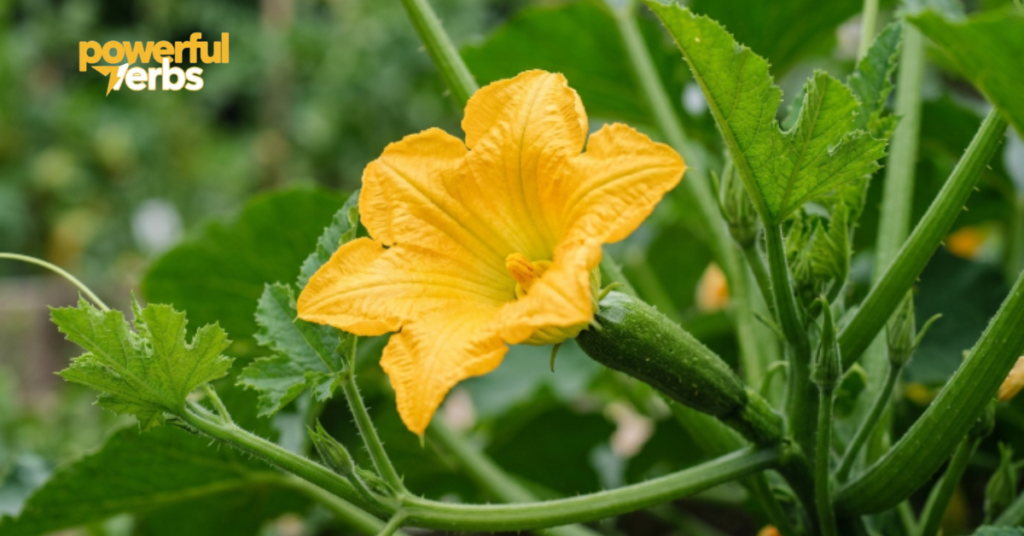
Scientific Name: Cucurbita pepo (flower stage) Origin: Americas — now consumed worldwide in gourmet cooking
Zucchini blossoms are the edible flowers of the zucchini plant — harvested before they fully develop into mature zucchini fruit. Both male and female flowers are edible, though female flowers carry a tiny fruit at their base.
Taste: Delicate, mildly sweet, and subtly floral — texture is silky and tender when fresh.
Fun Fact: Zucchini blossoms must be harvested and eaten within hours of picking — they wilt and close rapidly after being removed from the plant, making them one of the most perishable ingredients in gourmet cooking.
Uses: Stuffed with ricotta and herbs, battered and fried, added to pasta, risotto, quesadillas, and used as an edible garnish in fine dining.
Health Benefits: Contains vitamins A and C, calcium, and iron — low in calories and rich in antioxidants from their vibrant yellow-orange pigments.
Z Fruits by Taste Profile
| Fruit | Taste Profile |
| Zante Currant | Intensely sweet, rich, slightly tangy |
| Zapote (Mamey) | Creamy, sweet, vanilla-pumpkin notes |
| Zarzamora | Sweet with pleasant tartness |
| Zestar Apple | Crisp, sweet-tart, brown sugar hint |
| Zhe Fruit | Mild sweet, fig-mulberry combination |
| Zill Mango | Rich tropical sweetness, no fiber |
| Zinfandel Grape | Bold, jammy, blackberry-pepper notes |
| Ziziphus (Jujube) | Apple-crisp fresh, date-sweet dried |
| Zucchini | Mild, slightly sweet, neutral |
| Zwetschge | Sweet-tart, aromatic, firm |
| Zapote Negro | Chocolate pudding-like, rich and creamy |
| Zalzalak | Mildly sweet, apple-like, slightly tart |
| Zeytoun (Olive) | Savory, briny, complex after curing |
| Zigzag Vine Fruit | Sherbet-fizzing, lemon-spice sensation |
| Zanzibar Banana | Intensely sweet, honey-rich |
Health Benefits of Z Fruits
| Z Fruit | Key Health Benefits |
| Zante Currant | Antioxidants, iron, fiber, energy support |
| Zapote (Mamey) | Vitamins A and C, eye health, immunity |
| Zarzamora | Vitamin C, heart health, anti-inflammatory |
| Ziziphus (Jujube) | Sleep improvement, immunity, digestion |
| Zucchini | Weight management, hydration, heart health |
| Zapote Negro | 4x vitamin C of orange, low fat, calcium |
| Zeytoun (Olive) | Heart health, vitamin E, anti-inflammatory |
| Zill Mango | Eye health, skin radiance, immunity |
| Zwetschge | Digestion, bone health, cardiovascular |
| Zalzalak | Heart health, blood pressure regulation |
| Zinfandel Grape | Resveratrol, cardiovascular protection |
| Zanzibar Banana | Energy, potassium, brain health |
| Ziziphus Mauritiana | Vitamin C, digestion, wound healing |
Z Fruits Around the World
| Region | Notable Z Fruit |
| Central America | Zapote, Zapote Negro, Zapote Blanco |
| East Asia | Ziziphus Jujuba, Zhe Fruit |
| South Asia | Ziziphus Mauritiana (Ber) |
| Europe | Zweigelt Grape, Zwetschge, Zante Currant |
| Middle East | Zeytoun (Olive), Zalzalak, Ziziphus Spina-Christi |
| North Africa | Ziziphus Lotus, Zalzalak |
| East Africa | Zanzibar Banana |
| Australia | Zigzag Vine Fruit |
| Americas | Zucchini, Zill Mango, Zinfandel Grape |
Conclusion
Fruits that start with Z are among the rarest, most fascinating, and most nutritionally remarkable fruits in the entire plant kingdom.From the chocolate-like richness of Zapote Negro to the sherbet-fizzing sensation of the Australian Zigzag Vine Fruit — from the 4,000-year cultural history of Ziziphus Jujuba to the legendary sweetness of the Zanzibar Banana — every Z fruit tells a unique story of geography, culture, and nature’s extraordinary creativity.
This list of 25+ Z fruits gives you a complete, confident reference — whether you are expanding your vocabulary, exploring global food culture, preparing for a quiz, or simply discovering what the natural world has to offer beyond the familiar.Next time someone challenges you to name fruits starting with Z — you will have more than enough answers.
FAQs
1. What are fruits that start with Z?
Fruits that start with Z include zante currant, zapote, zarzamora, zestar apple, zhe fruit, zill mango, zinfandel grape, ziziphus, zucchini, zweigelt grape, zwetschge, zalzalak, zanzibar banana, zapote negro, zapote blanco, zebra melon, and more. Most are rare outside their native regions.
2. Is zucchini really a fruit?
Yes — botanically speaking, zucchini is a fruit. Any plant structure that develops from a flower and contains seeds is classified as a fruit in botany. Zucchini grows from the zucchini flower and contains seeds inside. In culinary use, it is treated as a vegetable.
3. What is the most common fruit starting with Z?
Zucchini is the most widely consumed Z fruit worldwide due to its use in cooking globally. Among sweet fruits, zante currants and jujube (ziziphus) are the most commonly available in international markets.
4. What does zapote negro taste like?
Zapote negro, also called Black Sapote or Chocolate Pudding Fruit, has a remarkably rich, creamy, chocolate-like flavor and texture. It is naturally sweet with a smooth dark flesh that closely resembles chocolate mousse despite containing no chocolate whatsoever.
5. Where does ziziphus (jujube) come from?
Jujube fruits originated in South Asia and China, where they have been cultivated for over 4,000 years. Today they are grown across Asia, the Middle East, Europe, and increasingly in North America. China produces more than 90% of the global jujube supply.
6. What is the rarest fruit starting with Z?
Zigzag Vine Fruit from Australian tropical rainforests is among the rarest Z fruits in the world. Zapote Negro and Zhe Fruit are also rare outside their native growing regions.
7. Are there any Z fruits from Africa?
Yes. Zanzibar Banana from Tanzania, Zambezi Lemon from the Zambezi River basin, and Ziziphus Mauritiana grown widely across sub-Saharan Africa are notable Z fruits with strong African origins and cultural significance.
8. What health benefits do Z fruits provide?
Z fruits collectively provide vitamin C, vitamin A, antioxidants, dietary fiber, potassium, and anti-inflammatory compounds. Jujube supports sleep and digestion. Zapote Negro delivers outstanding vitamin C. Olive provides heart-protective polyphenols. Zarzamora fights inflammation and supports brain health

Liam Johnson is a dedicated language expert with 4 years of professional experience. He specializes in Grammar, Vocabulary, and Sentence structure.
