

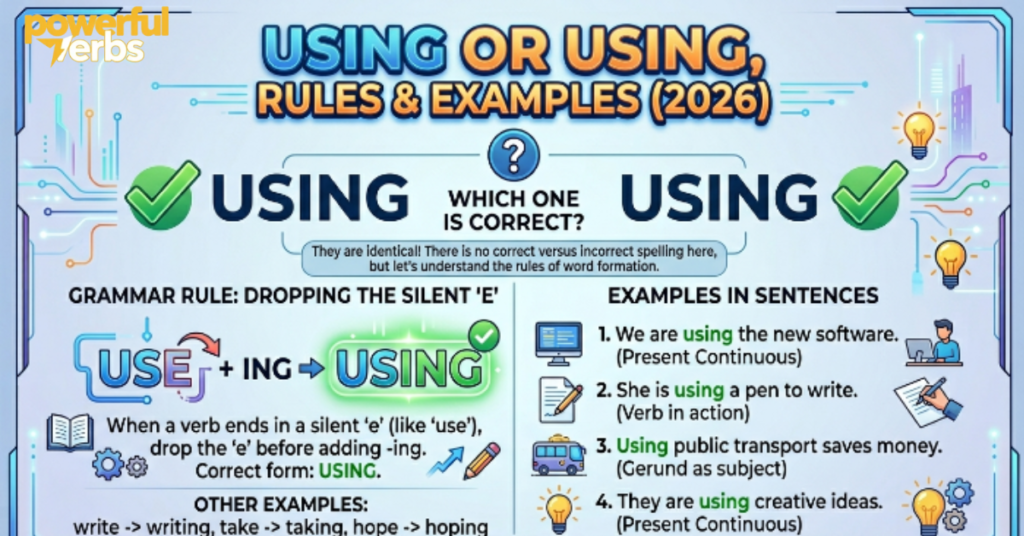
A surprising number of confident writers pause on this exact word. The base verb “use” looks simple enough, yet the moment a person needs its “-ing” form, a small doubt creeps in: does the silent “e” stay, or does it disappear? That single letter is the entire source of the confusion, and once the rule behind it is clear, the mistake becomes almost impossible to make again.
The Quick Answer
“Using” is the correct spelling. “Useing” is not a recognized word in any English dictionary, in any English-speaking country, in any style of writing. The rule responsible for this is not unique to the word “use” at all; it is a general spelling pattern that governs hundreds of English verbs.
For example, “The teacher is using a projector for the lesson” is correct, while “The teacher is useing a projector for the lesson” is not. The extra “e” before “-ing” breaks a spelling pattern that English has followed consistently for centuries.
see also: Beige vs Tan: What’s the Difference Between These Shades?
Why This Spelling Mistake Happens
Most English suffixes simply attach to the end of a word without changing anything, which is why “walk” becomes “walking” and “talk” becomes “talking” with no adjustment at all. Because that pattern feels so natural, many writers assume every verb behaves the same way, including ones that end in a silent “e.” Since “use” already ends in that letter, it seems logical to keep it and just add “-ing” on top. That assumption is exactly where the spelling goes wrong, because verbs ending in a silent “e” follow a separate, equally consistent rule of their own.
The Core Spelling Rule: Drop the Silent “E” Before “-ing”
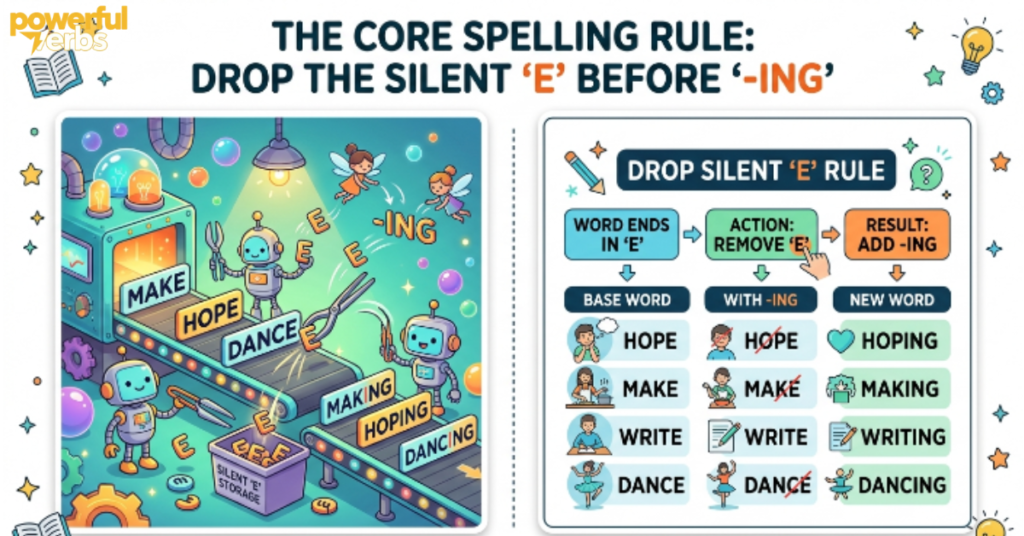
When a verb ends in a silent “e,” that letter is removed before adding “-ing.” This is why “make” becomes “making,” “write” becomes “writing,” “drive” becomes “driving,” “believe” becomes “believing,” and “hope” becomes “hoping.” The same pattern applies to “use,” which is why “using” is the only correct outcome.
The reasoning behind the rule is rooted in how English spelling represents sound. A silent “e” at the end of a word often signals that the previous vowel should be pronounced a certain way. Once “-ing” is attached, that signal is no longer needed, so the silent letter is dropped to keep the word visually clean and consistent with the rest of the language.
The Exception Most People Don’t Know: Verbs Ending in “-ee,” “-oe,” or “-ye”
A small group of verbs breaks the drop-the-“e” pattern on purpose, and understanding this exception actually makes the main rule even easier to remember. Verbs ending in double “e,” in “-oe,” or in “-ye” keep the final letter when “-ing” is added, because removing it would create an awkward or confusing spelling. “Agree” becomes “agreeing,” “see” becomes “seeing,” “free” becomes “freeing,” and “hoe” becomes “hoeing.”
One of the clearest examples of why this exception matters involves two completely different words that would otherwise collide. “Dye,” meaning to change the color of something, becomes “dyeing.” “Die,” meaning to stop living, becomes “dying.” Keeping the “e” in “dyeing” is what allows readers to tell the two words apart at a glance, which shows that English spelling rules usually exist for a practical reason rather than being arbitrary.
“Using” vs. “Usage”: A Related Mix-Up
A second point of confusion sometimes appears alongside this one. “Using” is the present participle form of the verb “use,” describing an action currently happening, as in “she is using the new software.” “Usage” is a separate noun referring to the way something is used overall, or to a pattern of use over time, as in “data usage” or “the usage of formal language in business emails.” The two words look related and share the same root, but they are not interchangeable, and mixing them up in writing can change the meaning of a sentence without the writer realizing it.
see also: Flite vs Flight: Meaning, Difference, and When to Use Each?
American English vs. British English: Any Real Differences?
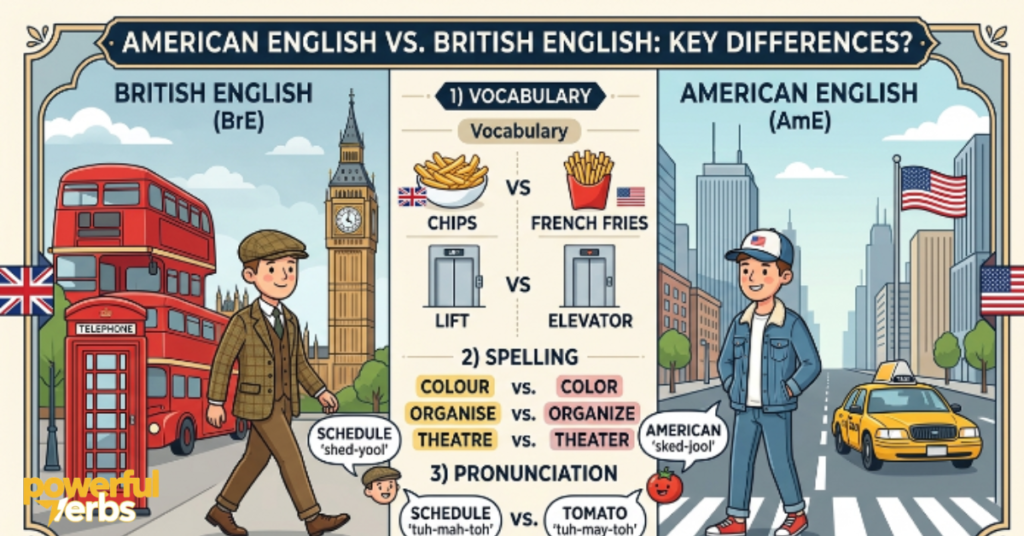
There is no regional variation here. American, British, Canadian, and Australian English all treat “using” as the only correct spelling, and none of them recognize “useing” in any formal context.
| Variety of English | Correct Spelling | Incorrect Spelling |
| American English | Using | Useing |
| British English | Using | Useing |
| Canadian English | Using | Useing |
| Australian English | Using | Useing |
Because the rule comes from a core principle of English spelling rather than a regional convention, there is nowhere in the English-speaking world where the second version becomes acceptable.
How to Use “Using” Correctly in a Sentence
In a workplace email, someone might write that the team is using a new project management tool to track deadlines more efficiently. In an academic paper, a researcher could explain that the results were obtained using a standard testing method approved by the department. A product review might mention that a customer has been using the same pair of headphones for over a year without any issues. Even in a quick social media caption, “loving this new app, using it every single day” reads naturally and correctly.
Across formal reports, casual conversations, instructional manuals, and creative writing, the spelling never changes. “Using” remains the only version that fits, regardless of how formal or relaxed the tone of the writing happens to be.
Common Mistakes and Why They Happen
The most frequent cause of this error is simply applying the general suffix rule without remembering the exception for silent “e” verbs, since most English suffixes attach without any letter changes at all. A second cause is fast typing, where a writer types the base word “use” out of habit and adds “ing” afterward without pausing to drop the final letter. A third cause is repeated exposure to the mistake in casual online writing, where readers absorb an incorrect spelling simply because they have seen it often enough for it to start looking familiar. None of these explanations make the spelling acceptable; they only explain why it keeps appearing.
A Simple Trick to Never Misspell “Using” Again
A reliable shortcut is to compare “use” with other common silent-“e” verbs that follow the same path, such as “hope,” “write,” and “make.” If “hoping,” “writing,” and “making” all clearly drop their final “e,” then “using” must follow the identical pattern. Picturing the silent “e” as a placeholder that disappears the moment “-ing” arrives makes the rule almost automatic after a small amount of practice.
see also: Fansly vs OnlyFans: Key Differences Explained (Complete Guide)
FAQs
Is “useing” ever accepted as an alternative spelling?
No. It does not appear in any major dictionary and is treated as a spelling error in every form of English, formal or informal.
Why does English drop the silent “e” before adding “-ing”?
The silent “e” becomes unnecessary once the suffix is attached, so it is removed to keep the spelling clean and consistent with how the rest of the language handles similar verbs.
Are there verbs where the final “e” is not dropped before “-ing”?
Yes. Verbs ending in “-ee,” “-oe,” or “-ye,” such as “agree,” “see,” and “dye,” keep their final letter to avoid confusing or awkward spellings.
Is “using” appropriate in formal and academic writing?
Yes. It is the standard, correct form in every register of writing, from casual messages to peer-reviewed research papers.
What is the difference between “using” and “usage”?
“Using” describes an action in progress, while “usage” is a noun referring to a pattern or amount of use, and the two are not interchangeable.
Does autocorrect reliably catch the mistake?
Most modern spellcheckers and keyboards flag “useing” automatically, though the error can still slip through in fast typing on devices with weaker autocorrect settings.
Final Thoughts
The confusion between “useing” and “using” comes down to a single, well-established rule rather than any real uncertainty in English. Verbs ending in a silent “e” drop that letter before “-ing” is added, which is why “using,” like “writing,” “hoping,” and “making,” is the only correct outcome. Remembering this one pattern, along with the small exception for verbs ending in “-ee,” “-oe,” and “-ye,” is enough to spell this word correctly in every type of writing from now on.

Liam Johnson is a dedicated language expert with 4 years of professional experience. He specializes in Grammar, Vocabulary, and Sentence structure.
