

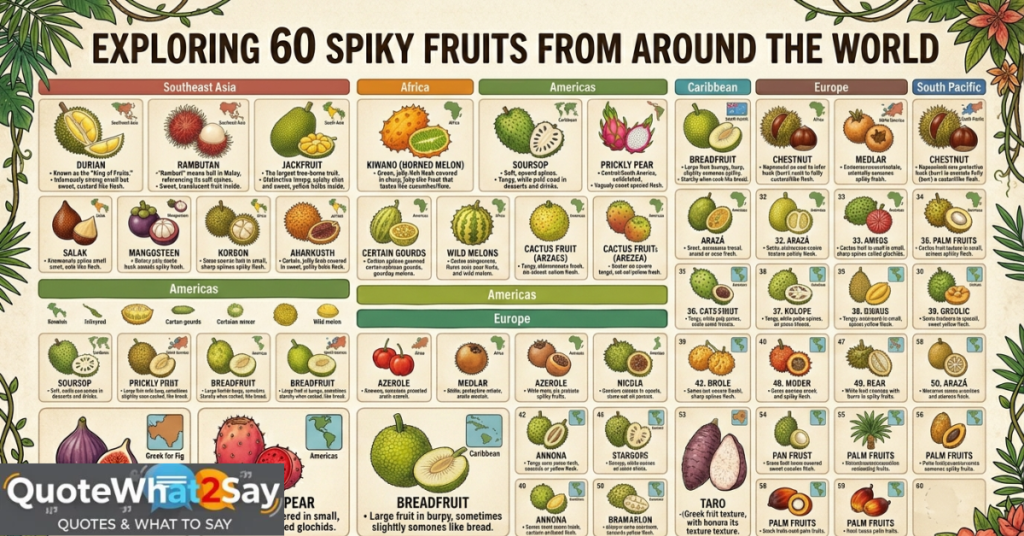
Have you ever picked up a fruit covered in sharp spines and wondered — is this safe to eat? You are not alone. Spiky fruits confuse millions of people worldwide, from casual shoppers in local markets to seasoned fruit lovers exploring tropical regions. Some spiny fruits hide the sweetest flesh imaginable, while others are completely toxic and dangerous to touch.
This complete guide covers 60+ spiky fruits from every corner of the globe. You will discover their names, appearances, flavors, origins, and fascinating facts that most guides never mention. Whether you are searching for green spiky fruit names, red spiky fruit names, or rare exotic varieties, this is the only guide you need.
What Makes a Fruit “Spiky”?
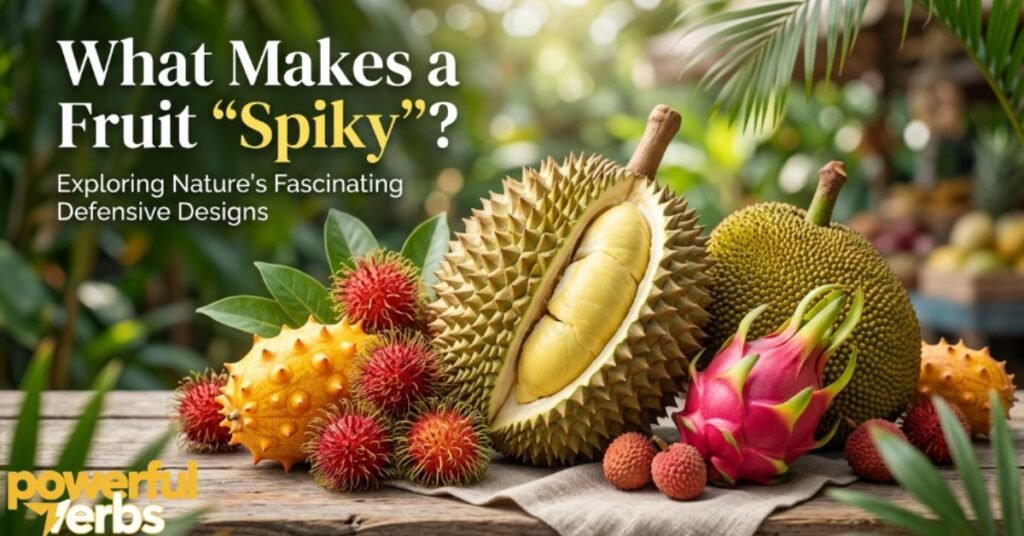
Not every rough-skinned fruit qualifies as truly spiky. Botanically speaking, spiky or spiny fruits develop protective outer coverings through one of three mechanisms:
- True thorns — hardened, sharp plant tissue connected to vascular bundles (e.g., Hawthorn)
- Prickles — outgrowths of the outer skin or bark, easily broken off (e.g., Rambutan)
- Spines — stiff, modified leaves or stipules (e.g., Cactus fruits)
Understanding this difference helps you handle these fruits safely and appreciate why plants evolved such dramatic defenses in the first place.
For a broader look at fruit names across every category, see our complete guide to 250+ fruit names.
Why Do Fruits Grow Spikes?
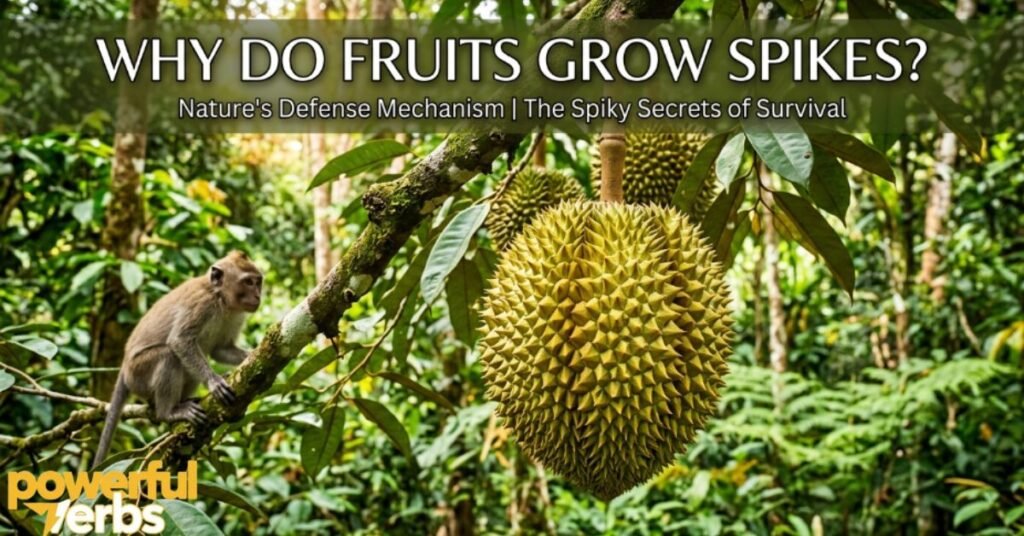
Spikes, thorns, and prickles on fruits serve several important evolutionary purposes:
- Predator protection — Sharp spines discourage animals from eating unripe fruit before seeds are mature.
- Seed dispersal — Hooked spines attach to animal fur and carry seeds to new locations.
- Heat and drought defense — In desert environments, spines reduce airflow around the fruit, lowering water loss.
- Fungal and pest deterrence — Physical barriers prevent insects and mold from reaching the flesh easily.
Now that you understand the science, let us explore every major category of spiky fruit on Earth.
Green, Red & Orange Spiky Fruit Names With Pictures
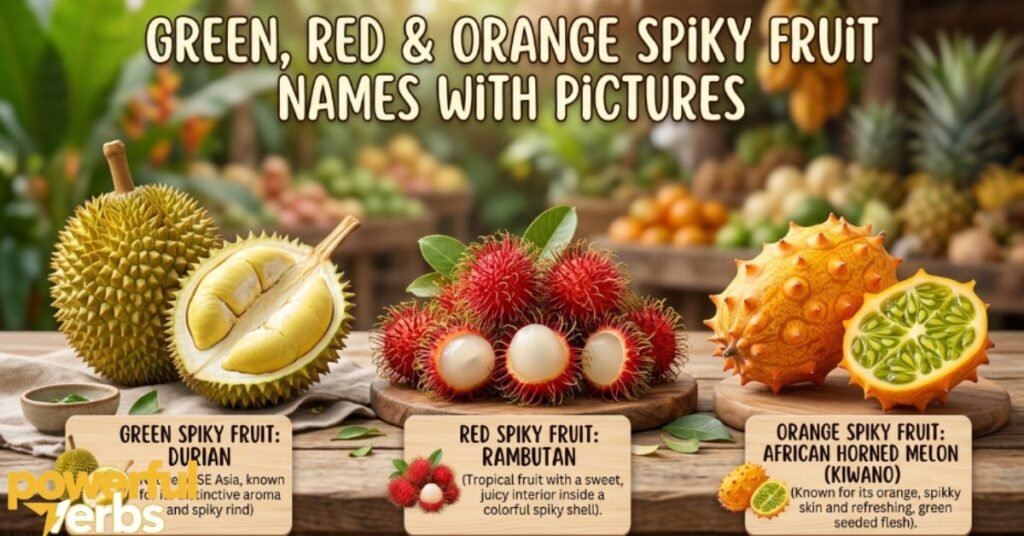
Whether you’re trying to identify a green spiky fruit like durian or soursop, a red spiky fruit such as rambutan or pulasan, or you’ve simply come across an unfamiliar fruit with spikes at a local market, this color-based breakdown makes identification quick and easy.
These are the most commonly searched spiky fruits grouped by their vibrant outer colors. Recognizing color is often the first step to identifying an unfamiliar spiny fruit in a market or garden.
If citrus is more your interest, check out our guide to 60+ orange fruit varieties.
1. Durian — The King of Fruits
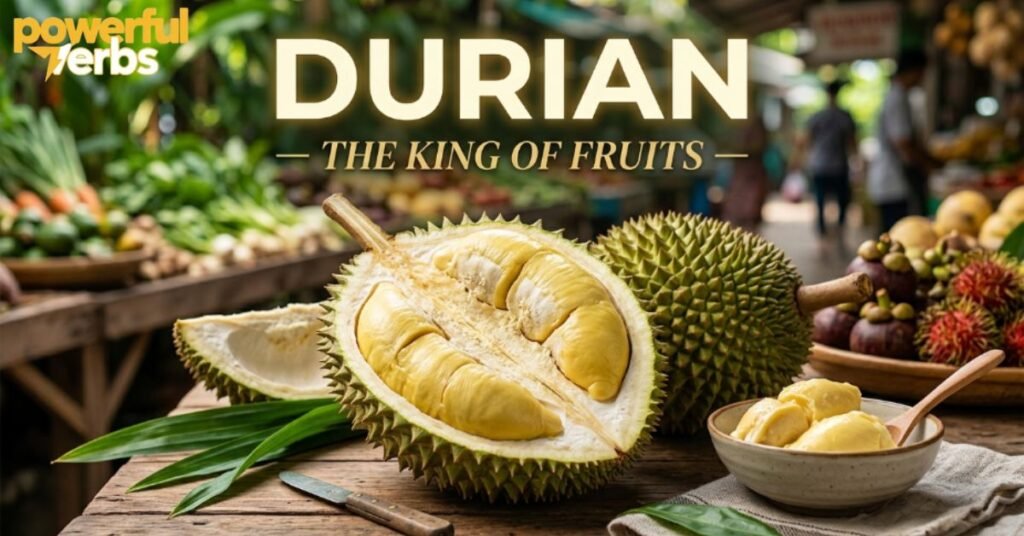
Origin: Borneo and Sumatra, Southeast Asia Color: Pale green to yellow-brown Taste: Rich, creamy, custard-like with notes of almond and vanilla Fun Fact: Durian is legally banned on public transport in Singapore, Thailand, and Japan due to its powerful odor.
Durian is arguably the most famous spiky fruit in the world. Its thick, armor-like shell is covered in hundreds of sharp pyramid-shaped thorns that can draw blood if gripped carelessly. Inside, the pale yellow segments are soft, buttery, and intensely sweet. Despite its notorious smell — often compared to gym socks mixed with caramel — millions of people across Southeast Asia consider it a prized delicacy. The fruit can weigh up to 7 kilograms and takes 5 to 6 years of tree growth before the first harvest.
How to open safely: Use thick gloves or a cloth towel. Score along the natural seam lines and pry open with a sturdy knife.
2. Rambutan — The Hairy Red Jewel
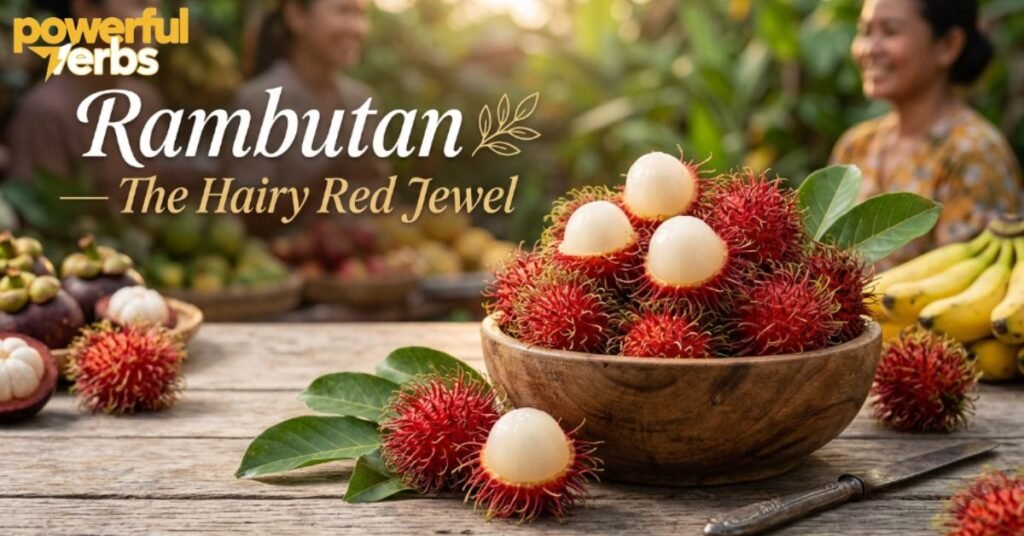
Origin: Malay Archipelago, Southeast Asia Color: Bright red, sometimes yellow-orange Taste: Sweet, juicy, lychee-like with floral notes Fun Fact: The name “Rambutan” comes from the Malay word “rambut,” meaning hair — a perfect description of its soft, flexible spines.
Rambutan is one of the most visually striking red spiky fruits in the world. Each fruit is covered in dozens of soft, hair-like spines that are completely harmless to touch. Beneath the leathery red skin lies translucent white flesh surrounding a single elongated seed. The flavor is delicate and sweet, making it a popular ingredient in Asian fruit salads, desserts, and cocktails. A mature rambutan tree can produce over 6,000 fruits in a single season.
Rambutan is one of the most visually striking red spiky fruits in the world. Each fruit is covered in dozens of soft, hair-like spines that are completely harmless to touch. Beneath the leathery red skin lies translucent white flesh surrounding a single elongated seed. The flavor is delicate and sweet, making it a popular ingredient in Asian fruit salads, desserts, and cocktails. A mature rambutan tree can produce over 6,000 fruits in a single season.
3. Kiwano (Horned Melon) — The Alien Fruit
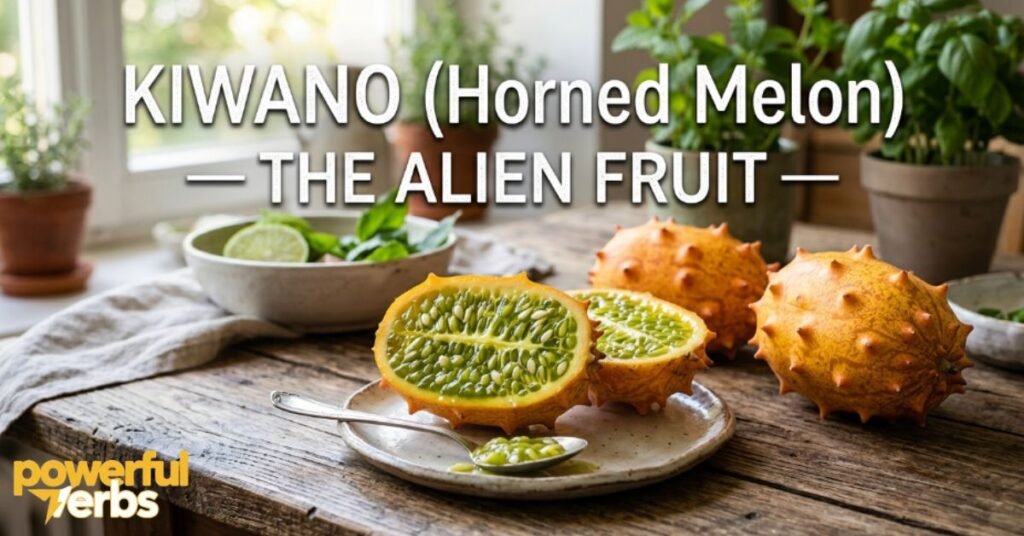
Origin: Sub-Saharan Africa Color: Bright orange exterior, vivid green interior Taste: Mild, refreshing blend of cucumber, banana, and lime Fun Fact: Kiwano was used as a water source by desert travelers in Africa long before it was commercially grown.
Kiwano earns its nickname “African Horned Melon” from the dramatic horn-like spikes covering its thick orange skin. The interior is one of the most visually unusual sights in the fruit world — a bright lime-green, jelly-like pulp studded with edible white seeds. Kiwano is now cultivated in New Zealand, Chile, and California. It is rich in Vitamin C, magnesium, and iron, making it as nutritious as it is photogenic.
4. Jackfruit — World’s Largest Tree Fruit
Origin: South and Southeast Asia Color: Green, turning yellowish when ripe Taste: Sweet, tropical, resembling a mix of mango, pineapple, and banana Fun Fact: A single Jackfruit can weigh up to 55 kilograms — the largest fruit produced by any tree on Earth.
Jackfruit’s rough, pebbly exterior is not as sharply spined as Durian, but its bumpy green skin is unmistakably distinctive. Inside are dozens of large, fleshy yellow bulbs surrounding seeds — both edible. Unripe Jackfruit has become globally popular as a meat substitute in vegan and vegetarian cooking due to its fibrous texture. Ripe Jackfruit smells intensely sweet and tropical. One tree can produce up to 200 fruits annually, making it an important food security crop across South Asia.
5. Soursop (Graviola) — Nature’s Pharmacy
Origin: Caribbean, Central and South America Color: Dark green with soft curved spines Taste: Sweet-sour, tropical blend of strawberry, pineapple, and citrus Fun Fact: Soursop leaves, bark, and fruit have been studied extensively for potential anti-cancer compounds, though clinical research is still ongoing.
Soursop’s exterior is covered in soft, curved green spines that feel more rubbery than sharp. The white fibrous pulp inside contains numerous shiny black seeds. It is widely used in tropical juices, ice creams, and herbal teas across Latin America and the Caribbean. Soursop is high in Vitamin C, B vitamins, and antioxidants. The fruit typically weighs between 1.5 and 5 kilograms at maturity.
Soursop’s exterior is covered in soft, curved green spines that feel more rubbery than sharp. The white fibrous pulp inside contains numerous shiny black seeds. It is widely used in tropical juices, ice creams, and herbal teas across Latin America and the Caribbean. Soursop is high in Vitamin C, B vitamins, and antioxidants. The fruit typically weighs between 1.5 and 5 kilograms at maturity.
6. Lychee — Asia’s Beloved Red Gem
Origin: Southern China Color: Bright red to pinkish-red Taste: Sweet, floral, refreshing with rose-like aroma Fun Fact: Lychee has been cultivated in China for over 2,000 years and was historically reserved for royal courts.
Lychee features a bumpy, slightly rough reddish shell rather than true sharp spines. Its translucent white flesh is juicy and intensely fragrant. A single large seed sits at the center. Lychee is rich in Vitamin C, potassium, and copper. It is consumed fresh, dried, canned, and as flavoring in beverages worldwide. During peak season, a single lychee tree can produce over 100 kilograms of fruit.
Longan — Lychee’s Understated Cousin
Origin: Southern China and Southeast Asia
Color: Light brown, slightly rough skin
Taste: Sweet, musky, milder than lychee
Fun Fact: The name “Longan” translates to “dragon eye” in Chinese, inspired by the fruit’s appearance once peeled — the black seed resembles a pupil surrounded by translucent white flesh.
Longan doesn’t carry sharp spines like its cousin lychee — its skin is only lightly rough and leathery rather than truly spiny. Once peeled, the translucent flesh reveals a texture similar to lychee but with a subtler, slightly woody sweetness. Longan is dried extensively and used in traditional Chinese medicine and desserts, especially in soups believed to promote calmness and better sleep. A mature longan tree can produce fruit for decades, with some old orchards in China still yielding harvests after more than 100 years.
7. Prickly Pear (Cactus Fruit) — Desert’s Sweet Treasure
Origin: Americas, now grown globally Color: Red, orange, purple, or yellow Taste: Sweet, watermelon-like with mild berry notes Fun Fact: Prickly pear has been a staple food of indigenous Mexican and Native American communities for over 9,000 years.
Prickly pear grows on flat, paddle-shaped cactus pads and develops from vibrant flowers. The fruit is covered in tiny, nearly invisible hair-like spines called glochids — these are far more irritating than the larger spines because they are barbed and difficult to remove from skin. Always use tongs or thick gloves when handling. Inside, the pulp is juicy and sweet, used in syrups, jams, candies, and cocktails.
As one of the most recognizable prickly fruit varieties worldwide, prickly pear is often the first fruit people picture when they hear “spiky fruit” — despite its spines being far smaller and finer than durian’s.
8. Salak (Snake Fruit) — The Scaly Marvel
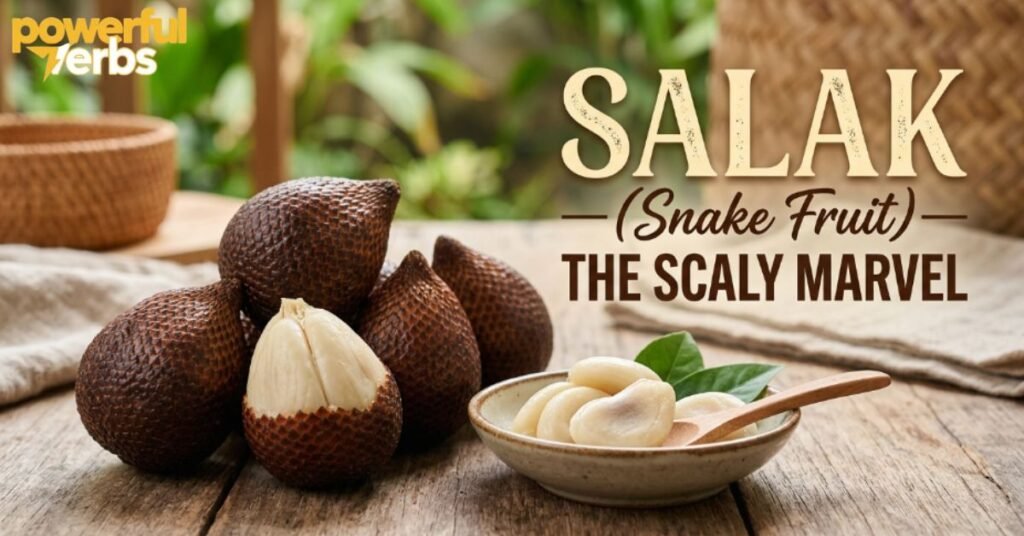
Origin: Indonesia, particularly Java and Bali Color: Dark reddish-brown with scaly, pointed surface Taste: Sweet, astringent, crunchy — resembling honey-dipped apple with a dry finish Fun Fact: The snake fruit tree is unusual because it grows in clusters directly from the base of the trunk rather than from branches.
Salak gets its nickname “snake fruit” from its reddish-brown scales that closely resemble snake skin. Peel back this scaly exterior and you find crisp, ivory-colored segments surrounding an inedible brown seed. The texture is remarkably crunchy for a tropical fruit. Salak is rich in potassium, beta-carotene, and dietary fiber. It is widely consumed fresh and also processed into chips, wine, and vinegar in Indonesia.
9. Breadfruit — The Staple Spiky Fruit
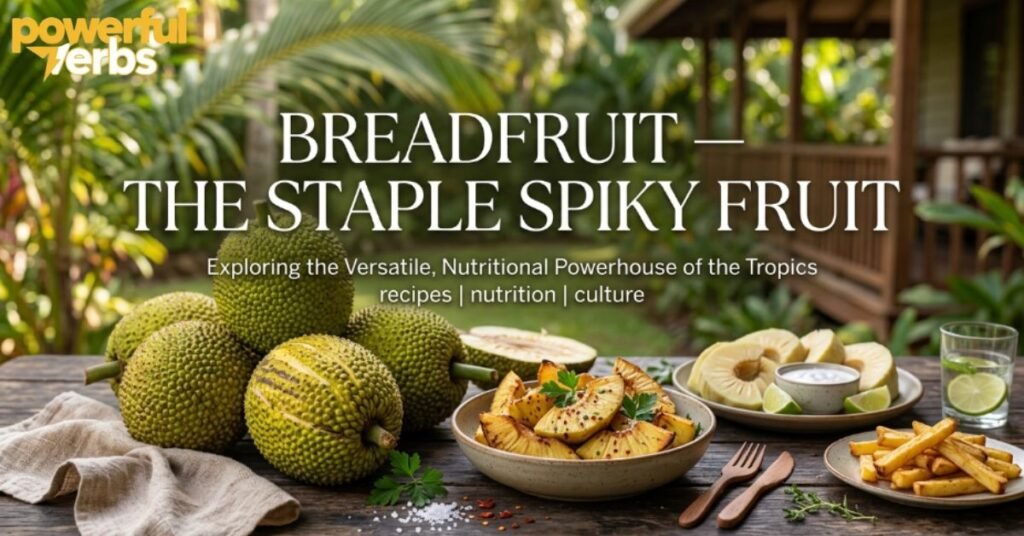
Origin: Pacific Islands, now grown across tropics Color: Green, textured surface with polygon-shaped bumps Taste: Starchy, mild — potato-like when cooked, slightly sweet when ripe Fun Fact: Captain William Bligh’s 1789 voyage to collect breadfruit plants for the Caribbean led to the famous Mutiny on the Bounty.
Breadfruit has a textured, bumpy surface rather than sharp spines, but its distinctive exterior earns it a place among spiky fruits. The fruit can reach 30 centimeters in diameter. When green and unripe, the starchy flesh is roasted, fried, or boiled as a vegetable. When fully ripe, it becomes soft and mildly sweet. Breadfruit is exceptionally nutritious — one fruit contains significant amounts of Vitamin C, potassium, dietary fiber, and complex carbohydrates.
Spiky Asian Fruits — Rare and Exotic Varieties
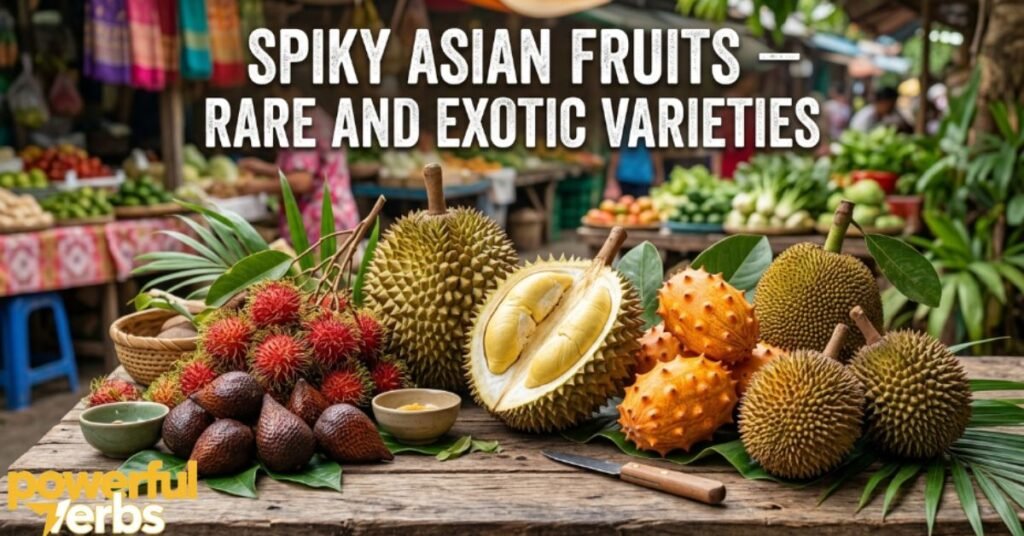
Asia is home to the greatest diversity of spiky fruits on Earth. Many of these varieties are virtually unknown outside their home regions.
10. Pulasan — Rambutan’s Sweeter Cousin
Origin: Malaysia, Thailand, Indonesia Color: Dark red to maroon with short, blunt spines Taste: Sweeter than rambutan, with a thicker, juicier flesh Fun Fact: Unlike rambutan, Pulasan seeds are edible when roasted and taste similar to almonds.
Pulasan looks almost identical to rambutan at first glance, but its spines are shorter and stubbier. The flesh clings less firmly to the seed, making it easier to eat. Pulasan trees thrive in lowland tropical rainforests and are far less commercially cultivated than rambutan, making fresh pulasan a genuine tropical rarity outside Southeast Asia.
11. Cempedak — Jackfruit’s Aromatic Relative
Origin: Malaysia, Indonesia, Brunei Color: Green to yellowish-brown, rough spiny skin Taste: Sweeter and stronger-smelling than jackfruit, with honey-like richness Fun Fact: Cempedak flesh is commonly battered and deep-fried as a popular street food in Malaysia.
Cempedak belongs to the same botanical family as jackfruit but is typically smaller and significantly more aromatic. Its rough, spiny exterior is similar to jackfruit, but the interior flesh is distinctly sweeter and more pungent. Cempedak is highly perishable — it must be consumed within days of harvest, which limits its global distribution. The seeds are also edible when boiled or roasted.
12. Marang — The Fragrant Philippine Treasure
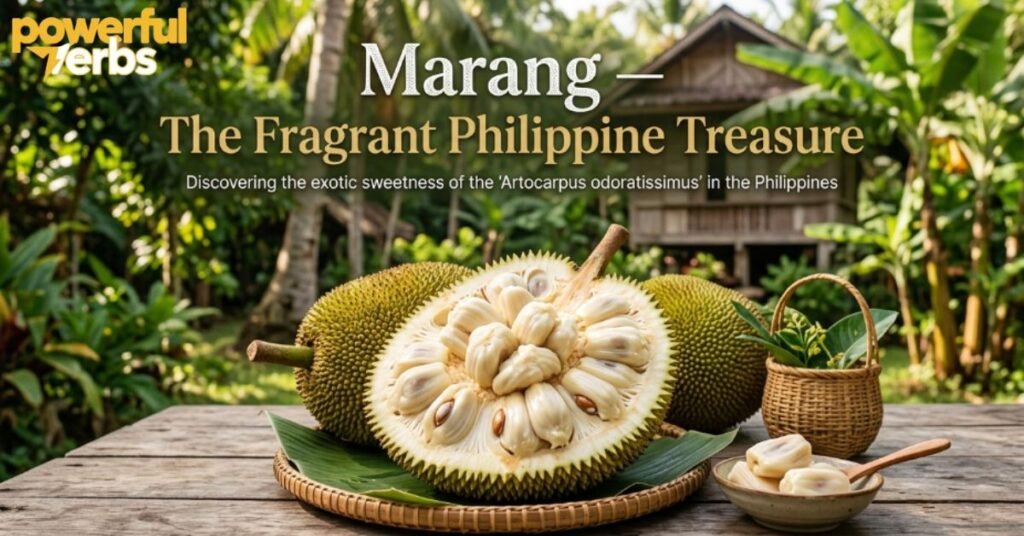
Origin: Mindanao, Philippines; Borneo Color: Green with soft, blunt spines Taste: Creamy, sweet, vanilla-coconut flavor — milder than jackfruit Fun Fact: Marang produces such intense fragrance when ripe that it attracts wildlife from considerable distances in its native jungle habitat.
Marang is often described as the sweetest member of the jackfruit family. Its green exterior has soft, harmless spines. Inside, the creamy white segments separate easily and dissolve on the tongue. The fruit must be eaten immediately after opening — it oxidizes and ferments rapidly. Outside the Philippines and Borneo, fresh marang is extremely rare, making it a prized find for tropical fruit enthusiasts.
13. Gac Fruit — The Superfruit of Vietnam
Origin: Vietnam, Southeast Asia Color: Bright orange-red, warty-spiky rind Taste: Mild, slightly sweet — primarily used for nutritional value rather than fresh eating Fun Fact: Gac fruit contains one of the highest concentrations of lycopene ever measured in any food — nearly 70 times more than tomatoes.
Gac fruit’s dramatic deep-red interior contains powerful antioxidants, including lycopene, beta-carotene, and zeaxanthin. The bright orange-red exterior has a distinctly warty, bumpy surface with mild spiny protrusions. In Vietnam, gac is traditionally cooked with glutinous rice to create a ceremonial dish called Xôi gấc, which is served at weddings and Lunar New Year celebrations.
14. Santol — Southeast Asia’s Tart Delight
Origin: Indochina, Malay Peninsula Color: Yellow to reddish-brown with slightly rough skin Taste: Sweet and sour — pulp ranges from tangy to pleasantly sweet depending on variety Fun Fact: In Thailand, unripe santol is a popular ingredient in spicy salads and pickled condiments.
Santol’s rough outer skin is not sharply spiny, but its texture and structure place it firmly in the family of rough-skinned tropical fruits. Inside, the white or pinkish pulp surrounds seeds that can be either sucked clean or eaten. Santol is extremely popular in Thailand, the Philippines, and Cambodia, where it is consumed fresh, pickled, and cooked in savory dishes.
15. Annona — The Spiny Custard Family
Origin: Tropical Americas, now grown in Asia and Africa Color: Green with bumpy to spiny exterior Taste: Creamy, sweet, custard-like with tropical notes Fun Fact: There are over 170 species in the Annona genus, making it one of the most diverse tropical fruit families.
Several Annona species develop distinctly spiny or knobby outer surfaces. These fruits share a creamy, sweet interior with numerous black seeds. The family includes some of the most prized tropical fruits on Earth, including Soursop, Sugar Apple, Cherimoya, and Atemoya. Each species offers subtle differences in flavor and texture.
16. Cherimoya — Mark Twain’s Favorite Fruit
Origin: Andean valleys of South America Color: Green with distinctive thumbprint-pattern knobby skin Taste: Sweet, creamy, tropical — blend of banana, pineapple, and vanilla Fun Fact: Mark Twain famously called Cherimoya “the most delicious fruit known to men.”
Cherimoya’s distinctive surface looks like a collection of overlapping thumbprints or scales. While not sharply spiny, the knobby exterior earns its place among rough-skinned exotic fruits. Inside, the creamy white flesh melts on the tongue with an almost ice-cream-like texture. Cherimoya is high in Vitamin C, B6, and dietary fiber. It grows at high altitudes in subtropical climates, making it relatively rare in global markets.
17. Custard Apple (Sugar Apple) — Nature’s Dessert
Origin: Tropical Americas, widely grown in Asia Color: Green with segmented, bumpy surface Taste: Intensely sweet, creamy, with notes of custard and vanilla Fun Fact: Sugar Apple is among the sweetest fruits on Earth, with some varieties reaching 25% sugar content by weight.
Custard Apple’s segmented, knobby exterior separates it visually from other tropical fruits. Each segment corresponds to a segment of sweet flesh inside, surrounding a small black seed. The flesh is soft, rich, and almost dessert-like in sweetness. It is widely eaten fresh across South and Southeast Asia. The fruit is also valued in Ayurvedic medicine for its cooling and digestive properties.
Curious about other exotic tropical fruits? Our guide to 30+ passion fruit varieties is worth a look.
Cactus Spiky Fruits — Desert Survivors

Cactus fruits represent some of nature’s most extraordinary examples of survival engineering. These fruits thrive in environments where most plants cannot exist.
18. Dragon Fruit (Pitaya) — The Instagram Fruit
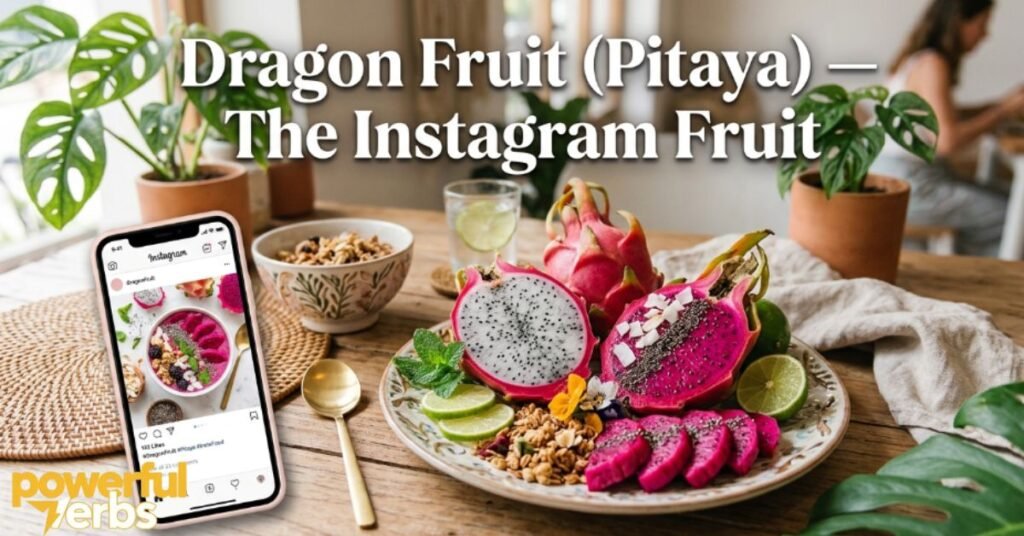
Origin: Central America, now cultivated across Asia Color: Bright pink/red or yellow exterior with green scale-like fins Taste: Mildly sweet, refreshing — often compared to a bland kiwi Fun Fact: Dragon fruit flowers bloom for only a single night and must be pollinated within hours, typically by bats or moths.
Dragon fruit is among the most photographed fruits in the world, and for good reason. Its brilliant pink exterior covered in overlapping green scales makes it look like something from a fantasy novel. The interior is either white or deep red, depending on variety, filled with tiny edible black seeds throughout the flesh. Dragon fruit is grown commercially across Vietnam, Thailand, Malaysia, Israel, and Australia. While its flavor is milder than its appearance suggests, it is rich in Vitamin C, antioxidants, and prebiotic fiber.
19. Saguaro Cactus Fruit — Arizona’s Ancient Harvest
Origin: Sonoran Desert, Arizona and Mexico Color: Red exterior, bright red interior Taste: Sweet, fig-like, intensely flavored Fun Fact: The Tohono O’odham people of Arizona have harvested Saguaro fruit for over 2,000 years, marking the beginning of their traditional new year.
Saguaro cactus fruit grows at the tips of the iconic towering saguaro cactus arms. When ripe, the fruit splits open naturally, revealing crimson pulp that is both sweet and intensely flavored. The seeds are edible and nutritious. Indigenous communities have traditionally harvested this fruit using long poles made from dried saguaro ribs. The pulp is consumed fresh, fermented into ceremonial wine, and dried into syrup.
20. Organ Pipe Cactus Fruit

Origin: Sonoran Desert borderlands of Arizona and Mexico Color: Red-purple exterior, deep red interior Taste: Sweet, watermelon-adjacent, refreshing Fun Fact: The Organ Pipe Cactus blooms only at night and is pollinated exclusively by lesser long-nosed bats.
Organ pipe cactus fruit closely resembles a small oval with a reddish-purple exterior. The interior pulp is sweet and refreshing — sometimes compared to watermelon in flavor. This fruit has been an important food source for desert-dwelling communities for millennia. It ripens during summer monsoon season and must be harvested quickly before wildlife consumes it.
21. Barrel Cactus Fruit
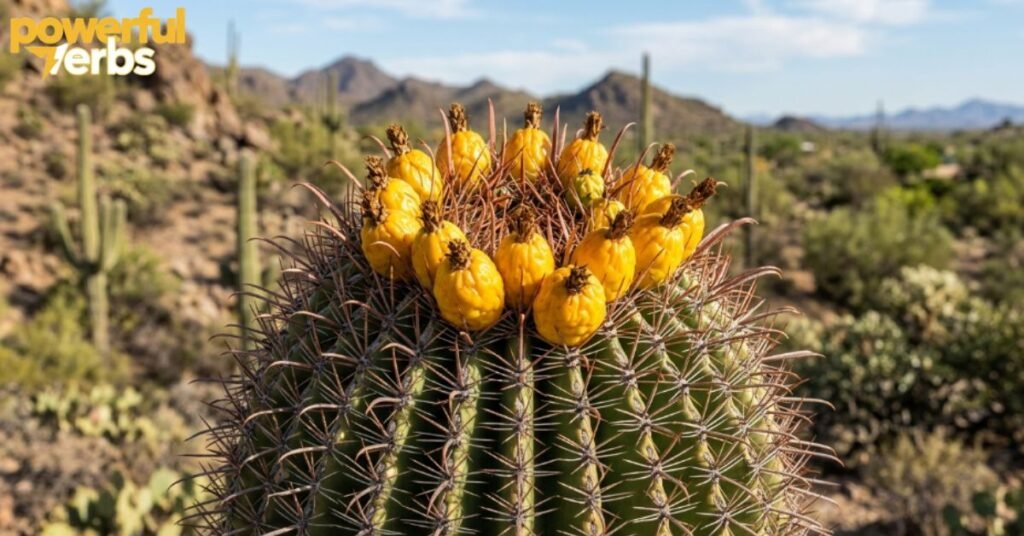
Origin: Deserts of southwestern United States and Mexico Color: Yellow to red Taste: Tart, slightly sour with a lemony quality Fun Fact: Barrel cactus fruits remain on the plant long after the cactus itself has died, often for over a year.
Barrel cactus produces small, pineapple-shaped fruits from its crown after flowering. The fruits are yellow to reddish and contain white pulp with black seeds. Although edible, the flesh is quite tart and sour compared to other cactus fruits. Indigenous peoples traditionally used barrel cactus fruit to make a sour fermented beverage.
22. Cholla Cactus Fruit

Origin: Sonoran and Chihuahuan Deserts, North America Color: Green to reddish Taste: Edible but bitter — consumed primarily in survival situations Fun Fact: Cholla cactus spines are barbed and can detach from the plant, latching onto passing animals — earning it the nickname “jumping cactus.”
Cholla cactus fruit is edible but not commonly consumed due to its bitter flavor. Desert wildlife, including deer and javelinas, eat cholla fruits during periods of food scarcity. The seeds inside are also edible. For humans, cholla fruit represents more of a survival food than a culinary ingredient.
Rare and Unusual Spiky Fruits
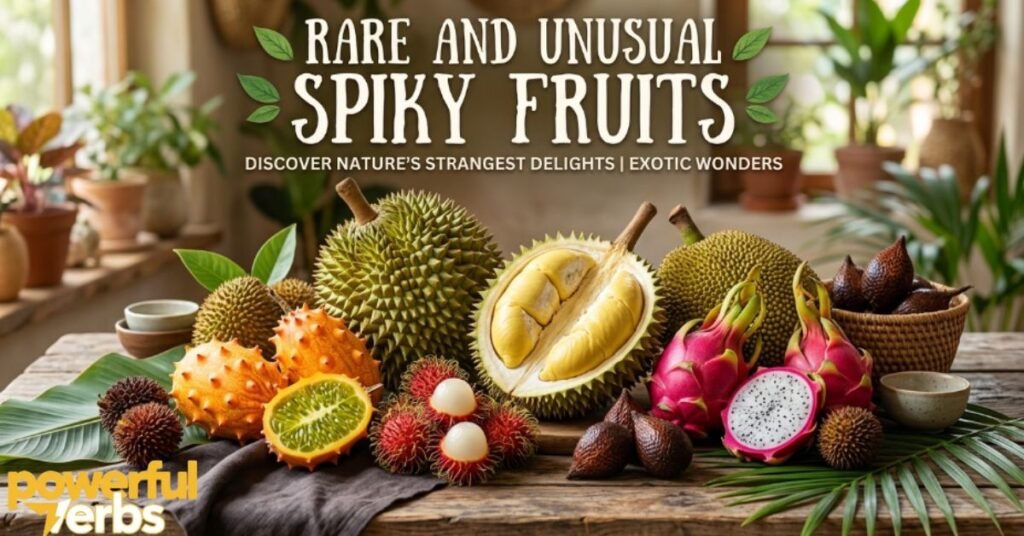
These fruits are rarely discussed in mainstream fruit guides but deserve recognition for their uniqueness, ecological importance, or cultural significance.
23. Hedgehog Fruit (Durio graveolens)
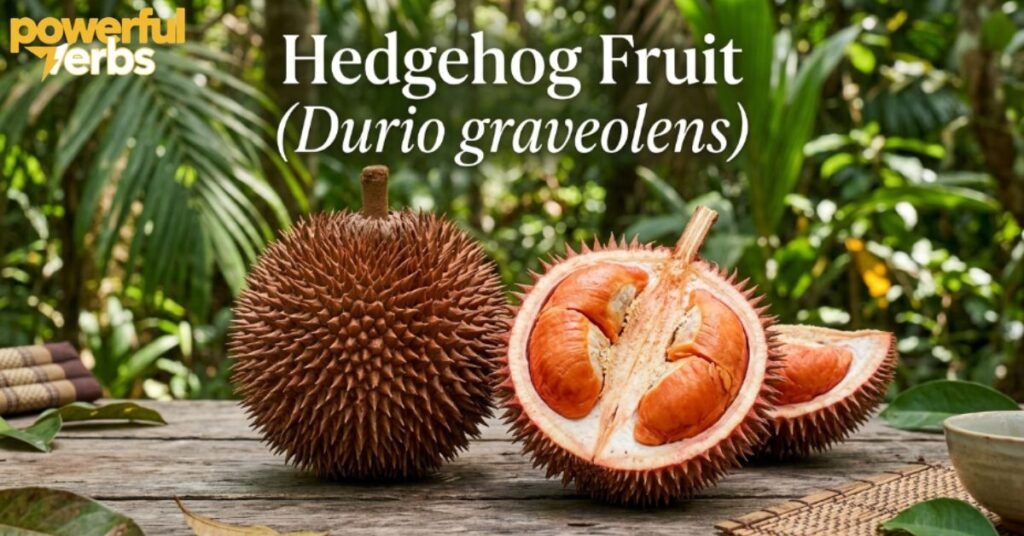
Origin: Borneo, Sumatra Color: Bright orange-red spiky shell Taste: Creamy, sweet, less pungent than common durian Fun Fact: The Hedgehog Fruit is often preferred by wildlife over the common durian because its smell is milder and its flesh is equally nutritious.
Durio graveolens, commonly called the Hedgehog Fruit, is a wild relative of the common durian. Its exterior is bright orange-red — far more striking than the pale green of regular durian. The flesh inside is yellow-orange and creamy, with a sweeter, more approachable flavor. This species is particularly favored by orangutans, sun bears, and hornbills in its native rainforest habitat.
24. Pandanus Fruit (Screw Pine Fruit)
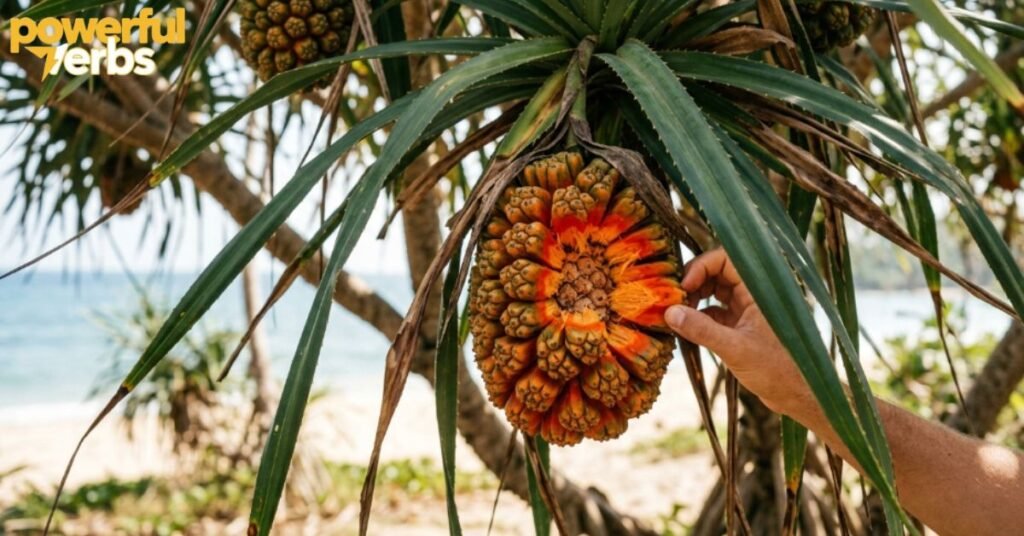
Origin: Coastal regions of Africa, Asia, and Pacific Islands Color: Orange to red when ripe, composed of multiple segments Taste: Fibrous, starchy, mildly sweet — different segments vary in edibility Fun Fact: Pandanus leaves are more widely used than the fruit itself — they are used to flavor rice, desserts, and savory dishes across Southeast Asia.
Pandanus fruit is enormous — often 30 centimeters or more in diameter — and composed of dozens of tightly packed individual segments called drupes. Some segments are fibrous and starchy, others contain edible pulp. The Pandanus tree grows in coastal and tropical environments. Various island communities in the Pacific have traditionally relied on pandanus fruit as a staple food.
25. Osage Orange (Hedge Apple)
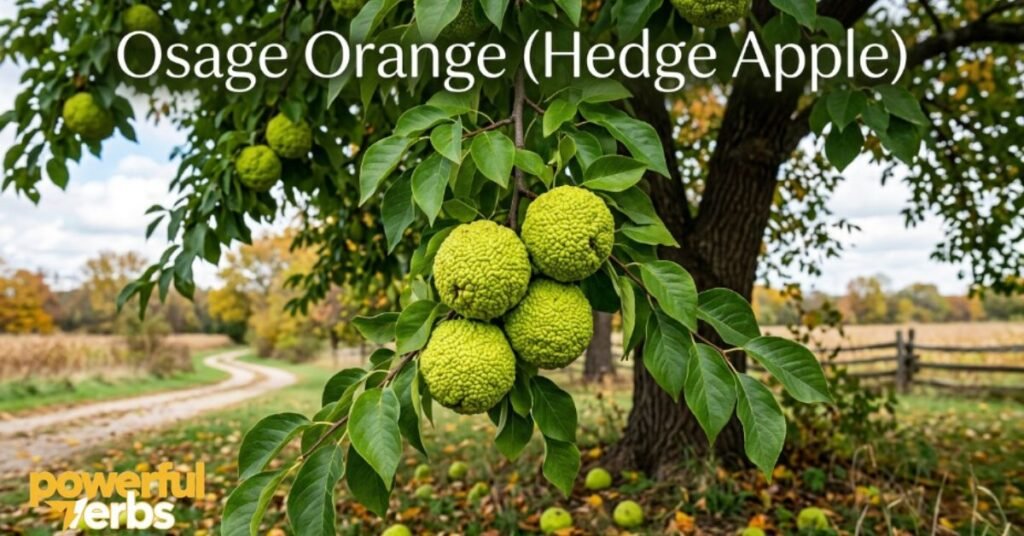
Origin: South-central United States Color: Green to yellow-green, brain-like bumpy surface Taste: Inedible for humans — acrid, milky latex Fun Fact: Despite its common name, Osage Orange is not related to citrus oranges. It is a member of the mulberry family.
Osage Orange produces large, brain-textured green fruits that weigh up to 600 grams. Despite their impressive appearance, they are not consumed by humans due to an unpleasant latex sap. Wildlife occasionally eat the seeds. The fruit is sometimes placed around home foundations as a natural insect repellent, though scientific evidence for this is limited.
26. Monkey Orange
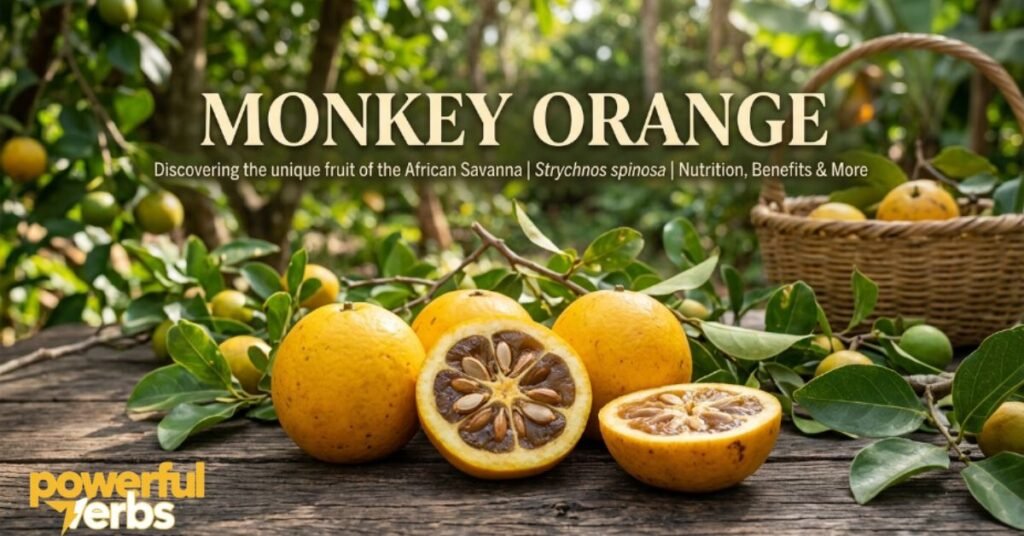
Origin: Sub-Saharan Africa Color: Hard yellowish-brown rind Taste: Sweet, aromatic, date-like pulp Fun Fact: Monkey Orange fruit is used in traditional African brewing to make a mildly fermented beverage.
Monkey Orange is a native African fruit with a hard, knobby, slightly spiny rind. Inside, the orange to yellow pulp surrounds large seeds and has a sweet, aromatic flavor. It is consumed by humans and wildlife alike, including baboons, vervet monkeys, and elephants. The fruit also holds cultural significance in several southern African communities.
27. Sweet Chestnut (Spiky Burr)
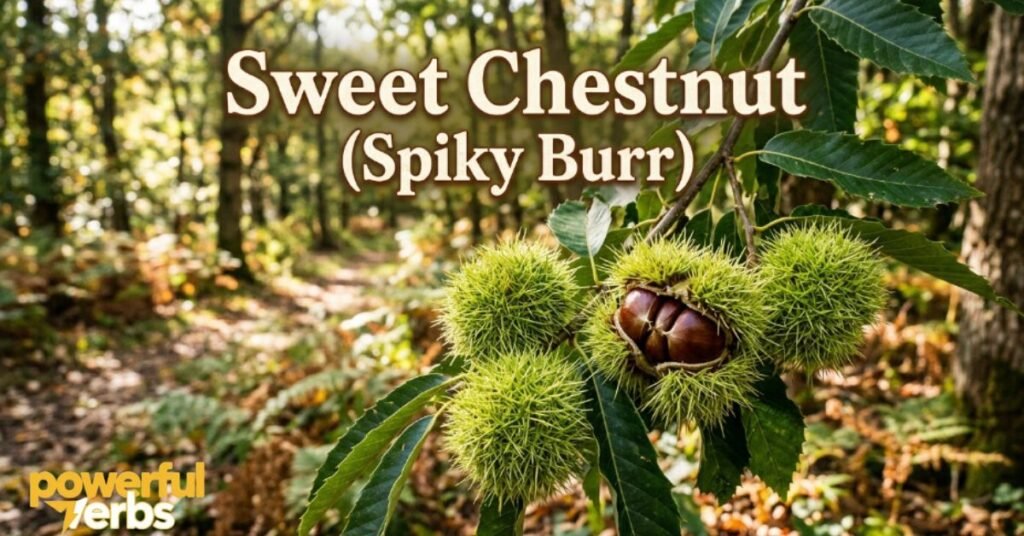
Origin: Southern Europe, western Asia Color: Green spiny burr turning brown at maturity Taste: Sweet, nutty, starchy — excellent roasted Fun Fact: Sweet chestnuts were a primary calorie source for entire mountain communities in southern Europe before the introduction of potatoes.
Sweet chestnuts develop inside spectacularly spiny green burrs that split open when ripe to reveal one to three glossy brown nuts. Unlike horse chestnuts, sweet chestnuts are fully edible and highly nutritious. They are rich in complex carbohydrates, Vitamin C, and minerals. Roasted chestnuts remain an iconic street food across Europe and Asia.
28. Horse Chestnut (Spiny Husk)
Origin: Balkans, southeastern Europe Color: Green spiny husk, mahogany brown seed Taste: Inedible raw — extremely bitter, contains toxic saponins Fun Fact: Children in the UK traditionally play a game called “Conkers” using horse chestnuts threaded on string — a cultural pastime for centuries.
Horse chestnut fruit develops inside a thick green husk covered in fairly stout spines. The shiny brown seed inside resembles a sweet chestnut but is significantly different — containing toxic compounds called aescin and saponins that make it dangerous to consume without proper processing. Horse chestnut extracts are used medicinally in treating varicose veins and venous insufficiency
29. Beech Nut (Spiny Husk)
Origin: Temperate forests of Europe, Asia, North America Color: Brown spiny husk Taste: Mildly sweet, nutty — best when roasted Fun Fact: Beech forest floors were historically used to feed pigs in Europe, a practice called “pannage” that is still occasionally practiced in England’s New Forest.
Beech nuts develop inside small, four-sided spiny husks. Each husk contains two or three small triangular nuts. Although edible after roasting, beech nuts are rarely consumed commercially due to their small size. They contain beneficial oils, proteins, and a small amount of saponins that are neutralized by heat during roasting.
If you enjoy discovering unusual fruit names, our A-to-Z fruit guides cover dozens more rare varieties.
Thorny and Spiny Berry Fruits
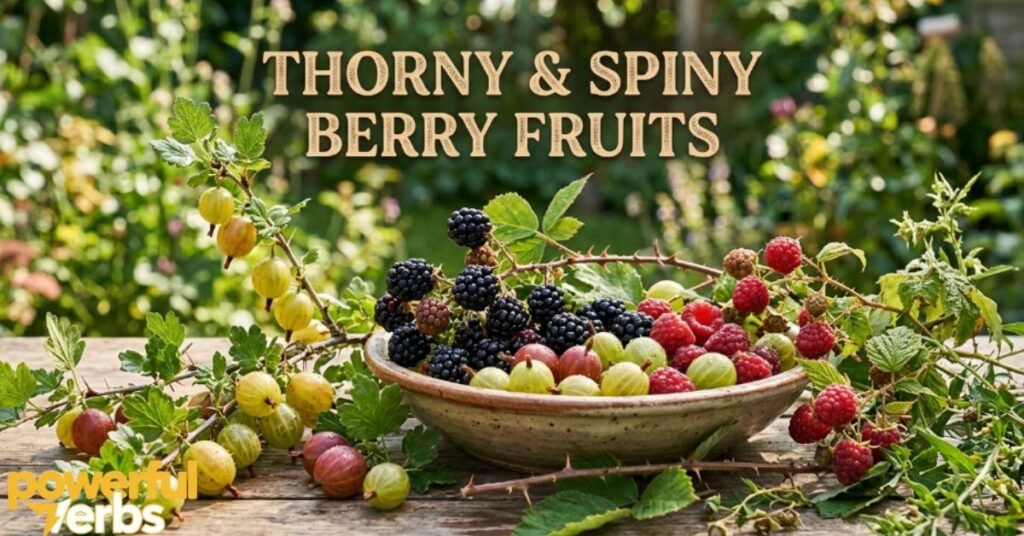
Several berry-producing plants grow on thorny or spiny shrubs, producing small fruits that are highly nutritious and widely used in traditional foods and medicines.
30. Sea Buckthorn Berries
Origin: Europe and Asia, especially Himalayan regions Color: Bright orange to yellow Taste: Intensely tart, acidic — used in juices, oils, and jams Fun Fact: Sea buckthorn berries contain 12 times more Vitamin C than oranges by weight.
Sea buckthorn berries grow in dense clusters on severely thorny shrubs. Harvesting requires protective gloves and careful technique. The berries are too tart to eat raw in large quantities but are prized for their extraordinary nutritional density. Sea buckthorn oil, extracted from the berries and seeds, is used in skincare products worldwide for its skin-regenerating properties.
31. Hawthorn Fruit (Haw)
Origin: Europe, Asia, North America Color: Deep red to dark purple Taste: Tart, mealy — used in jams, jellies, wines, and traditional medicine Fun Fact: Hawthorn has been used in European herbal medicine for heart health since at least the 1st century AD.
Hawthorn shrubs and trees are armed with long, sharp thorns that make harvesting challenging. The small red berries, called haws, contain a single hard seed surrounded by mealy but flavorful flesh. Hawthorn extract is widely studied and used in traditional Chinese medicine, European herbalism, and modern cardiology research for its potential to support cardiovascular health.
32. Blackthorn (Sloe)
Origin: Europe, western Asia, northwestern Africa Color: Dark blue-black with a dusty bloom Taste: Extremely tart and astringent when raw — mellows significantly after frost Fun Fact: Sloe berries are the primary flavoring ingredient in Sloe gin, a British liqueur with centuries of tradition.
Blackthorn is one of Europe’s most viciously thorned shrubs. Its small blue-black berries are nearly inedible when raw due to extreme tartness and astringency. After the first frost of winter, the tannins break down and the flavor mellows considerably. Sloe berries are used to make sloe gin, jams, jellies, sloe wine, and various liqueurs across the British Isles and Europe.
33. Desert Lime
Origin: Arid regions of Australia Color: Small, green to yellowish-green Taste: Intensely tart, citrusy, with strong Vitamin C punch Fun Fact: Desert lime is one of Australia’s most commercially promising native bush foods, with a flavor profile that chefs describe as “lime on steroids.”
Desert lime grows on thorny shrubs in arid and semi-arid regions of eastern Australia. Each small fruit is packed with far more Vitamin C than a conventional lime. Aboriginal Australians have consumed desert lime for thousands of years. Today it is increasingly used by Australian chefs in sauces, marmalades, drinks, and desserts as part of the growing native bush food movement.
34. Kei Apple
Origin: Southern and eastern Africa Color: Yellow to orange when ripe Taste: Tart to sweet, refreshing, plum-like Fun Fact: Kei apple hedges were historically planted around homesteads in southern Africa as living fences due to the plant’s extremely dense and sharp thorns.
Kei apple grows on densely thorned shrubs that form near-impenetrable hedges. The small, oval fruit ripens to a bright yellow-orange and contains juicy, slightly tart pulp. It is consumed fresh and also used in jams, preserves, and chutneys across southern Africa. The fruit is high in Vitamin C and antioxidants.
35. Natal Plum
Origin: Coastal South Africa (KwaZulu-Natal) Color: Bright red when ripe Taste: Sweet, slightly tart — reminiscent of cranberry with tropical notes Fun Fact: All parts of the Natal plum plant are mildly toxic except the fully ripe red fruit, making correct identification important.
Natal plum grows on a thorny shrub with distinctive forked spines. When fully ripe, the bright red oval fruits are safe and delicious, used fresh in salads, jams, and desserts. Unripe green fruits should be avoided. The plant is widely grown as an ornamental hedge in warm coastal gardens worldwide.
Toxic Spiky Fruits — Handle With Extreme Caution
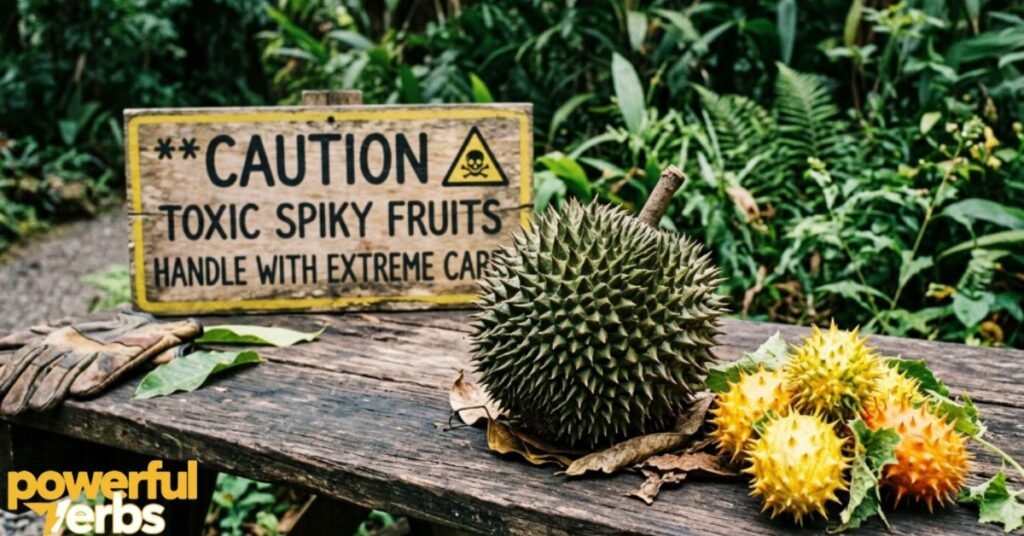
Not all spiky fruits are edible. Some are not only inedible but actively dangerous. Understanding these is critical for safety.
36. Datura Fruit (Thorn Apple) — Dangerously Toxic
Origin: Worldwide in warm climates Color: Green to brown, covered in stout spines Taste: Do NOT consume — all parts are poisonous Warning: Datura contains powerful alkaloids (atropine, scopolamine, hyoscyamine) that cause severe hallucinations, seizures, heart failure, and death. Every part of this plant is toxic — seeds, fruit, flowers, leaves, and roots.
Datura fruit is a distinctive green spiny capsule that splits open when dry, releasing numerous small seeds. Despite its dramatic appearance, it should never be touched or consumed. Even skin contact with broken plant material can cause symptoms in sensitive individuals. This plant has been involved in numerous accidental poisonings worldwide.
37. Castor Bean Fruit — Highly Toxic
Origin: Eastern Africa and India, now naturalized worldwide Color: Reddish-green with soft spines Warning: Castor beans contain ricin — one of the most potent natural toxins known. A single seed can be lethal to a child.
Castor bean fruit is a spiny, reddish-green capsule containing three large, mottled seeds. While castor oil extracted commercially through heat processing is safe, the raw seeds are extraordinarily dangerous. Never consume any part of this plant.
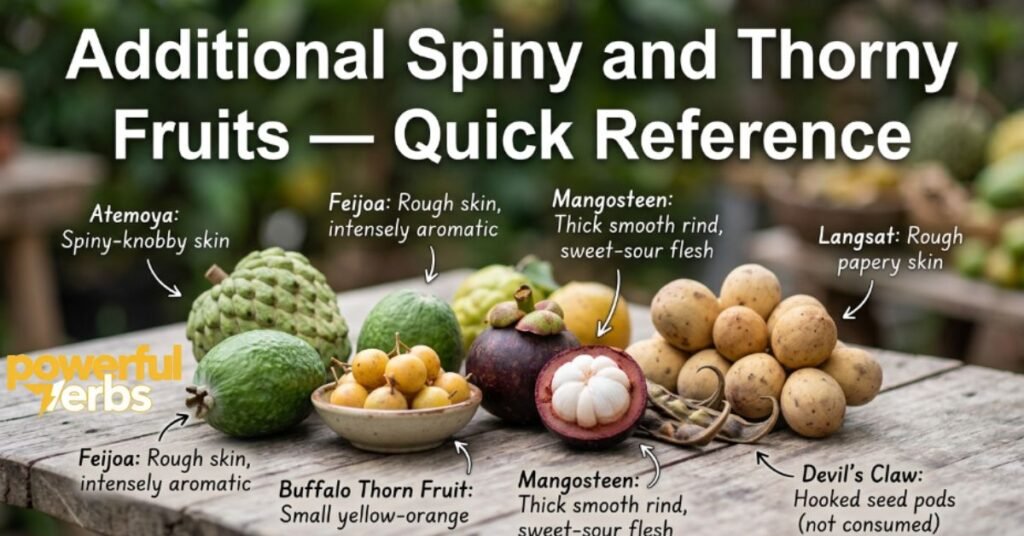
Additional Spiny and Thorny Fruits — Quick Reference
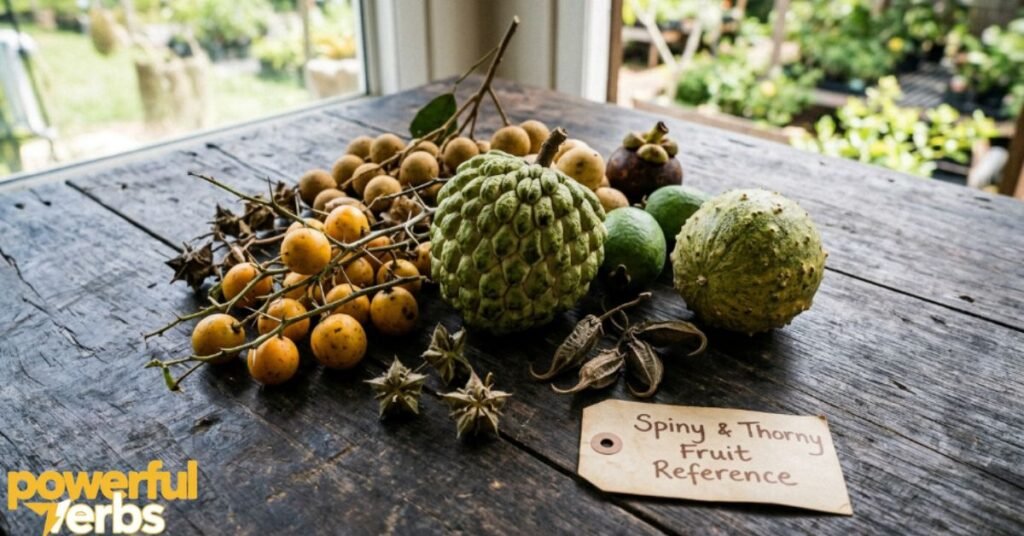
| Fruit Name | Region | Key Feature |
| Buffalo Thorn Fruit | Southern Africa | Small yellow-orange fruit on thorny shrubs; edible |
| Tribulus Fruit | Worldwide | Sharp spiky seed pods; not edible — disperses by attaching to skin |
| Devil’s Claw | Africa | Hooked seed pods used medicinally; not consumed |
| Bur Cucumber | Tropics | Small hooked spines; wild relative of cultivated cucumber |
| Longan | Southeast Asia | Slightly rough brown skin; sweet translucent flesh |
| Atemoya | Tropical Americas | Spiny-knobby green skin; creamy sweet flesh, Annona hybrid |
| Feijoa | South America | Rough skin; intensely aromatic guava-like flesh |
| Langsat | Southeast Asia | Rough papery skin; small sweet segments inside |
| Mangosteen | Southeast Asia | Thick smooth rind with minor bumps; extraordinary sweet-sour flesh |
| Wild Melon | Africa | Rough warty skin; bitter to mildly sweet pulp |
How to Handle Spiky Fruits Safely

Working with spiny fruits requires simple precautions that prevent injury:
Use thick gloves when handling durian, chestnut burrs, cactus fruits, or any fruit with genuinely sharp spines. Leather gardening gloves offer good protection.
Use tongs or a folded towel to grip cactus fruits before using a knife. Never brush prickly pear with bare hands — the invisible glochids cause persistent irritation.
Score along natural seam lines for durian. Forcing it open randomly risks injury. Follow the natural divisions visible on the exterior.
Freeze before handling some spiny chestnut burrs — freezing makes the husks more brittle and easier to crack without injury.
Identify before consuming any unfamiliar spiky fruit. Some toxic species (Datura, Castor bean) superficially resemble edible ones to untrained eyes.
Working with spiny fruits requires simple cooking verbs and precautions that prevent injury:
Nutritional Benefits of Spiky Fruits at a Glance
| Fruit | Key Nutrients | Primary Health Benefit |
| Durian | Vitamin B6, potassium, fiber | Energy, muscle function |
| Rambutan | Vitamin C, iron, copper | Immunity, blood health |
| Jackfruit | Vitamin B2, magnesium, potassium | Heart health, energy metabolism |
| Dragon Fruit | Vitamin C, magnesium, prebiotic fiber | Gut health, immunity |
| Soursop | Vitamin C, B vitamins, antioxidants | Immunity, inflammation |
| Sea Buckthorn | Vitamin C, omega-7, antioxidants | Skin health, cardiovascular |
| Kiwano | Vitamin C, iron, magnesium | Iron absorption, hydration |
| Prickly Pear | Fiber, magnesium, antioxidants | Blood sugar, digestion |
| Gac Fruit | Lycopene, beta-carotene, zeaxanthin | Eye health, cancer prevention research |
| Lychee | Vitamin C, potassium, B vitamins | Immunity, hydration |
Frequently Asked Questions About Spiky Fruits
What are the most well-known spiky fruits?
Durian, Rambutan, Jackfruit, Dragon Fruit, Soursop, Prickly Pear, Kiwano, and Lychee are the most widely recognized spiky or rough-skinned fruits globally.
What spiky fruits are green?
Durian, Jackfruit, Soursop, Marang, Cherimoya, Breadfruit, and Kiwano are all notable green spiky fruits. Green coloration in unripe fruits typically signals high chlorophyll content and incomplete ripening.
What are the red spiky fruits called?
Rambutan, Pulasan, Hawthorn (haw), Sea Buckthorn, Prickly Pear (red variety), Saguaro cactus fruit, and Hedgehog Fruit (Durio graveolens) are notable red spiky fruits.
What are small spiky fruits with names?
Small spiky fruits include Rambutan, Pulasan, Hawthorn berries, Sea Buckthorn berries, Sloe, Kei Apple, Desert Lime, and Prickly Pear. Most measure under 6 centimeters in diameter.
What are yellow spiky fruits?
Yellow varieties include Yellow Dragon Fruit, Kiwano (exterior), Cempedak, certain Durian varieties, Kei Apple, and ripe Jackfruit sections.
Which spiky fruits grow on cacti?
Dragon Fruit (Pitaya), Prickly Pear, Saguaro Cactus Fruit, Organ Pipe Cactus Fruit, Barrel Cactus Fruit, and Cholla Cactus Fruit all grow on cactus plants.
What is considered a prickly fruit?
A prickly fruit is any fruit covered in true thorns, prickles, or fine spines on its outer skin. This includes cactus fruits like prickly pear and dragon fruit, tropical varieties like rambutan and durian, and burr-covered fruits like sweet chestnut — essentially any red fruit with spikes or green fruit with spikes that developed a spiny exterior as a natural defense mechanism.
Are all spiky fruits edible?
No. Datura (Thorn Apple), Castor Bean, Tribulus, Devil’s Claw, and Horse Chestnut are not safe to consume. Always positively identify a spiky fruit before attempting to eat it.
Final Thoughts
Spiky fruits represent some of the most extraordinary and diverse foods nature has ever produced. From the legendary Durian of Southeast Asian rainforests to the survival-adapted cacti fruits of the Sonoran Desert, from the rarest Philippine Marang to the nutrient-dense Sea Buckthorn berries of the Himalayas — each of these fruits tells a story of evolution, adaptation, culture, and survival.
The next time you encounter an unfamiliar fruit covered in spines or bumps at a tropical market or specialty grocery, do not be intimidated. Use this guide to identify it, understand its flavor profile, and discover the unique nutritional benefits hidden beneath that protective exterior. The most extraordinary flavors in the fruit world often hide behind the sharpest defenses.

Liam Johnson is a dedicated language expert with 4 years of professional experience. He specializes in Grammar, Vocabulary, and Sentence structure.
